
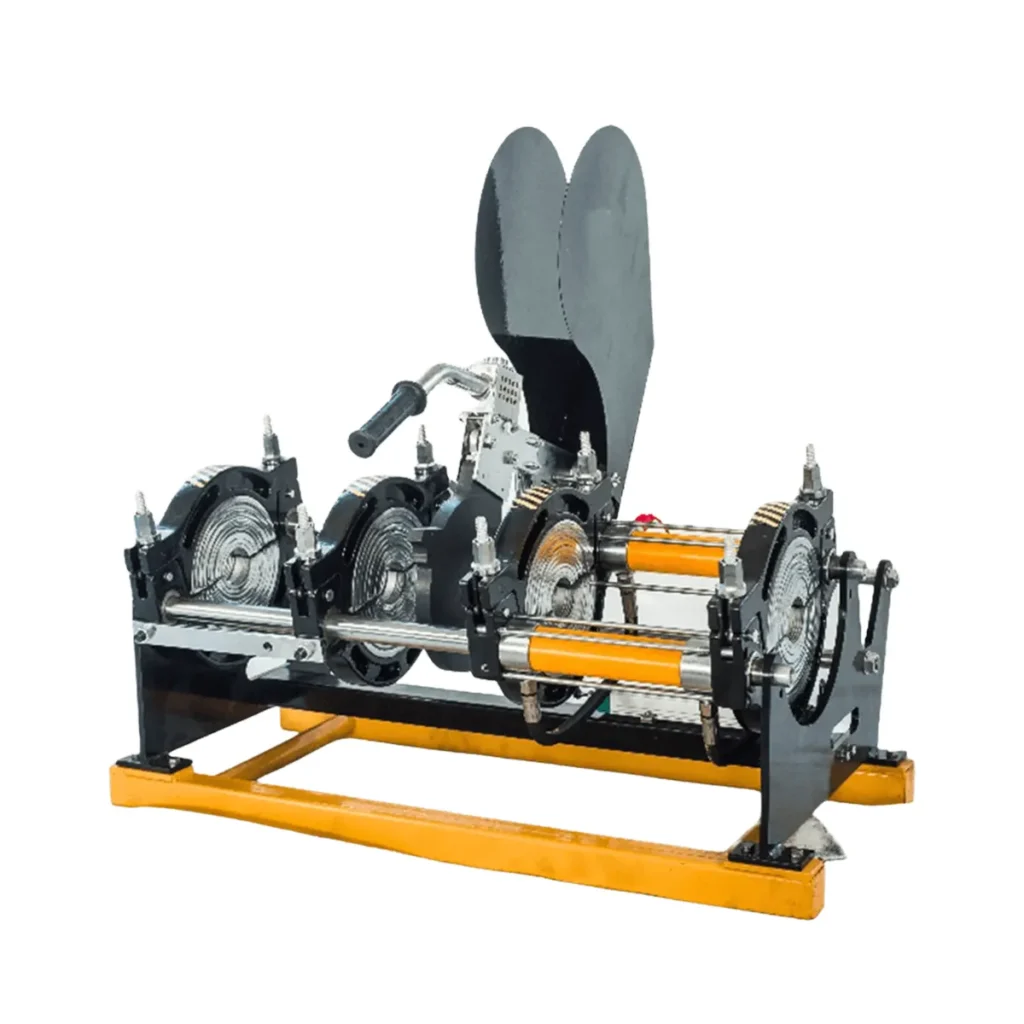
Brazil’s booming infrastructure projects—from municipal water networks in São Paulo to large-scale mining and gas distribution in Minas Gerais—require dependable HDPE pipe welding solutions. Selecting the best machine depends on pipe diameter, jobsite mobility, automation needs, and local service availability. This guide helps contractors, distributors, and project managers in Brazil choose the ideal HDPE pipe welding machine for their specific use cases.
Why the Right HDPE Welding Machine Matters in Brazil
Durability in tropical climates, easy maintenance for remote worksites, and compatibility with standard PE grades used across Brazilian water and gas networks are decisive factors. Machines that combine precision heating, accurate alignment and reliable control systems reduce rework and downtime—critical for tight project schedules and long pipeline runs.
Key local considerations
Power supply variations—choose equipment with flexible input options or stable generator compatibility. For construction in the Amazon or inland worksites, portability and quick setup are essential; for urban pipeline replacements, higher automation improves throughput.
Top Machine Types and When to Use Them
Automatic CNC Butt Fusion Machines
Best for long runs and high-volume work in municipal water or industrial projects. Automated heating and fusion cycles deliver consistent joints and higher daily output—ideal for large construction contractors working in cities like Rio de Janeiro and Brasília.
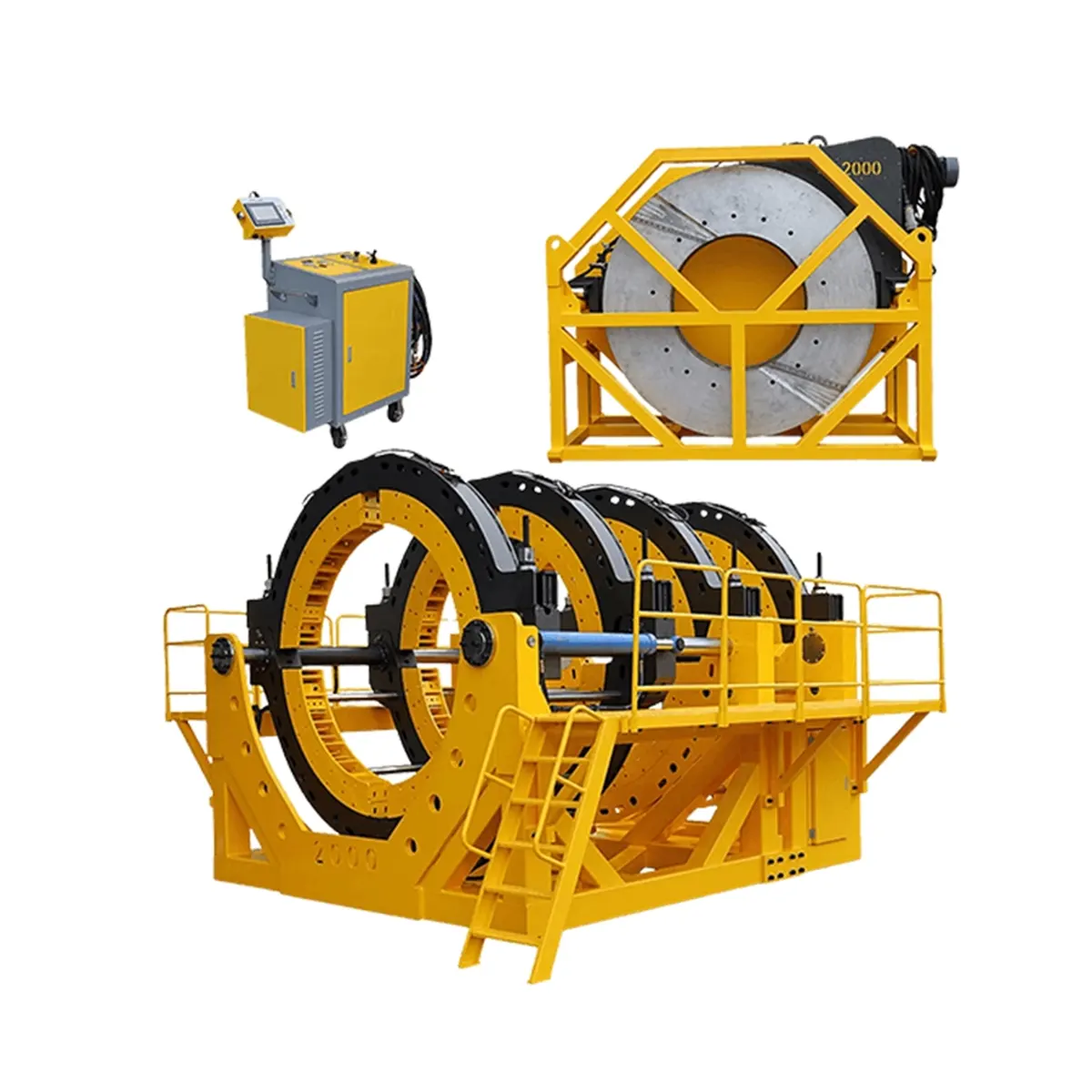
Hydraulic Large-Diameter Butt Fusion
Used for major water transfer, irrigation, or trunk gas pipelines. Hydraulic systems provide the clamping force required for diameters exceeding 500 mm and maintain alignment under heavy loads common in big-diameter installations.
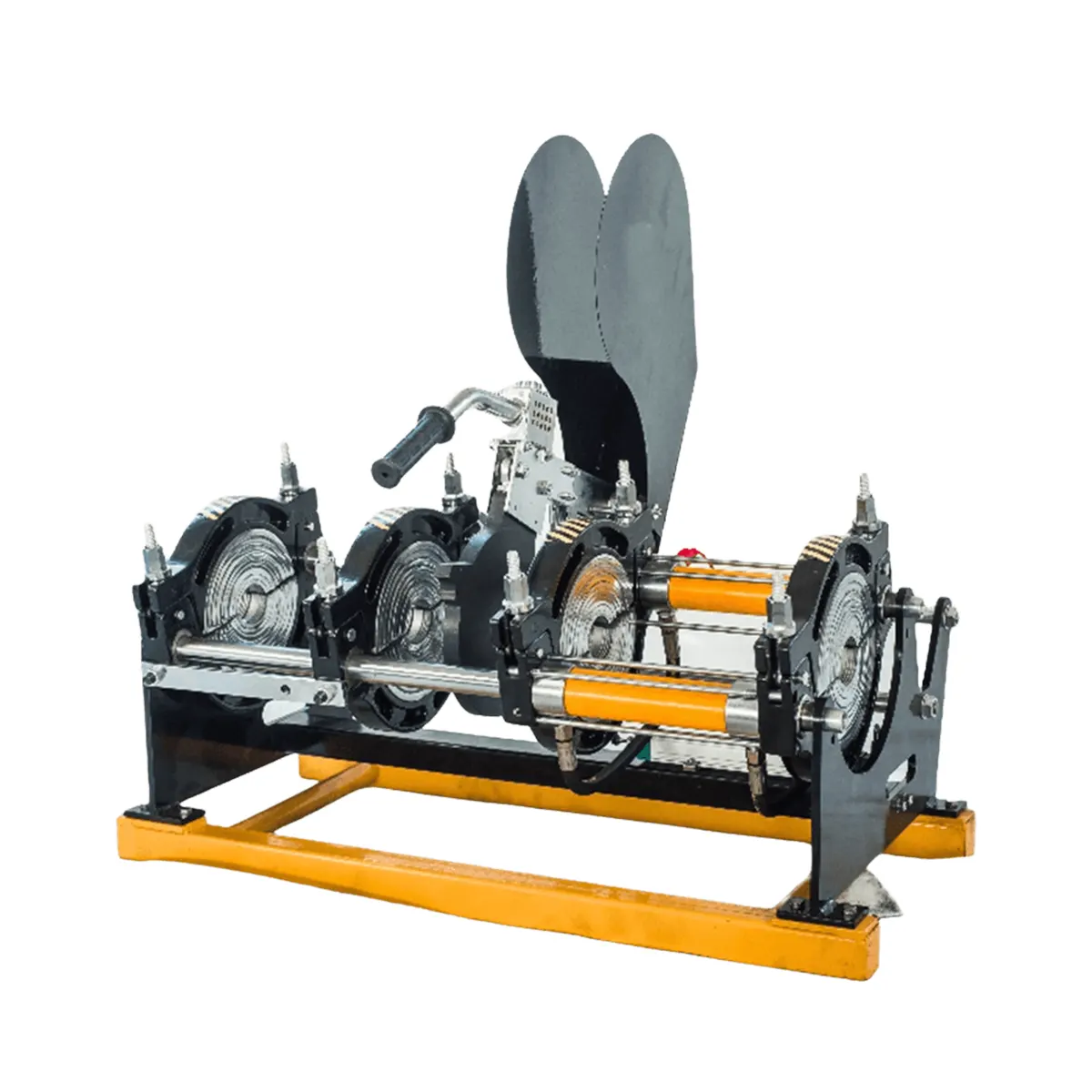
Manual & Portable Machines
Small contractors, repair crews, and remote-site teams benefit from lightweight manual units that are easy to transport and maintain. These are the go-to choice for rural installations and quick repairs across Brazil’s diverse terrains.
Feature Checklist: Pick a Machine with These Capabilities
When evaluating suppliers, prioritize machines that offer:
- Stable temperature control for consistent, regulation-compliant welds
- Accurate face preparation and trimming tools
- Clear control interface and weld logging for quality records
- Spare parts availability and local technical support
- Compatibility with PE80/PE100 commonly used in Brazil
Quick Comparison Table
| Model Type | Best For | Diameter Range | Automation |
|---|---|---|---|
| Automatic Butt Fusion | City pipelines, high-volume contractors | 63 mm – 630 mm | High (CNC control) |
| Hydraulic Butt Fusion | Large-diameter trunk pipelines | 250 mm – 2250 mm+ | Medium (hydraulic control) |
| Manual Portable Units | Rural repairs, small jobs | 20 mm – 160 mm | Low (operator-driven) |
| Multi-Angle Fitting Welders | Complex pipe fittings and prefabrication | 20 mm – 1600 mm (depending on model) | Medium to High |
Practical Tips for Brazilian Projects
Train operators to log weld parameters—this supports compliance with local standards and municipal inspections. For offshore or mining sites, confirm machine sealing and protect the heating plate from dust and humidity. Budget for consumables (trimmer blades, heaters) and ensure prompt spare-part shipping to avoid delays.
Selecting a supplier
Look for vendors that offer warranty, remote diagnostics, and fast parts delivery. For international procurement, confirm customs and logistics timelines to Brazil’s ports and inland regions.
Final Recommendation
Match the machine to your pipeline scale: choose automated butt fusion for urban and high-throughput work, hydraulic units for very large diameters, and manual sets for field repairs. For a starting point with a broad portfolio of manual, hydraulic and automatic butt fusion machines tailored to global infrastructure projects, consider contacting JQ-Fusion.



