
Belarus is investing steadily in resilient water, gas and agricultural networks, and reliable HDPE pipe welding equipment is increasingly essential for local contractors and municipal projects. This guide explains how modern butt fusion technology supports Belarusian infrastructure needs, machine types available, and practical tips for successful HDPE welding in the region.
Why HDPE Butt Fusion Works Well in Belarus
Butt fusion delivers leak-free, long-lasting joints that suit Belarus’s cold winters and seasonal ground movement. For municipal water networks, rural gasification and irrigation systems, thermoplastic fusion produces strong, corrosion-resistant connections that reduce maintenance costs over decades.
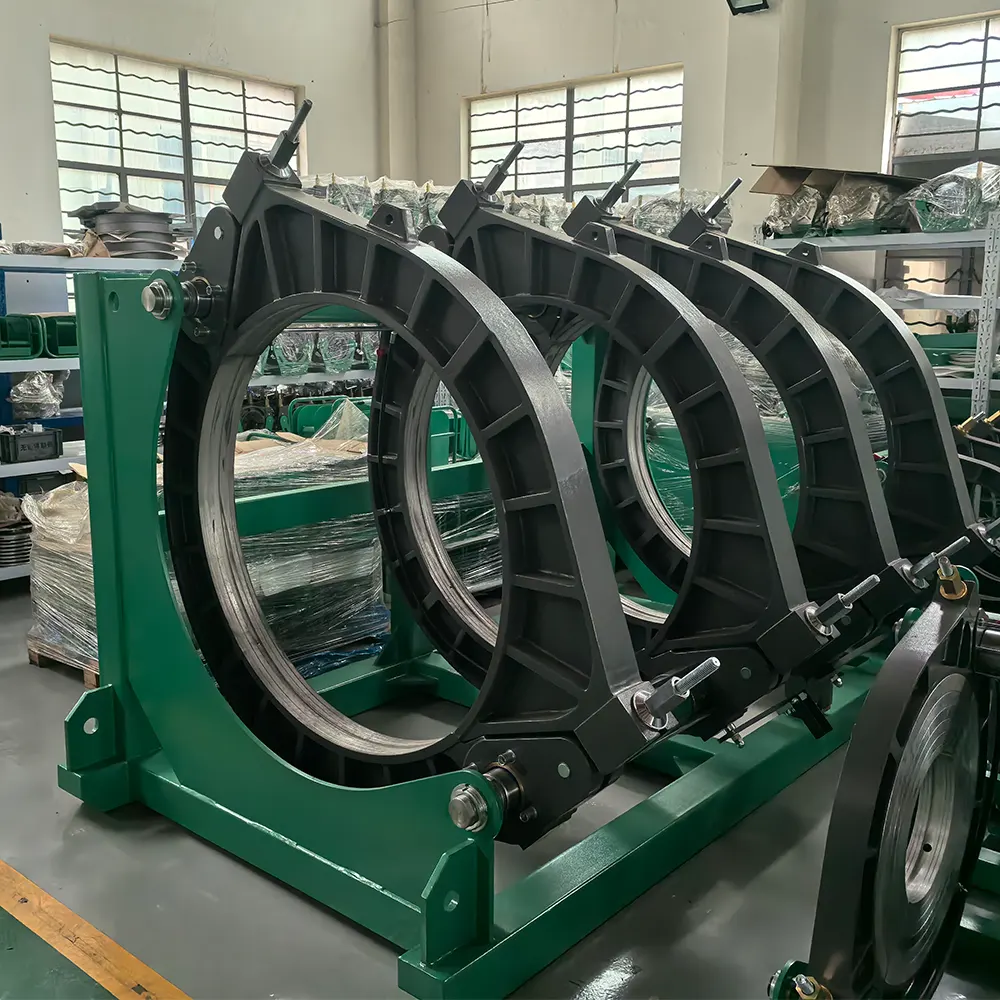
Key benefits for Belarusian projects
– Durable, flexible joints that tolerate freeze-thaw cycles and ground shifts.
– Rapid on-site welding that speeds up rural network roll-outs.
– Compatibility with standard PE100 and PE80 pipes used across Belarus.
Machine Types: Which Is Right for Your Job?
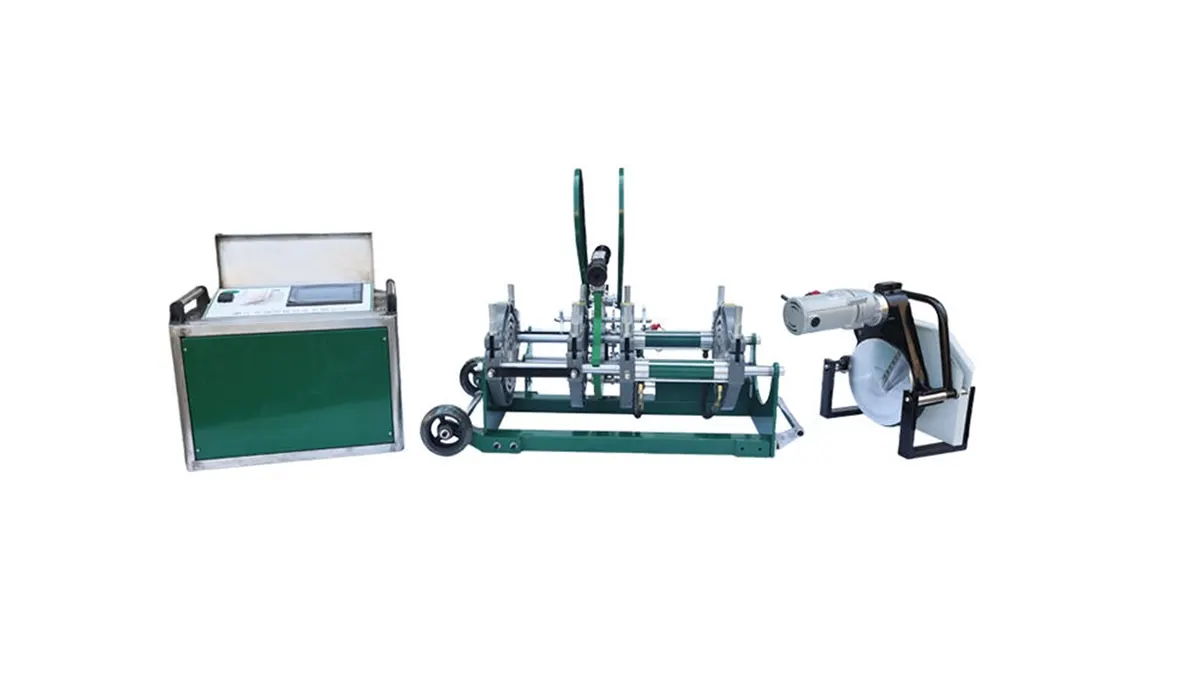
Manual butt fusion
Compact and cost-effective for small-diameter pipes and short runs. Ideal for local service crews and small contractors working on village water lines or repairs.
Hydraulic butt fusion
Offers greater clamping force and stability for medium to large diameters. Suited to municipal contractors and pipeline teams tackling city networks and mid-size industrial projects.
CNC automatic butt fusion
Automated control, repeatable cycles and digital logging make CNC machines the preferred option for large-scale or precision-critical projects such as trunk gas lines, industrial facilities and major water distribution works.
Top Features to Look For
Reliable heating plates with even temperature distribution, robust clamps or aluminum frames, and intuitive control units are essential. For Belarus, prioritize machines with strong cold-start performance, simple maintenance and durable finishing to withstand field conditions.
Safety and compliance
Choose equipment that supports welding procedures aligned with international and European standards. Proper training, accurate heating and pressure control, and documented weld logs improve quality and reduce rework.
Applications Across Belarus
Common uses include:
- Urban and rural water supply networks
- Gas distribution and village gasification projects
- Irrigation and agricultural piping systems
- Industrial pipelines in manufacturing and mining operations
Quick Comparison Table
| Machine Type | Pipe Range | Primary Benefit |
|---|---|---|
| Manual Butt Fusion | 20–315 mm | Portable, low cost |
| Hydraulic Butt Fusion | 160–1600 mm | Stable, higher capacity |
| CNC Automatic Fusion | 63–1600+ mm | Precision, data logging |
Practical Tips for Welding in Belarusian Conditions
Cold weather considerations
Preheat clamps and allow plates to reach steady temperature before joining. Insulate pipes and joints during cooling when ambient temperatures are low. Use appropriate heating cycles and follow validated welding procedures.
Training and local workforce
Invest in operator training and simple checklists to ensure consistent weld quality across crews. Local contractors often benefit from short, hands-on courses that cover machine setup, trimming and pressure monitoring.
After-Sales Support and Spare Parts
Reliable access to spare parts, technical support and online documentation reduces downtime on Belarusian projects. Consider suppliers with clear service pathways for timely parts delivery and remote troubleshooting.
JQ-Fusion provides a complete line of manual, hydraulic and CNC butt fusion welding machines designed for global infrastructure projects. Visit https://jq-fusionwelding.com/ for product details and contact options.



