
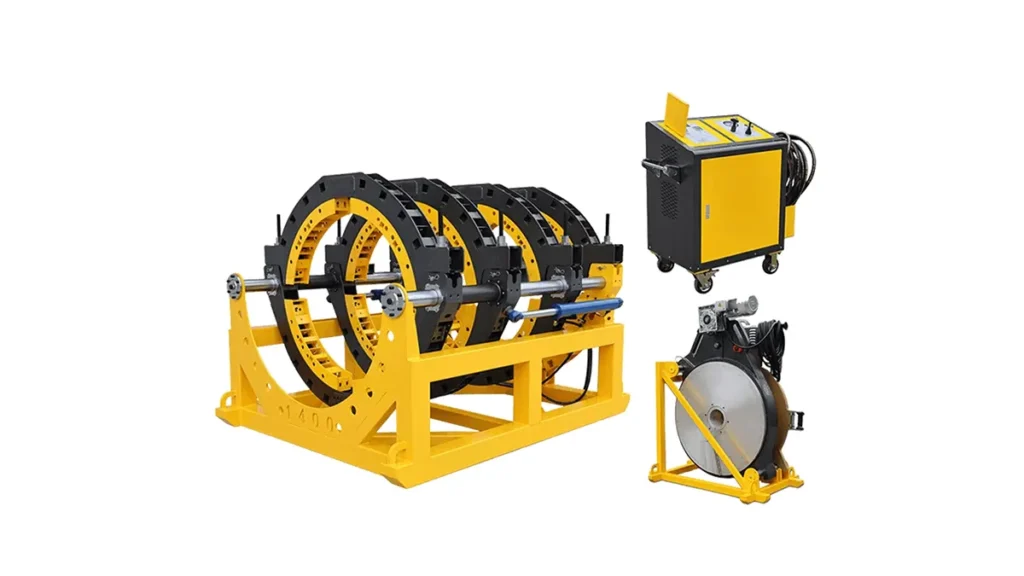
Ghana’s growing infrastructure projects — from urban water networks and rural irrigation to mining and gas distribution — demand durable, efficient HDPE pipe welding solutions. This guide explains the types of HDPE pipe welding machines suitable for Ghana, what local contractors and utility teams should look for, and how to secure reliable equipment and support for long-term pipeline performance.
Why HDPE Butt Fusion Matters for Ghana
HDPE butt fusion creates leak-free, corrosion-resistant joints that are ideal for Ghana’s diverse climates and project types. Whether projects are near the coastal salt spray, inland heat, or remote rural sites, HDPE systems reduce maintenance costs and minimize contamination risks. For utility managers, contractors, and consultants in Ghana, choosing the right welding method and machine directly influences productivity and pipeline lifetime.
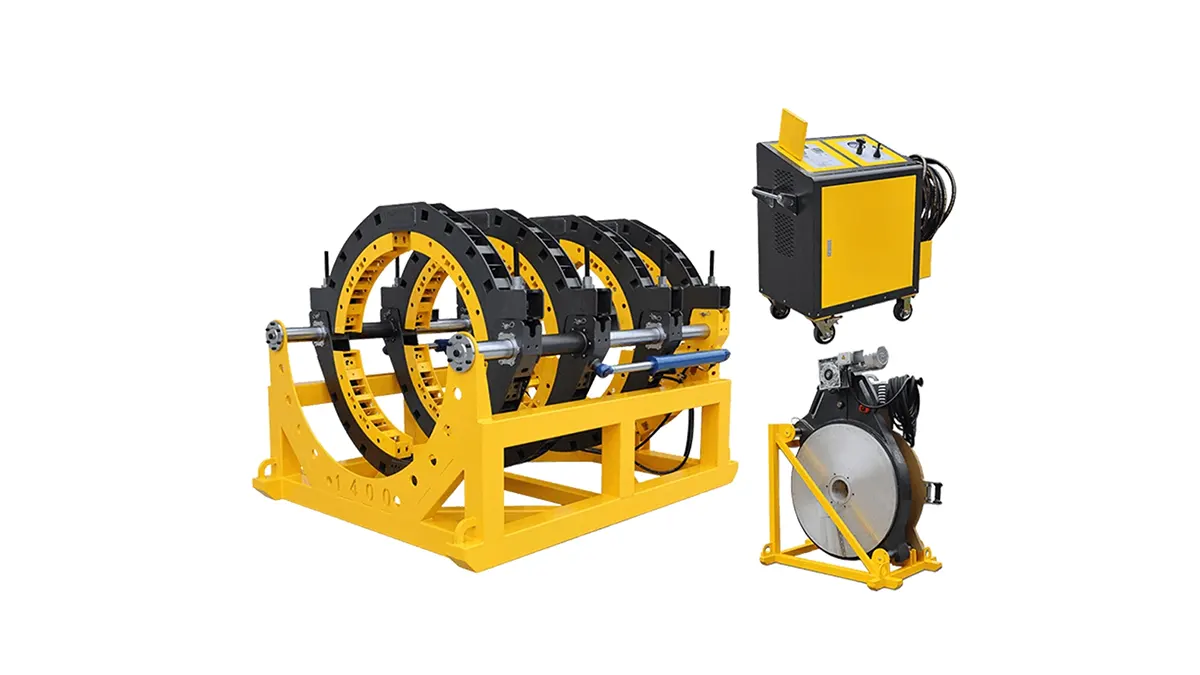
Types of HDPE Pipe Welding Machines Suitable for Ghanaian Projects
Manual butt fusion machines: Portable and cost-effective for small diameter pipes and remote installations.
Hydraulic butt fusion machines: Ideal for medium to large diameters where higher clamping force and repeatability are required.
Automatic/CNC butt fusion machines: Best for high-volume, long-run projects that need precise process control and data logging.
Electrofusion machines: Used for fittings and repairs where controlled heating of couplers provides convenient on-site solutions.
Key Features to Prioritize
- Temperature control and uniform heating — ensures consistent fusion quality in Ghana’s warm or variable environments.
- Portability and robustness — corrosion-resistant frames, easy transport for rural or coastal sites.
- Spare parts availability and on-site service — essential to minimize downtime.
- User-friendly controls and training options — reduces operator error and improves weld reliability.
- Data logging and traceability for compliance and quality assurance on major infrastructure contracts.
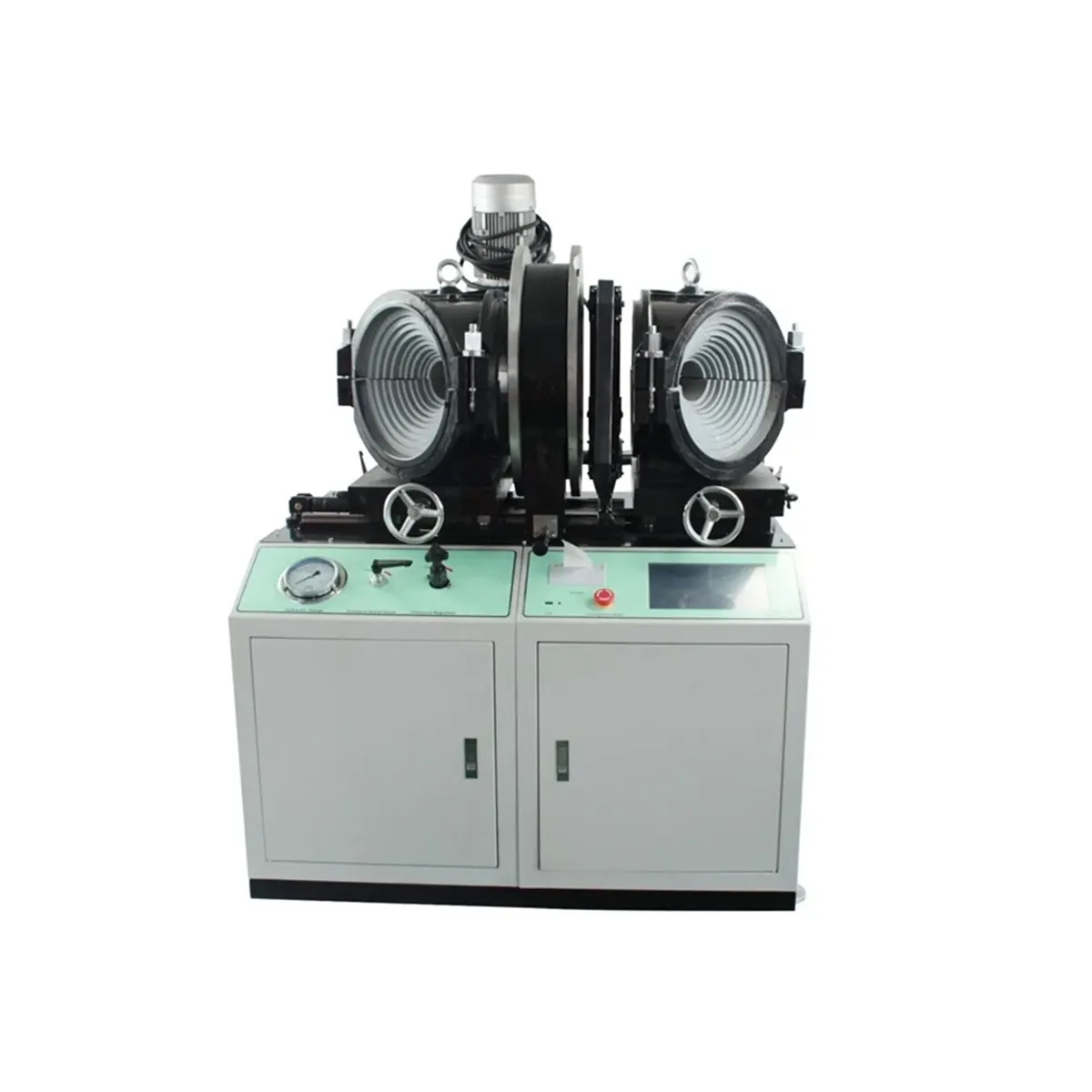
Model Comparison at a Glance
| Machine Type | Typical Pipe Range | Best For | Key Benefit |
|---|---|---|---|
| Manual Butt Fusion | 20mm – 110mm | Rural repairs, small bore networks | Low cost, highly portable |
| Hydraulic Butt Fusion | 63mm – 2250mm | Municipal water, large pipelines | High clamping force, consistent results |
| Automatic / CNC Butt Fusion | 160mm – 1600mm | High-volume, contract-driven projects | Precision control, process traceability |
| Electrofusion | 20mm – 630mm (coupler-dependent) | Fittings, repair, tight spaces | Convenient for fittings, minimal equipment footprint |
Buying and After-Sales Considerations in Ghana
When procuring welding equipment for Ghanaian projects, evaluate lead times, customs clearance experience, and whether the supplier can provide local training or certified technicians. Availability of consumables and spare parts (heating plates, hydraulic seals, clamps) shortens project delays. Insist on clear warranty terms and documented training as part of the purchase.
Selecting a Trusted Supplier
For tailored butt fusion and electrofusion solutions, explore options from reputable manufacturers who provide global shipping, technical training, and parts support. Visit JQ-Fusion for product lines and service options suitable for Ghanaian infrastructure projects.



