
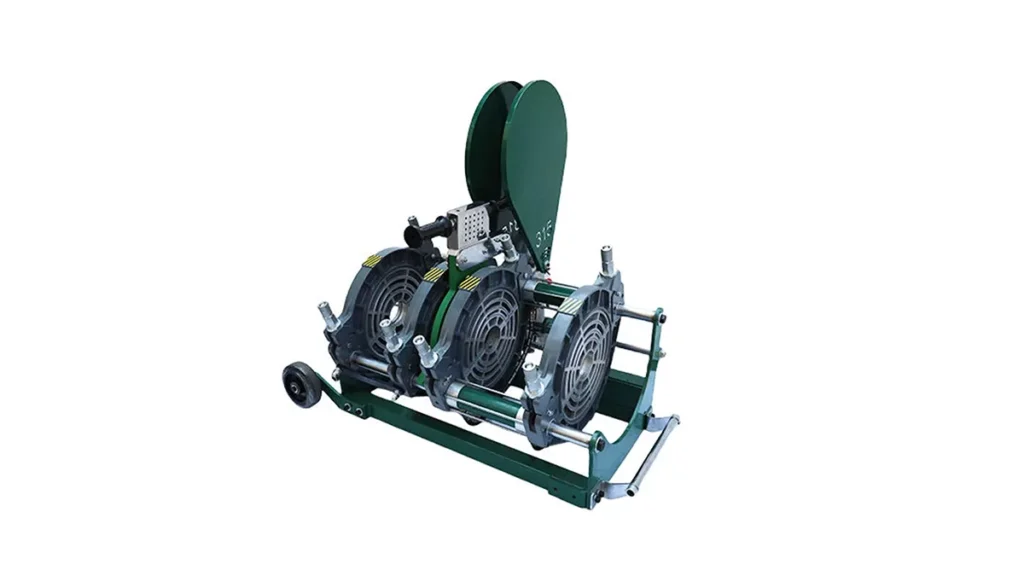
South Africa’s expanding gas distribution networks, mining operations, and industrial projects demand reliable, high-quality welding equipment for HDPE gas pipelines. Contractors and municipal teams need welding machines that combine portability, precision, and compliance with local standards to ensure safe, leak-free gas line joints across urban and remote sites.
Why HDPE Butt Fusion Matters for Gas Distribution
Butt fusion welding creates homogeneous, leak-resistant joints that are ideal for PE gas mains and service lines. For South African conditions — from coastal humidity to inland mining sites — butt fusion delivers chemical resistance, long-term durability, and minimal maintenance compared with mechanical fittings. The method supports a wide range of pipe diameters and is widely accepted by utilities and regulatory bodies.
Types of Welders Suitable for South African Projects
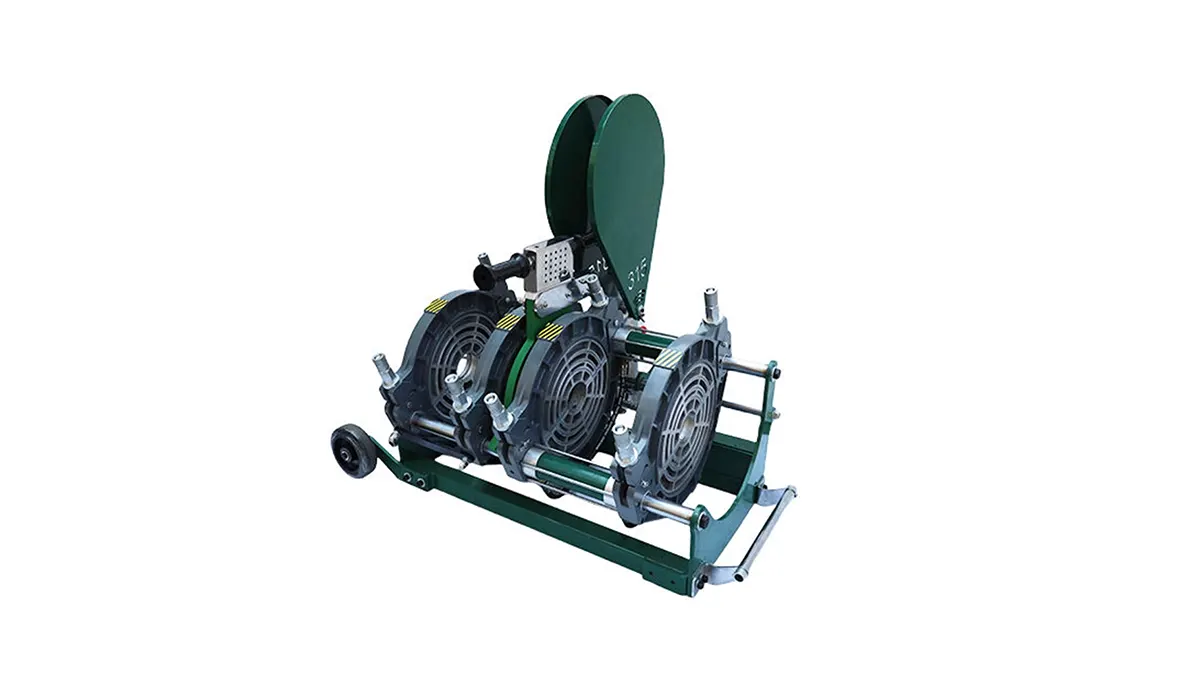
Projects in South Africa commonly require a mix of machine types: compact manual units for service connections, hydraulic machines for medium pipelines, and CNC automatic butt fusion machines for large trunk mains. Multi-angle fitting welders and electrofusion units are essential for specialized fittings and repair work. Selecting the right type depends on pipe diameter, project scale, and site accessibility.
| Machine Type | Typical Range (mm) | Best Use |
|---|---|---|
| Manual Butt Fusion | 20–160 | Service lines, small repairs |
| Hydraulic Butt Fusion | 160–1200 | Medium to large distribution mains |
| CNC Automatic Butt Fusion | 315–1600+ | Long runs, high-precision trunk pipelines |
| Electrofusion | 20–630 | Fittings, in-field repairs, constrained spaces |
Benefits for South African Sectors
From municipal distribution networks in Cape Town and Johannesburg to regional mining pipelines in the Northern Cape and Mpumalanga, reliable welding equipment reduces downtime and improves safety. Key benefits include improved joint integrity in corrosive and abrasive environments, faster installation for large infrastructure projects, and lower lifecycle costs for gas utilities and private contractors.
Quality, Support and Compliance
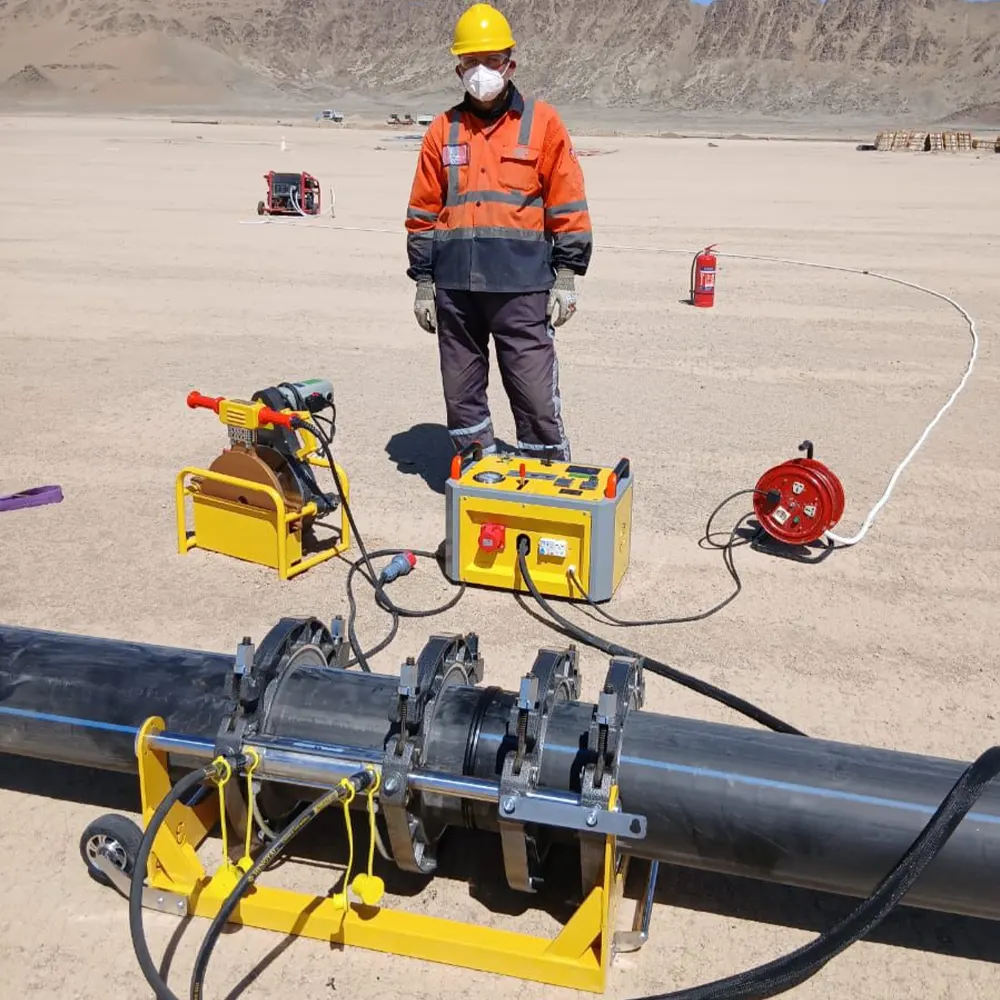
Manufacturers that provide robust machines, local spare parts availability, and operator training help South African teams meet regulatory expectations and achieve consistent weld quality. JQ-Fusion emphasizes durable components, calibration support, and after-sales service tailored to contractors and utilities operating across diverse South African terrains.
How to Choose the Right Gas Line Welder
Consider pipe diameter, production rate, site mobility, and automation level. For municipal projects, prioritize machines with clear weld logging and QA features; for mining and industrial use, select heavy-duty hydraulic systems with easy maintenance. Also verify compliance with local codes and industry best practices to ensure safe gas delivery.
| Checklist | Recommendation |
|---|---|
| Pipe Diameter | Match machine range to largest pipe on project |
| Automation | Automatic for trunk mains; manual for service work |
| Portability | Choose lighter frames for urban/remote access |
| Support & Training | Onsite commissioning and operator training recommended |
If your next gas pipeline project in South Africa requires dependable HDPE welding solutions, evaluate machine capability against project scale, site conditions, and compliance needs to secure safe, long-lasting gas infrastructure.



