
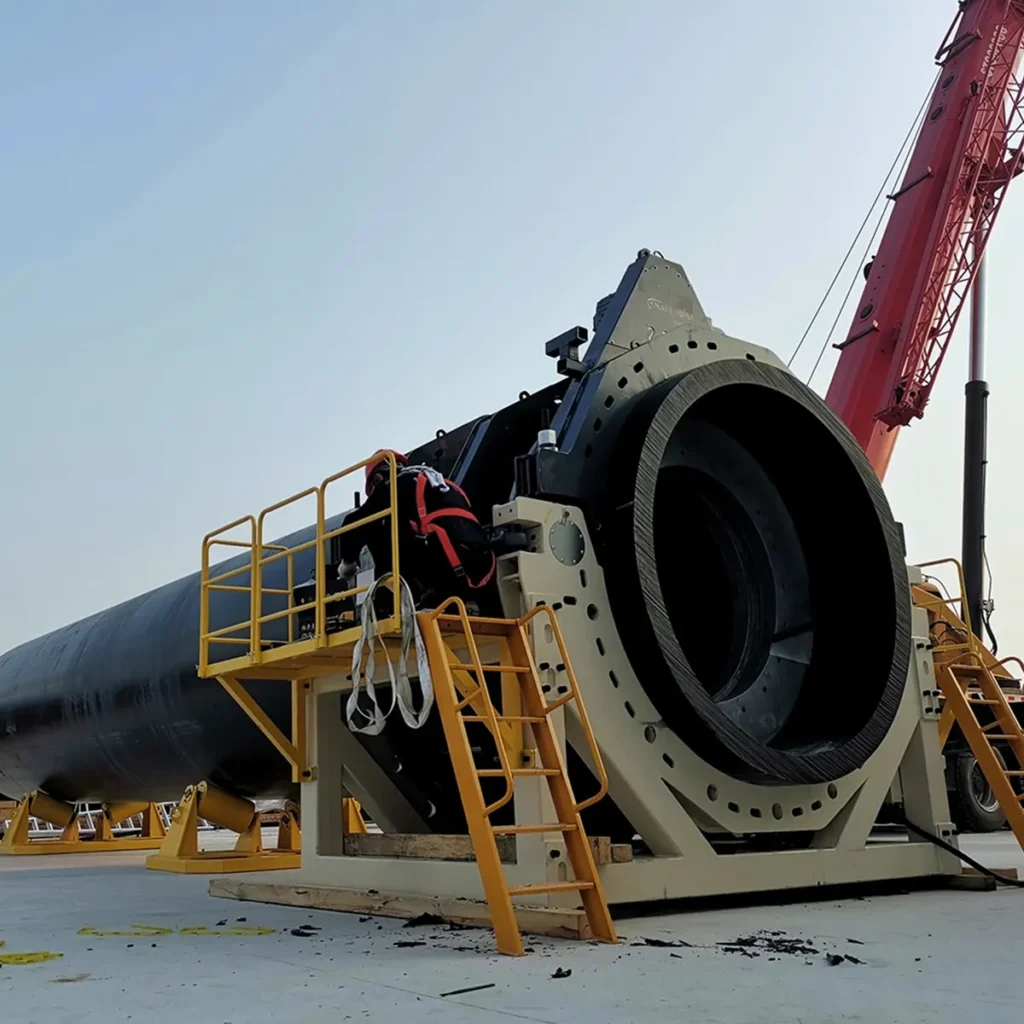
Vietnam’s expanding infrastructure and booming urban development demand reliable pipe welding solutions for water, gas and industrial projects. Butt fusion welding for HDPE pipes is the preferred method for long-lasting, leak-free joints across municipal networks, offshore facilities, and rural distribution lines. This guide helps contractors, engineers, and procurement teams in Vietnam choose the best butt fusion equipment for local conditions and project needs.
Why Butt Fusion Matters for Vietnam Projects
HDPE piping systems are widely adopted across Vietnam because of their corrosion resistance, flexibility in seismic zones, and low lifecycle cost. Butt fusion welding produces homogeneous joints that match the strength and durability of the pipe material — essential for coastal, tropical and high-UV environments found across Vietnam. Local contractors benefit from fusion methods that minimize downtime, reduce leak risk, and support rapid network expansion.
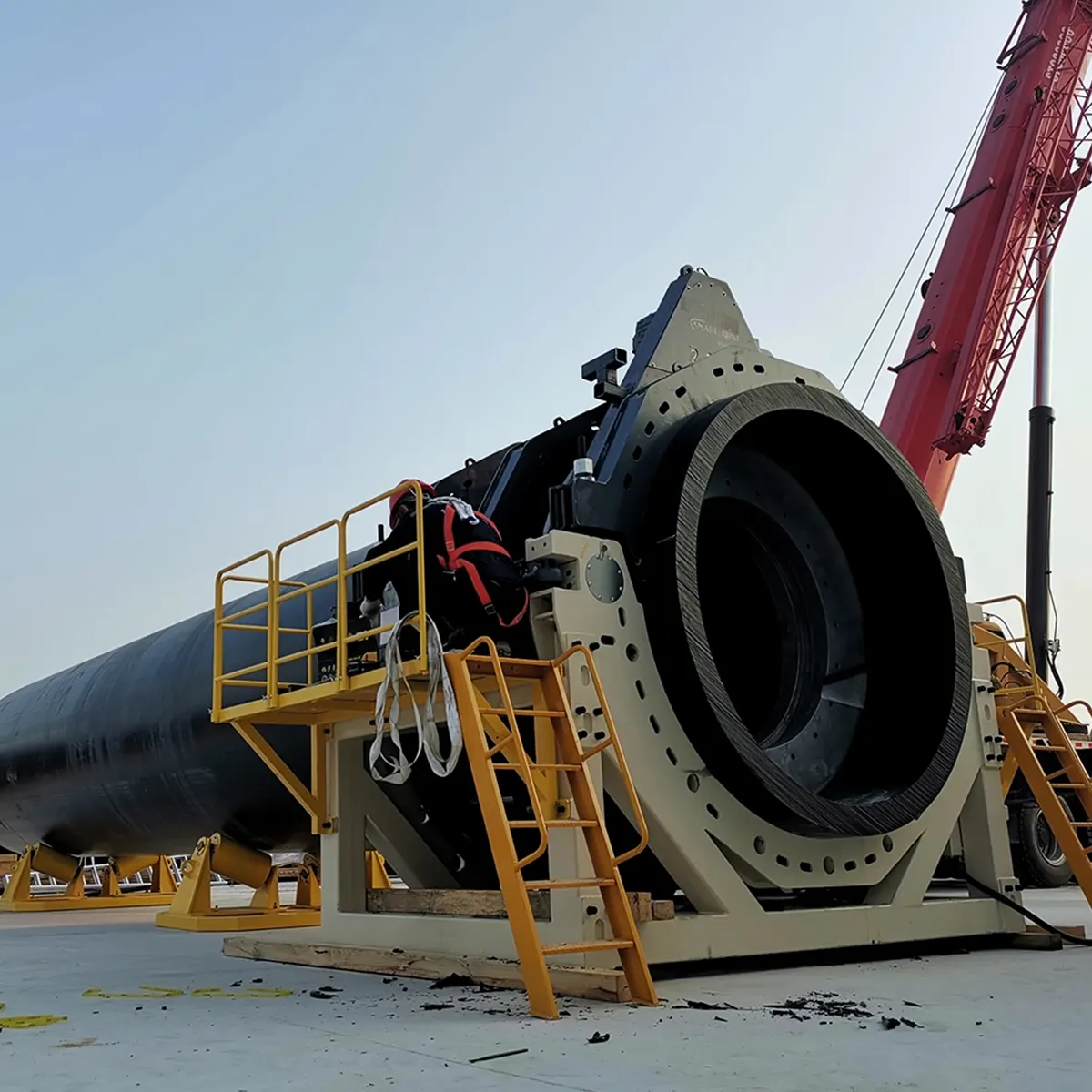
Common Applications in Vietnam
Across cities and provinces, butt fusion is used for:
-
Municipal water mains and distribution networks
-
Gas distribution lines and LPG infrastructure
-
Agricultural irrigation and drainage systems
-
Mining and industrial process pipelines
-
Coastal and wastewater projects where corrosion resistance is critical
Types of Butt Fusion Machines & What Works Best
| Machine Type | Pipe Range | Best For | Key Benefit |
|---|---|---|---|
|
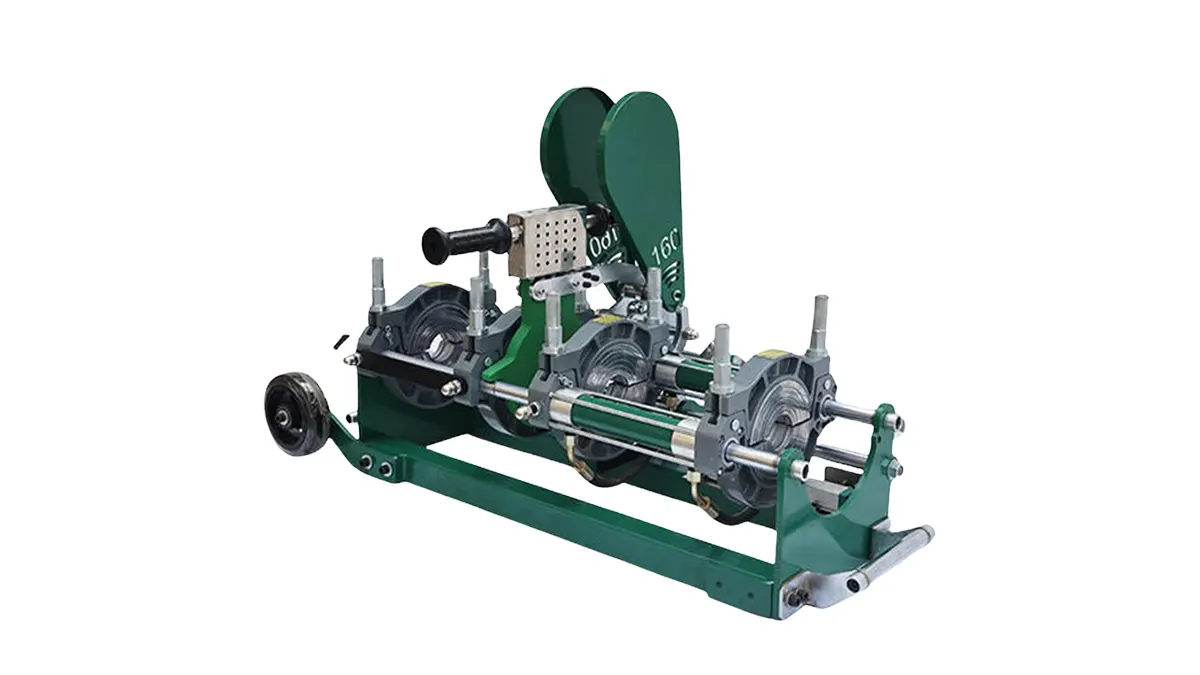
Manual Butt Fusion |
20mm–315mm |
Small crews, rural work |
Portable and cost-effective |
|
Hydraulic Butt Fusion |
63mm–2250mm |
Medium to large pipelines |
Stable pressure control, robust for field use |
|
Automatic / CNC Butt Fusion |
63mm–1600mm+ |
High-volume, precision-required projects |
Consistent welds, data logging, higher productivity |
How to Choose a Butt Fusion Supplier in Vietnam
Selecting the right supplier affects quality, uptime, and total project cost. Look for:
-
Machine reliability under Vietnam’s climate — corrosion-resistant components and sealed electrical parts.
-
Local support and spare parts availability to minimize downtime across provinces.
-
Training and documentation in English and Vietnamese for on-site teams and technicians.
-
Flexible product range: manual to large-diameter hydraulic and CNC automatic systems for phased growth.
-
Compliance with international welding standards and clear quality control records.
Operation, Training & Maintenance Tips for Vietnamese Projects
To extend equipment life and ensure consistent weld quality, implement a simple maintenance and training plan:
-
Routine inspection of heating plates and clamps after each shift.
-
Scheduled calibration of pressure and temperature controls.
-
Operator training focused on alignment, facing, and fusion cycles — emphasize safety in hot, humid conditions.
-
Stock essential spare parts like fuses, thermocouples, and heater plates for remote sites.
Cost vs. Value: What Vietnamese Buyers Should Consider
Initial purchase cost is important, but prioritize long-term value: machine uptime, warranty terms, and service response times directly affect project schedules and budgets. For large infrastructure tenders in Vietnam, documented weld traceability and automated weld logs can provide a competitive edge during project acceptance.
Partnering with a Global Manufacturer
If you’re evaluating manufacturers, choose one with a proven lineup of manual, hydraulic, and CNC automatic butt fusion machines that serve water supply, gas distribution, mining and industrial pipelines. For example, JQ-Fusion offers a broad range of HDPE welding equipment designed for global projects and can support Vietnam contractors with reliable butt fusion solutions.
Next steps: assess your typical pipe diameters, crew size, and site access; request equipment specs and local support plans before purchase to ensure optimal performance on Vietnam projects.



