
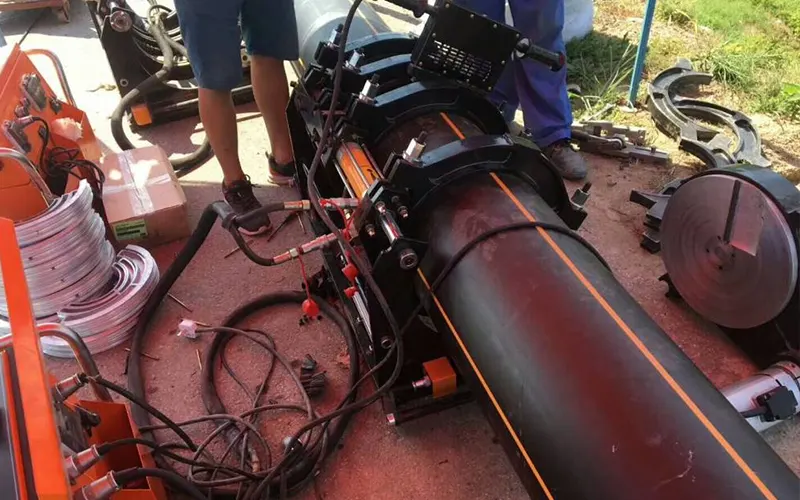
In Mexico’s growing infrastructure landscape—from municipal water distribution in Guadalajara to gas networks feeding industrial hubs in Monterrey—reliable pipe joining solutions are essential. HDPE welding equipment enables leak-free, long-lasting connections for water, gas, mining, and irrigation systems, reducing maintenance costs and downtime on projects across urban and rural regions.
Why Choose HDPE Butt Fusion for Mexican Projects
Butt fusion welding is the industry-preferred method for joining HDPE pipes due to its consistent joint strength, resistance to corrosion, and suitability for long runs in harsh environments. For Mexico’s climate and diverse terrain, butt fusion offers durability in both coastal humidity and highland temperature swings.

Types of Welding Equipment for Local Contractors
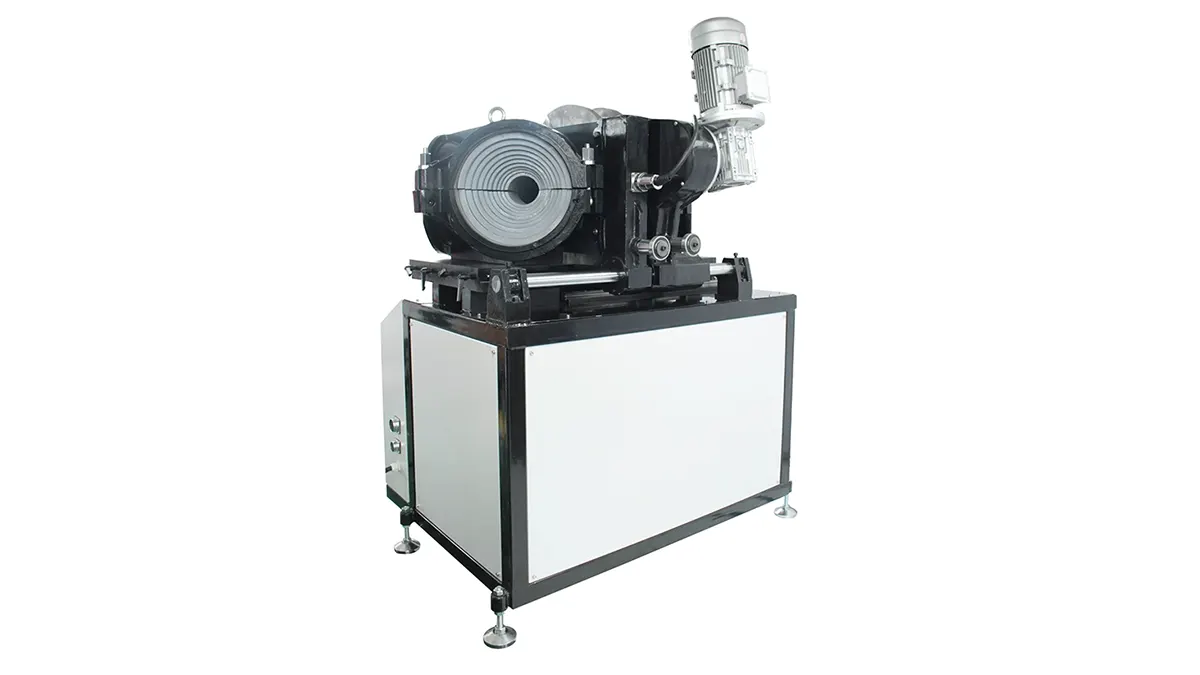
Modern HDPE welding equipment supports different project scales and site conditions. Options include manual frames for small-diameter repairs, hydraulic machines for standard field pipelines, and CNC automatic systems for high-volume prefabrication shops. Choosing the right machine balances portability, cycle speed, and weld repeatability.
Typical Use Cases in Mexico
– Urban water mains and distribution networks
– Natural gas and LPG distribution lines
– Agricultural irrigation systems in states like Sinaloa and Jalisco
– Mining tailings and slurry pipelines in Chihuahua and Sonora
Quick Comparison — Common HDPE Fusion Options
| Model Category | Pipe Range (mm) | Operation | Best For |
|---|---|---|---|
| Manual Butt Fusion Frame | 20 – 160 | Hand-operated | Small repairs & rural sites |
| Hydraulic Butt Fusion Machine | 160 – 1000+ | Hydraulic control | Construction & municipal works |
| Automatic / CNC Butt Fusion | 63 – 1600+ | Programmable automated cycles | Large-diameter prefabrication |
Benefits for Mexican Operators and Project Managers
Investing in professional-grade welding equipment delivers measurable advantages: reduced leak incidents, faster installation times on long pipelines, and compatibility with local standards for potable water and gas. Portable hydraulic units are ideal for remote construction sites, while automatic machines increase throughput for manufacturers of pipeline sections.
Service, Parts and Training
Reliable after-sales support is critical. Look for suppliers that provide spare parts, on-site commissioning, and operator training tailored to field conditions in Mexico—especially for operators who need to perform weld inspections and follow national pipeline safety protocols.
Procurement Tips for Buyers in Mexico
– Verify machine capacity matches the pipe diameters used on your projects.
– Confirm availability of replacement heating plates and hydraulic components.
– Prioritize units with clear documentation and multilingual user interfaces when hiring multinational crews.
– Consider containerized shipments and customs timelines for Mexican ports.
Trusted Manufacturer Reference
Learn more from JQ-Fusion about machines that match Mexican infrastructure needs—ranging from manual to CNC automatic butt fusion systems designed for water, gas, mining and industrial pipelines.
Next Steps for Project Planning
Start by auditing your typical pipe sizes, expected daily weld counts, and the logistical constraints of your sites. Request technical sheets and welding procedure specifications (WPS) to ensure compliance and to plan operator training. A well-chosen fusion machine delivers safer, more efficient pipeline installations across Mexico’s diverse regions.



