
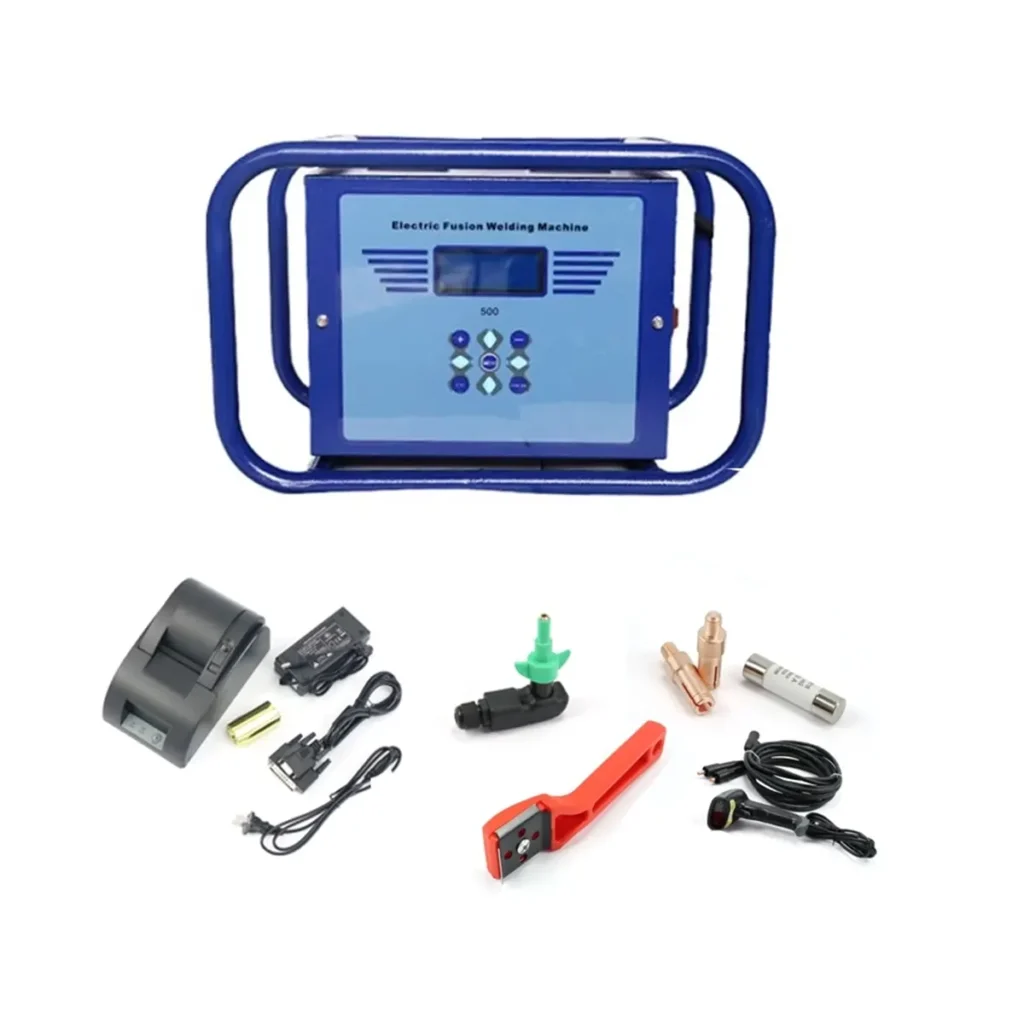
HDPE electrofusion welding machines are transforming how contractors and utilities perform pipe fusion for water, gas, and industrial systems. This guide explains why choosing the right electrofusion equipment matters, outlines core features, and offers practical tips for selecting and maintaining reliable machinery for long-term pipeline performance. JQ-Fusion
Why Electrofusion Is the Smart Choice for HDPE Piping
Electrofusion provides consistent, leak-resistant joints by heating embedded coils in fittings to fuse pipe and fitting material together. Compared to mechanical couplers or adhesives, electrofusion offers improved durability, faster installation on-site, and reduced long-term maintenance costs. For modern infrastructure projects that demand reliability, electrofusion is a preferred method.
Key Benefits
Consistent quality: Automated voltage and time control deliver repeatable welds. Safety and cleanliness: No open flames and minimal on-site waste. Compatibility: Works with a wide range of fitting types and diameters for flexible deployment.
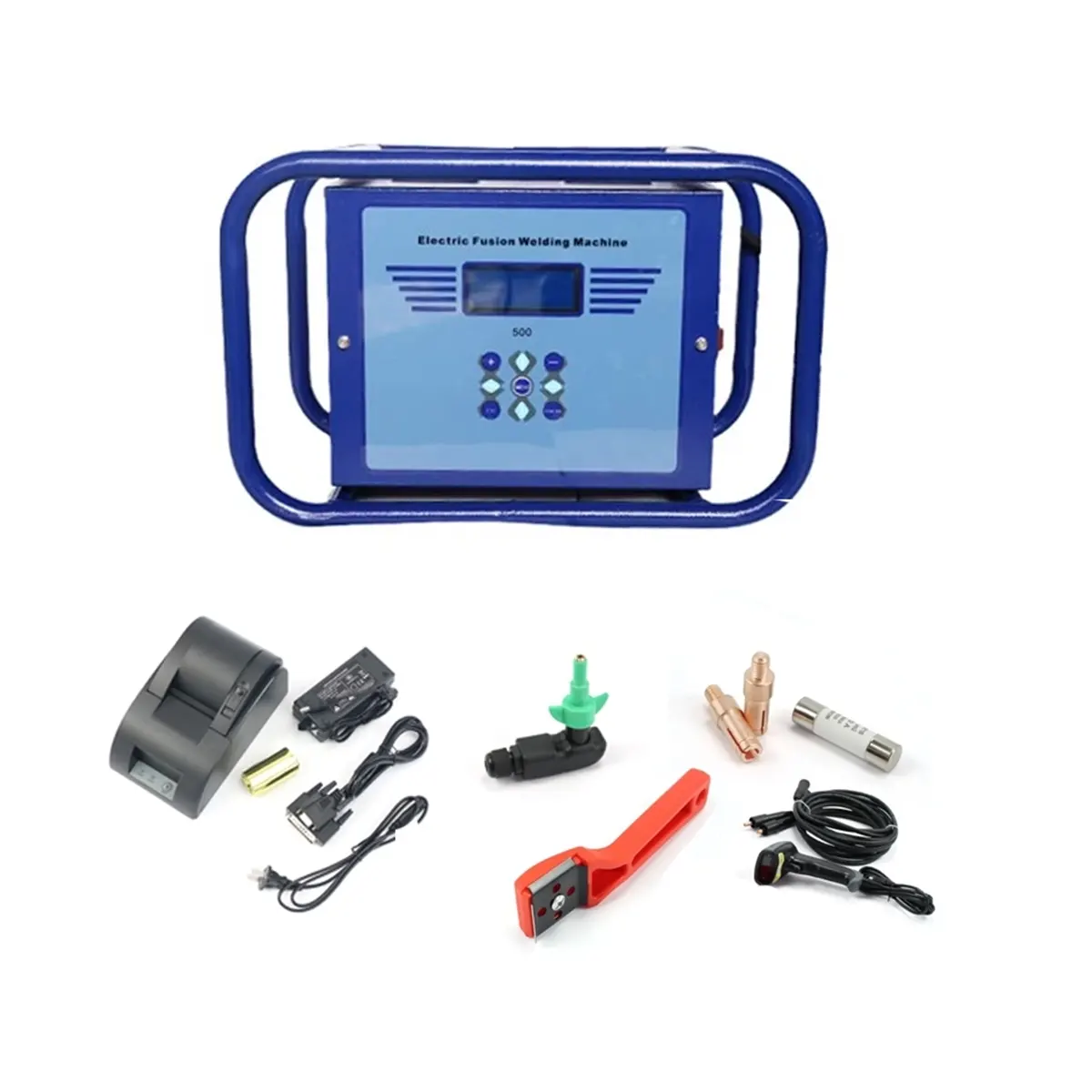
Core Features to Look For in an Electrofusion Welding Machine
When evaluating equipment, focus on control accuracy, user interface, safety protections, and portability. Modern electrofusion welders combine digital control systems with durable hardware to support field and factory environments.
Essential Feature Checklist
– Precise voltage/current regulation and built-in timers for validated weld cycles.
– LCD or touchscreen interface with stored welding programs.
– Overcurrent and thermal protection for operator safety.
– Battery and mains power options for remote sites.
– Lightweight frames or trolley systems for easy transport.
Comparison: Typical Electrofusion Machine Models
| Model Type | Typical Pipe Range | Key Advantage |
|---|---|---|
| Portable Electrofusion Unit | 20–160 mm | Best for service repairs and small-diameter installations |
| Midsize Field Welder | 160–630 mm | Balanced mobility with advanced control functions |
| High-Capacity Stationary Unit | 630 mm and above | Optimized for factory or large pipeline projects |
Applications Where Electrofusion Excels
Electrofusion welders are widely used across sectors where joint integrity is critical:
- Municipal water distribution and sewer lines
- Gas distribution networks requiring certified leak-tight joints
- Mining and slurry pipelines exposed to harsh conditions
- Industrial process piping where chemical resistance and reliability are essential

Installation Best Practices for Durable Joints
To ensure each weld meets performance expectations, follow these best practices:
Preparation
Clean pipe surfaces, remove oxidized layers with a scraper, and verify fitting compatibility. Ambient conditions (temperature and humidity) can influence cycle settings — always adjust per manufacturer recommendations.
Execution
Use the correct program for coil resistance and fitting type, monitor the cycle, and avoid disturbing the joint during cooling. Document each weld with time, operator, and machine ID for traceability.
Maintenance, Calibration, and Certification
Routine maintenance—clean connectors, check leads, and verify battery health—keeps equipment reliable. Periodic calibration of output and diagnostics ensures welding parameters remain accurate. For regulated projects, ensure welders and operators meet local certification and documentation requirements.
Selecting the Right Supplier
Choose a manufacturer or supplier that offers robust after-sales support, replacement parts, and clear training resources. Look for evidence of quality control in production and positive field references from similar projects.
Getting Started: Practical Buying Tips
Match the machine’s capacity to your typical project diameter range, prioritize units with user-friendly interfaces, and confirm compatibility with your preferred fittings. Consider total cost of ownership — initial price, spare parts availability, and technical support all influence long-term value.
Final Thought
Electrofusion technology provides a dependable path to high-quality HDPE pipeline systems. By choosing the right equipment and following standardized procedures, teams can deliver leak-resistant, durable joints that reduce risk and lower maintenance costs over the life of the pipeline.



