
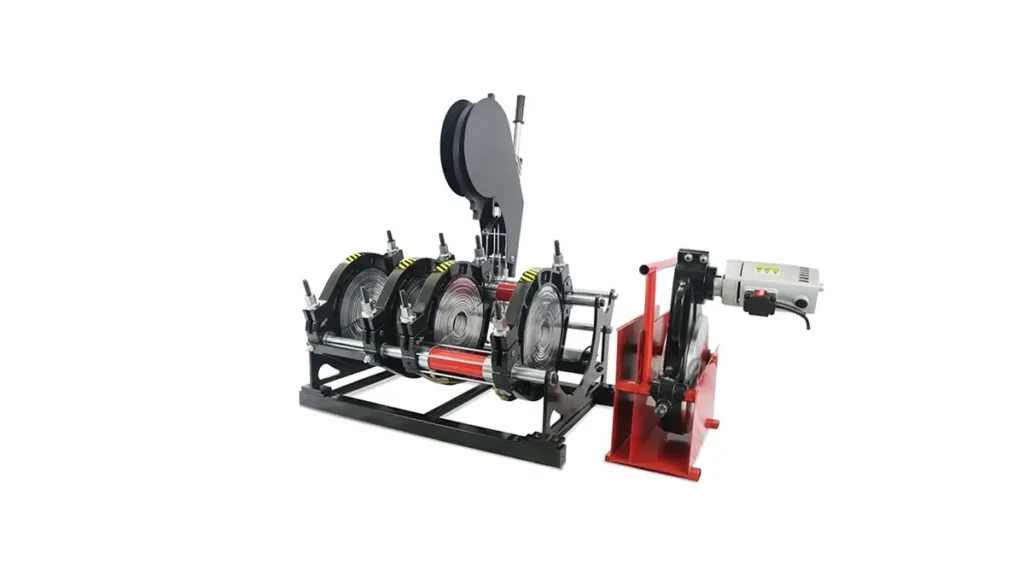
For Russian contractors, utilities, and pipeline engineers looking for dependable plastic pipe welding solutions, choosing the right equipment supplier is critical. In a market defined by extreme climates, long supply routes, and strict standards, reliable HDPE welding machines ensure project uptime and long-term pipeline integrity.
Why Russian Projects Need Purpose-Built HDPE Welding Equipment
Harsh winters, remote worksites, and regulatory expectations make robust welding machines essential across Russia. From municipal water networks in Siberia to gas distribution near the Arctic, crews require portable manual units for field joints and automated stations for factory-level production. Equipment that resists temperature fluctuations, offers easy maintenance, and supports certified weld records is highly valued.
Key Welding Methods and Where They Fit
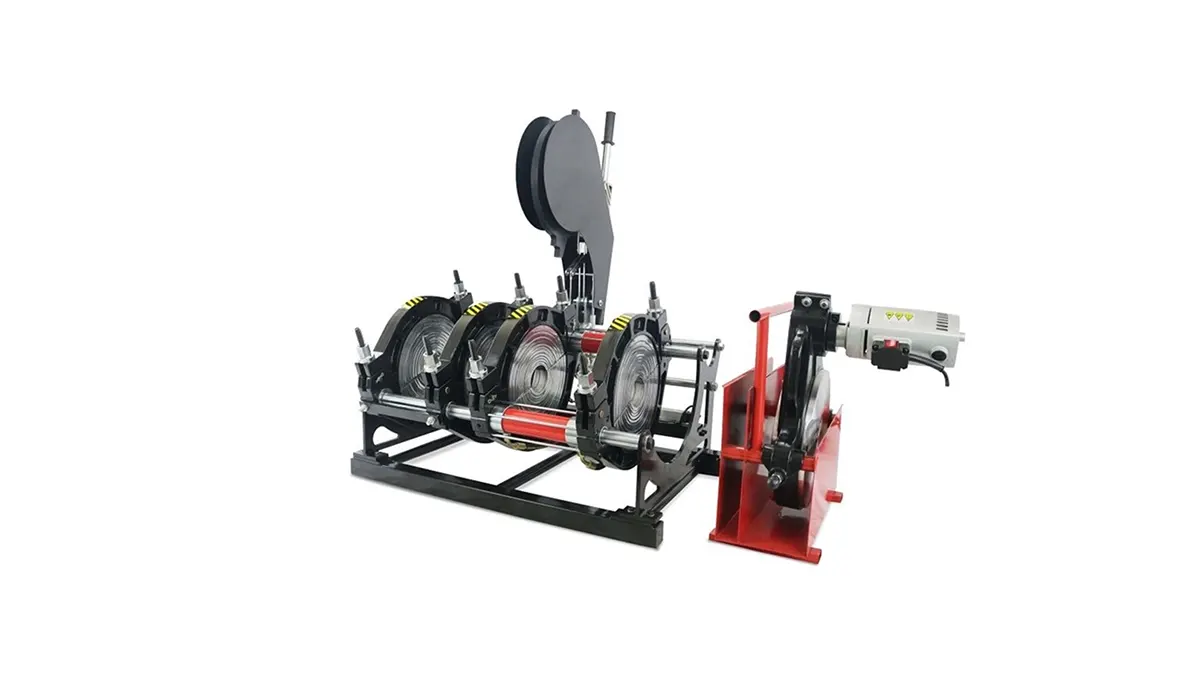
Butt fusion remains the most common technique for large-diameter HDPE pipelines used in water and gas distribution. Manual butt fusion machines are ideal for on-site repairs and small-diameter work, while hydraulic and CNC automatic butt fusion machines increase throughput for long pipe stringing and prefab spool fabrication. Electrofusion units provide a fast, versatile option for fittings and repair patches where precision and minimal excavation are priorities.
What Russian Buyers Look For
When selecting a supplier in Russia, buyers focus on:
– Cold-start reliability and materials rated for low temperatures.
– Availability of spare parts and local support options.
– Machines compatible with GOST and international welding standards.
– Training resources and weld documentation tools for quality control.
Product Overview (Typical Range Offered)
| Machine Type | Pipe Diameter Range | Ideal Use |
|---|---|---|
| Manual Butt Fusion | 16mm – 400mm | Field repairs, small projects |
| Hydraulic Butt Fusion | 63mm – 1600mm | Medium to large pipelines |
| CNC Automatic Butt Fusion | 160mm – 1250mm+ | High-volume prefabrication |
| Electrofusion Machines | Fittings & repairs | Distribution lines, repairs |
Durability and Serviceability for Russian Conditions
Machines designed for Russian deployments feature corrosion-resistant components, robust hydraulic systems, and modular parts for quick field servicing. Fast access to spare parts and clear maintenance guides reduce downtime on long-distance projects. For many regional contractors, equipment that can be maintained with basic workshop tools is a decisive advantage.
Training, Compliance, and Traceability
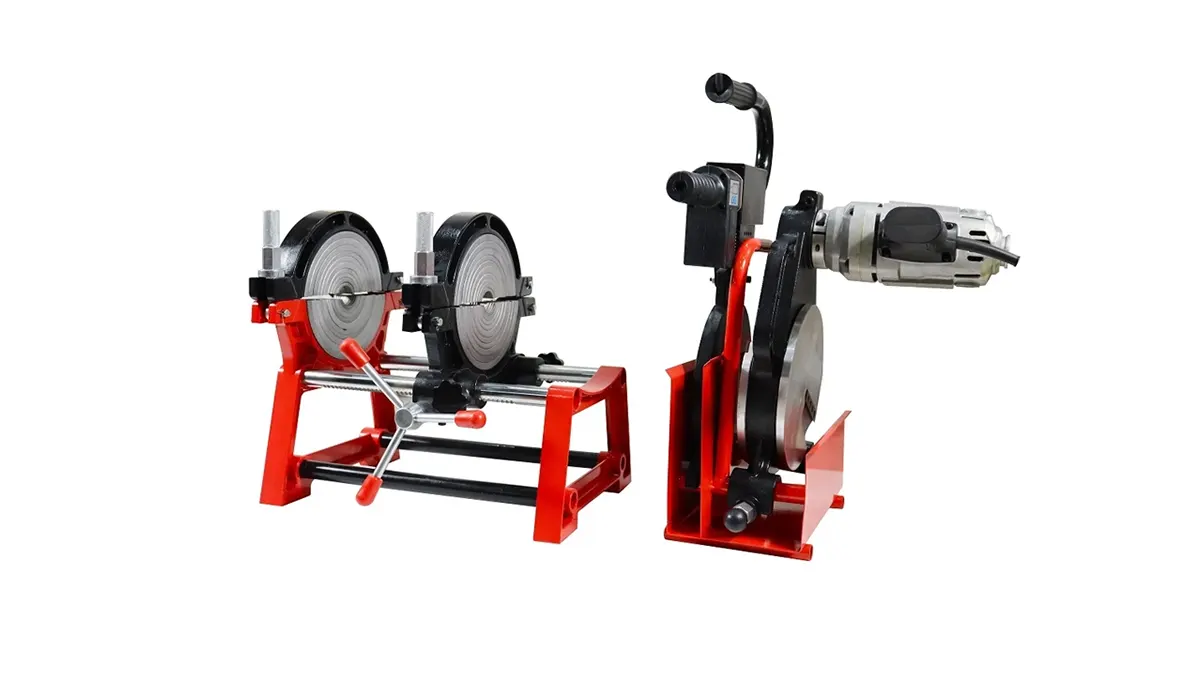
Russian pipeline projects often require certified weld procedures and traceable records. Suppliers that offer operator training, on-site commissioning, and digital weld logging help project teams meet both internal QA and external regulatory audits. Portable data-export features and weld reports are particularly useful for long-term asset management.
Choosing the Right Supplier
When evaluating suppliers for plastic pipe welding equipment in Russia, consider machine fit for purpose, spare parts logistics, training availability, and proven field performance in similar climates. For example, JQ-Fusion provides a broad lineup spanning manual, hydraulic, and CNC automatic butt fusion machines tailored to diverse project scales and environments.
Final Recommendations for Procurement Teams
Start with a needs assessment: pipe sizes, projected daily weld counts, site accessibility, and certification requirements. Prioritize equipment with a track record in subzero conditions, and request sample weld reports or references from comparable Russian projects. Investing in operator training and a spare-parts kit will yield measurable uptime improvements on long-term infrastructure initiatives.



