
Choosing the best poly pipe fusion machine company in Finland means balancing cold-climate reliability, compliance with EU/EN quality expectations, and on-site service that keeps municipal water, district heating and industrial networks running smoothly. This guide helps Finnish contractors, municipal engineers and pipeline installers evaluate fusion equipment and pick a supplier that matches local needs.
Why Finland Needs Robust Butt Fusion Solutions
Harsh winters, long project cycles and strict regulatory requirements make machine durability and precise weld control essential. In Finland, pipeline projects — from rural water mains to urban gas distribution and geothermal loops — demand fusion machines that work reliably at low temperatures, are easy to transport between sites, and provide repeatable joint quality to meet inspection standards.
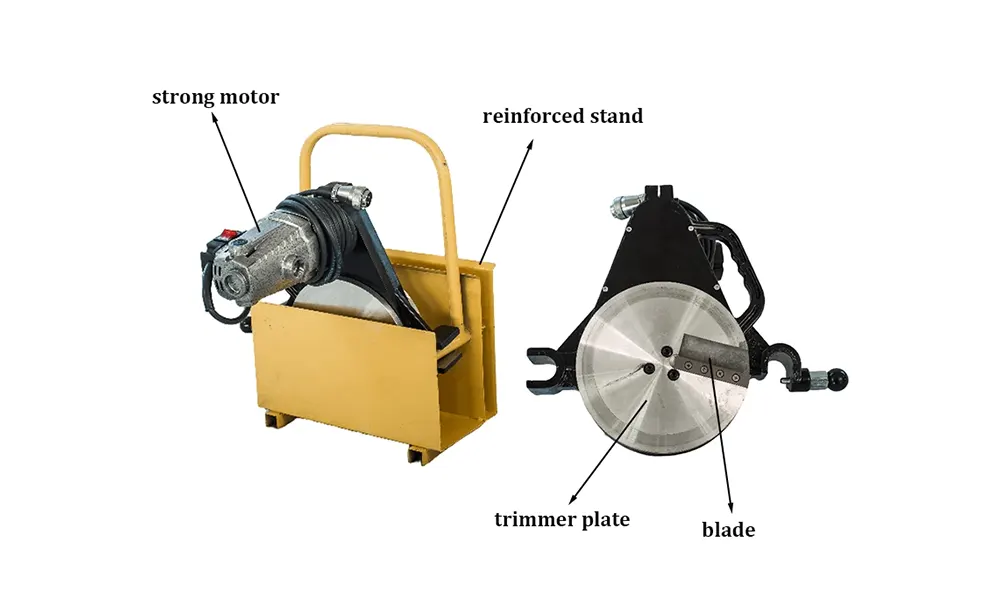
Key Machine Types and When to Use Them
Choose equipment based on pipe diameter, site conditions and operator skill level. Below is a quick reference to match typical Finnish projects with the appropriate fusion technology.
| Machine Type | Best For | Diameter Range | Primary Benefit |
|---|---|---|---|
| Manual Butt Fusion | Small repairs, remote sites | 20–160 mm | Lightweight and portable |
| Hydraulic Butt Fusion | Medium to large distribution lines | 160–1250 mm | Stable pressure control for consistent joints |
| Automatic / CNC Fusion | Large projects, high throughput | 200–2000+ mm | Precision, data logging and reduced operator error |
| Electrofusion Units | Fittings, service connections | 20–630 mm (fittings) | Ideal for complex junctions and limited access |
What Finnish Buyers Should Prioritize
– Cold-start performance: machines and electronics rated for sub-zero storage and operation.
– Spare parts availability across the EU or via fast shipping to Finland.
– Clear documentation and training in English (and preferably Nordic languages) for crews.
– Compliance with EN/ISO welding and pipe standards and traceable weld records for municipal approvals.
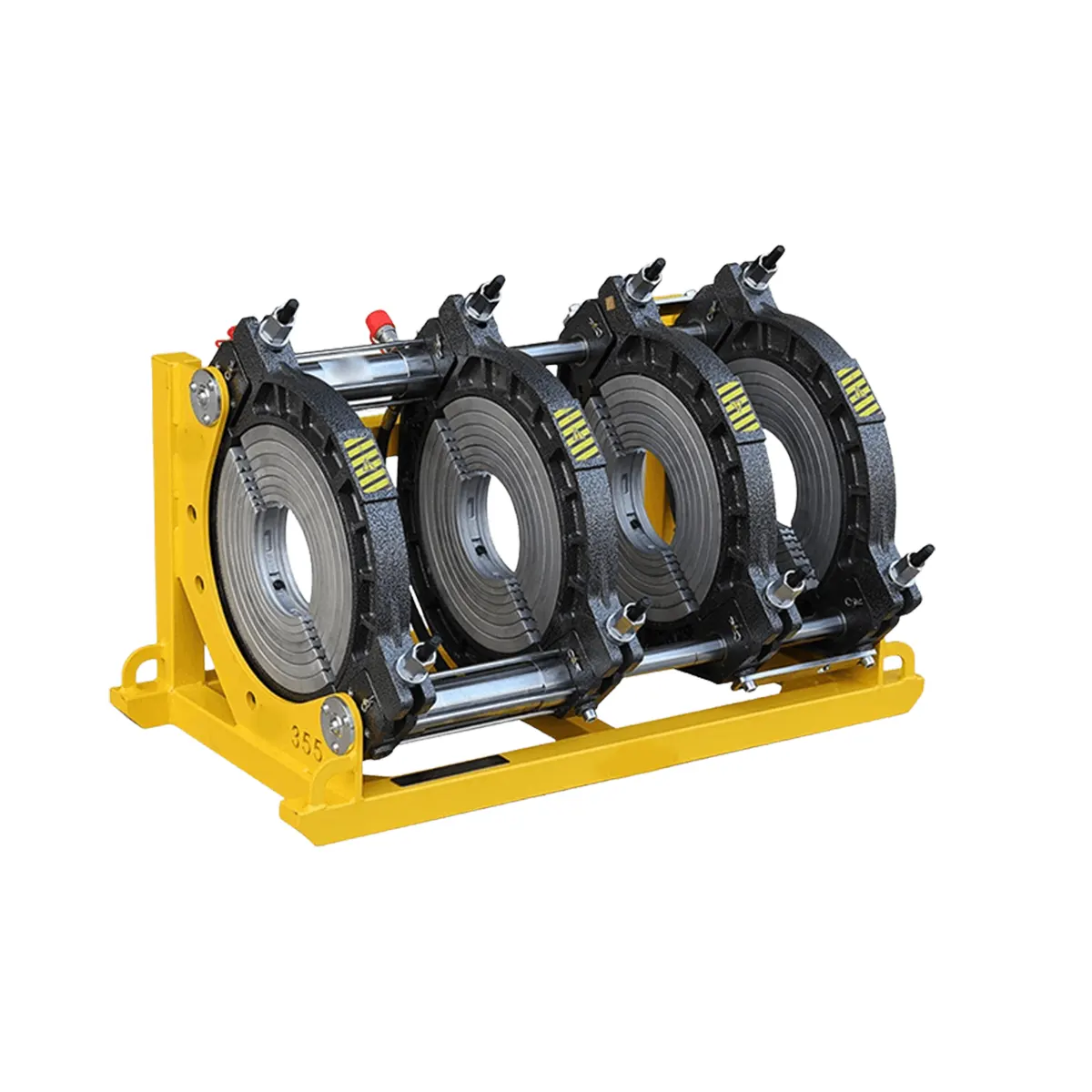
Maintenance & Field Tips for Nordic Conditions
Protect heaters and sensitive components from freezing; use heated transport cases if possible. Keep hydraulic fluids and batteries within recommended temperature ranges and schedule routine calibration before long winter campaigns. For projects near the Arctic Circle, plan laydown and curing times considering lower ambient temperatures.
Selecting a Supplier: Questions to Ask
– Can the supplier provide EU-compliant test certificates and weld traceability?
– Is there an authorized service partner or training partner in Finland or nearby Nordic countries?
– What is the warranty policy and spare-parts lead time inside the EU?
– Are there demonstration units or rental options for trial on a real jobsite?
Making the Final Decision
For Finnish projects, prioritize robust hydraulics or automatic systems for larger mains and trusted manual/electrofusion kits for service work. Opt for suppliers that back their machines with parts, training and digital weld records to simplify compliance and inspections. If you want to evaluate industrial-grade butt fusion machines and talk about cold-climate options, consider contacting JQ-Fusion for product details and availability.



