
Electrofusion machines are essential tools for joining HDPE pipes reliably — a common need across Ethiopia’s urban utilities, rural irrigation projects, and mining operations. This guide helps Ethiopian buyers, contractors, and NGO procurement teams understand uses, select the right machine, and evaluate key features and after-sales support for long-lasting weld quality.
Why Electrofusion Welding Matters in Ethiopia
Electrofusion welding offers leak-proof joints, quick installation cycles, and excellent resistance to corrosion and soil movement — advantages particularly valuable for Ethiopia’s water distribution networks, borehole projects, and agricultural irrigation systems. Urban expansion in Addis Ababa and regional infrastructure upgrades increasingly rely on HDPE pipelines, making electrofusion machines a pragmatic investment.
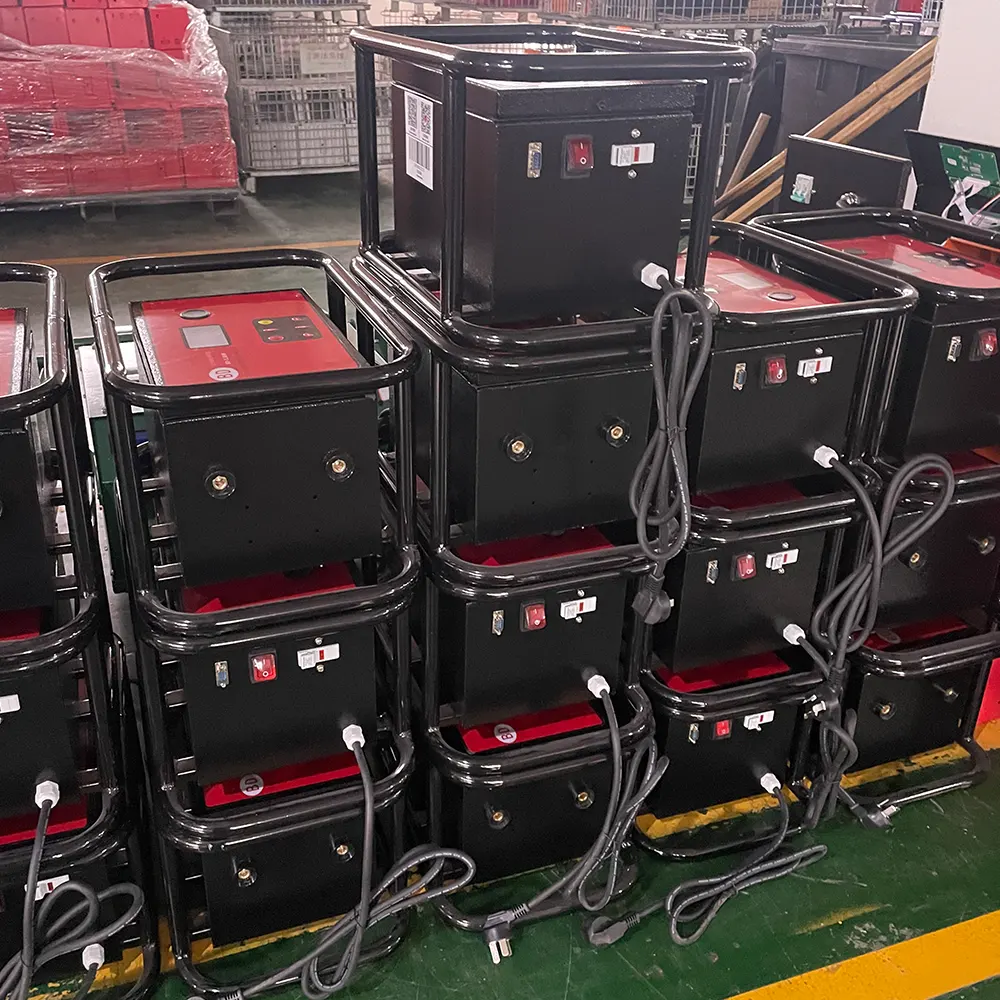
Common Uses and Local Applications
In Ethiopia, electrofusion equipment is commonly used for:
-
Rural water supply and household connections — reliable joints reduce maintenance in remote areas.
-
Irrigation and smallholder schemes — flexible HDPE networks withstand seasonal movements.
-
Municipal piping and stormwater systems — fast, clean installations in urban sites.
-
Industrial and mining pipelines — durable joins for slurry, tailings, and process water lines.
Buyer’s Checklist: How to Choose an Electrofusion Machine
When procuring electrofusion machines for projects in Ethiopia, evaluate these practical criteria:
-
Pipe diameter range — Ensure the unit matches the most common HDPE sizes used on your projects (e.g., 20mm up to 630mm and larger for special works).
-
Power supply compatibility — Confirm voltage options and availability of stable on-site power or generator requirements in remote areas.
-
User interface and traceability — Look for digital controls, welding logs, and print/save options for quality records important to contractors and donors.
-
Portability vs. workshop use — Lightweight handheld units support field repairs; bench or trolley models provide precision for larger fittings.
-
Local service and spare parts — Choose suppliers with clear shipping and after-sales plans to Ethiopia to minimize downtime.
Key Features to Prioritize
| Feature | Why it matters | Recommended for Ethiopia |
|---|---|---|
| Automatic welding programs | Reduces operator error and ensures consistent welds | High priority for contractors and NGO projects |
| Wide temperature range & sensors | Compensates for varying site temps and ensures joint quality | Essential in highland and lowland projects |
| Data logging & USB export | Traceability for quality control and donor reporting | Very useful for funded infrastructure works |
| Built-in battery/UPS option | Allows welding during power outages common in some regions | Recommended for remote sites |
Technical Specs to Verify
Power range, output current, programmable weld cycles, and compatibility with electrofusion fittings are the core specs. For medium-scale municipal projects, choose machines that support welding logs and handle 20–315mm as a baseline; large infrastructure might require higher-capacity bench or trolley models.
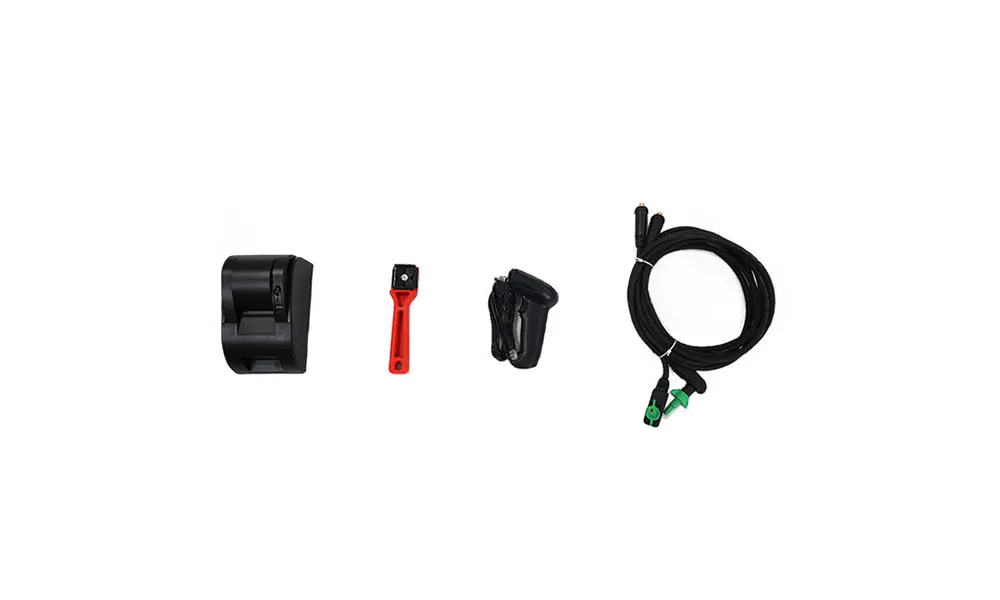
Training, Standards, and Quality Assurance
Proper operator training and adherence to standards (ISO/BS guidelines for plastic pipe welding) are vital. Insist on factory or certified local training, welding procedure specifications (WPS), and batch traceability. For donor-funded projects in Ethiopia, documented training records and weld logs often form part of compliance.
Maintenance & After-Sales Support
Regular calibration of the control unit, inspection of cable harnesses, and safe storage of welding clamps prolong equipment life. Confirm lead times for spare parts, warranty terms, and availability of remote technical support when purchasing from international manufacturers.
Cost Considerations and Procurement Tips
Balance upfront cost against features that reduce rework: data logging, automatic programs, and local support will lower lifecycle costs. For Ethiopian tenders, include sections for delivery, customs clearance, training, and spare-part kits to ensure transparent total cost of ownership.
Where to Source Reliable Equipment
Select established manufacturers with experience in HDPE pipe welding. JQ-Fusion is a professional manufacturer offering a range of electrofusion and butt fusion solutions suited to global infrastructure projects and provides documentation, machine variations, and support tailored to project needs.
Quick FAQ
Q: Are electrofusion machines suitable for rural Ethiopia?
A: Yes — especially models with battery backup and simple automatic programs for field teams.
Q: What is essential for quality assurance?
A: Operator certification, machine calibration, and weld logs for traceability.
Final tip: Prioritize machines that combine portability, automatic controls, and good documentation — they deliver the best value for Ethiopia’s mixed urban and rural pipeline projects.



