
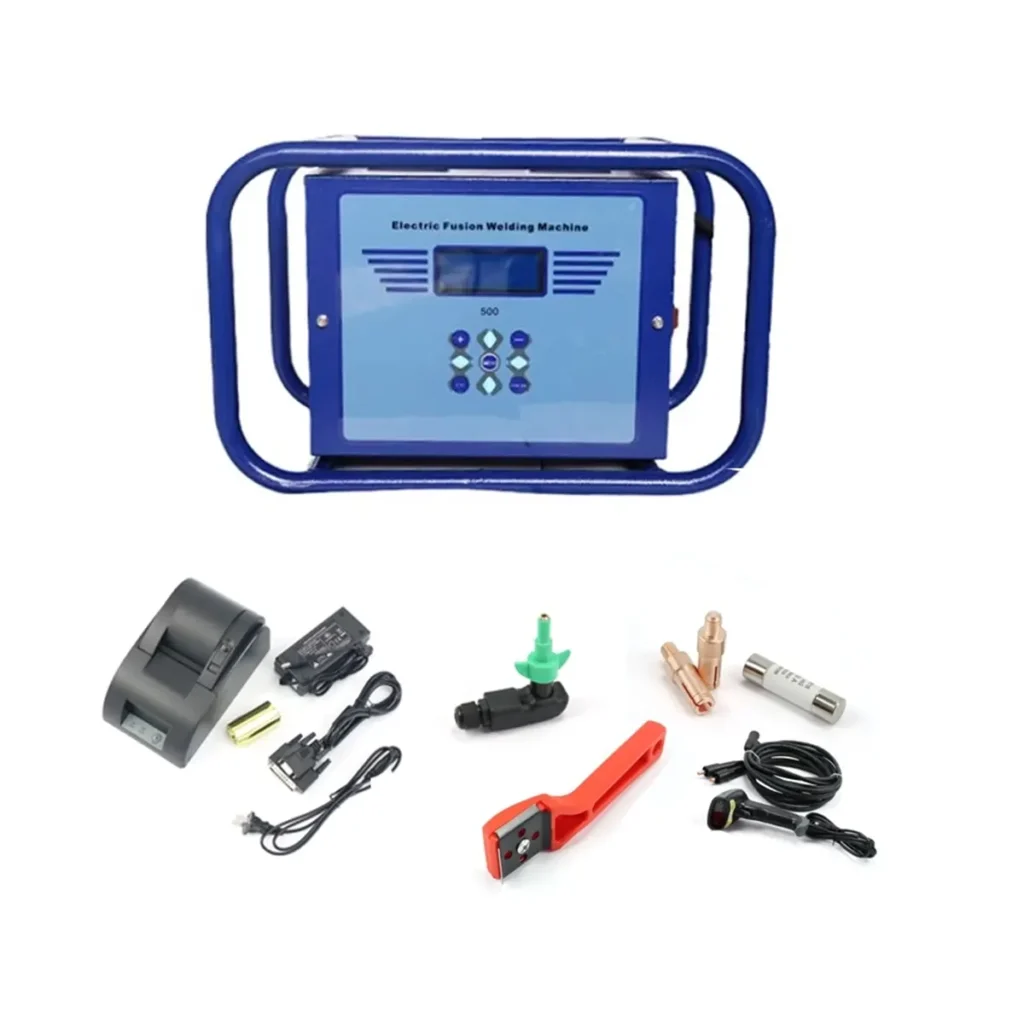
Electrofusion welding machines are essential tools for joining HDPE pipes used across Saudi Arabia’s growing infrastructure — from municipal water networks and desalination plant pipelines to gas distribution and industrial projects. This guide explains how electrofusion works, what to consider when buying equipment in Saudi Arabia, the most common applications, and practical tips to maximize reliability in hot, dusty environments.
How Electrofusion Welding Works
Electrofusion uses specially designed fittings with embedded heating elements. When clamped and energized by a controlled current, the heating coils melt the matching surfaces of pipe and fitting to form a homogeneous, leak-free joint. The process delivers consistent mechanical strength and is ideal for PE80/PE100 materials commonly used in Saudi projects.
Buying Guide: Key Features to Consider
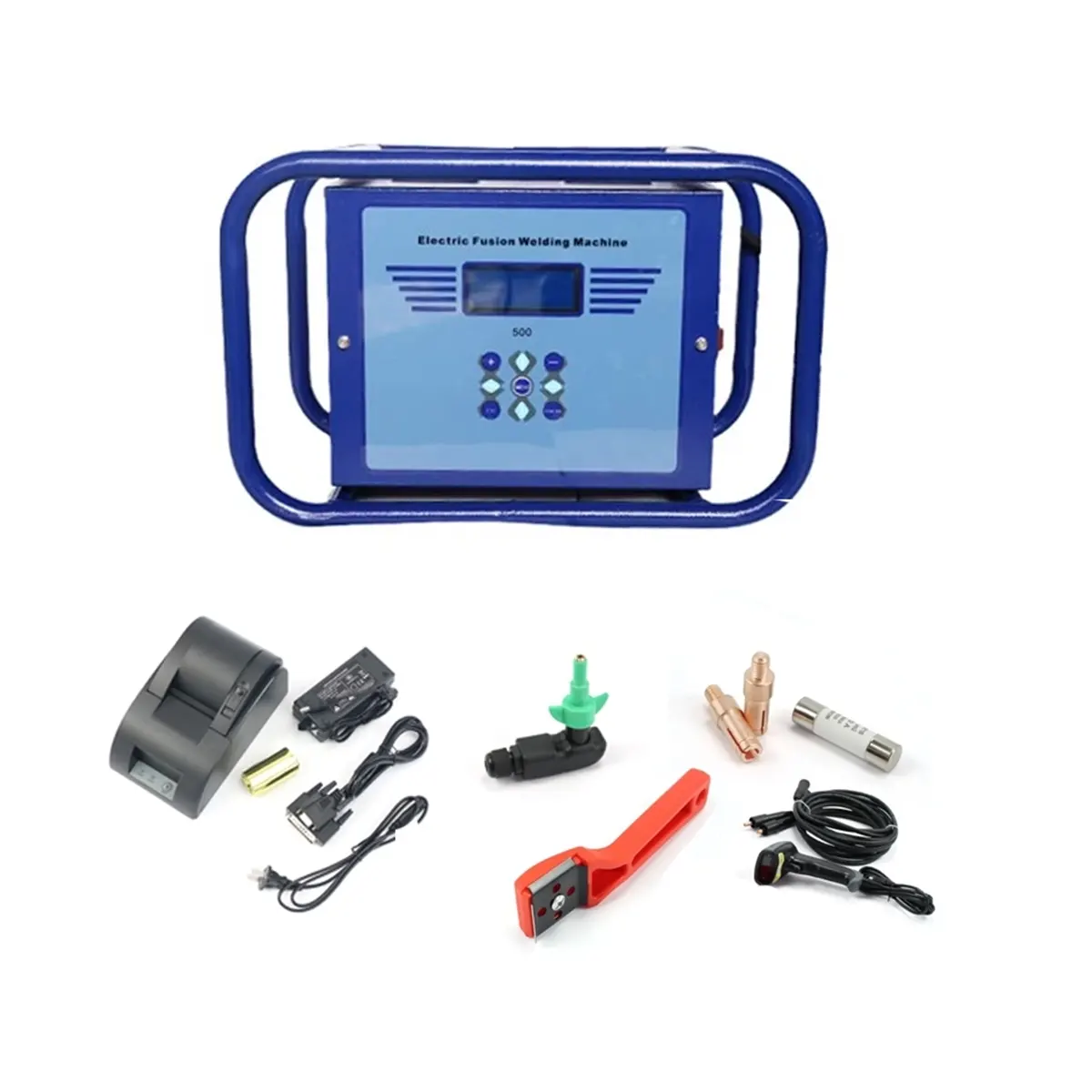
Choosing the right electrofusion welding machine for Saudi Arabia means balancing portability, environmental protection, and traceability. Prioritize machines that handle the expected pipe diameter range, offer simple operator controls, and include data logging for quality assurance.
Power and Portability
Saudi field teams often work in remote sites. Select units with flexible power options — mains (230V), generator-ready inverters, or rechargeable battery packs — and a weight/profile that suits on-site mobility.
Environmental Robustness
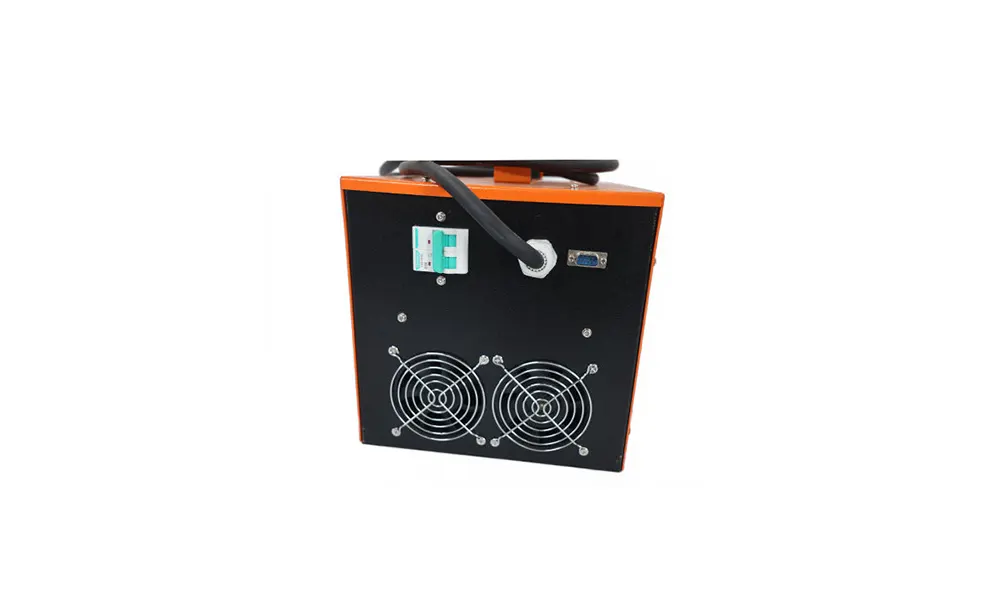
High ambient temperatures and dust require machines with elevated IP ratings, thermal compensation for welding cycles, and rugged enclosures. Built-in cooling and overcurrent protection help maintain weld quality in harsh conditions.
Traceability & Controls
Look for devices with digital control panels, weld parameter storage, and printing or USB export of weld records. These features support compliance with project specifications and client audits.
| Feature | Why it matters | Recommended |
|---|---|---|
| Power Options | Ensures operation across urban and remote sites | Mains + battery backup |
| IP Rating | Protects electronics from dust and heat | IP54 or higher |
| Data Logging | Quality records for clients and standards | USB / Bluetooth export |
| Pipe Size Range | Matches project pipe diameters | 20 mm → 630 mm (or project-specific) |
Top Applications in Saudi Arabia
Electrofusion welding is widely used where durable, corrosion-resistant joints are needed. In Saudi Arabia, common applications include:
• Municipal potable water distribution and pipeline rehabilitation in cities such as Riyadh and Jeddah.
• Desalination plant connections and high-purity water networks where leak-free performance is critical.
• Gas distribution and service lines for residential and commercial developments requiring certified joints.
• Agricultural irrigation networks and large-scale greenhouses in arid regions where flexible, long-lasting piping is essential.
Best Uses: When to Choose Electrofusion
Electrofusion is especially advantageous when: the site requires quick, onsite joining with minimal excavation; joints must be reliable under pressure and temperature variations; traceability and weld documentation are required for regulatory or client compliance. It is also preferred when welding complex fittings like saddles, tees, and couplers.
Comparing Alternatives
Butt fusion is ideal for long, straight runs and automated factory environments, while electrofusion excels for repairs, fittings, and tight-access situations. Many projects combine both techniques; choose electrofusion for precision connections and field adaptability.
Maintenance, Training & Quality Control
Regular calibration, clean connectors, and firmware updates keep machines performing. Train local operators on correct clamping, cleaning, and weld sequencing. Always use certified electrofusion fittings and follow the welding schedule — temperature, voltage, and time matter.
Local Standards & Certification
For projects in Saudi Arabia, ensure compliance with applicable international and local standards such as ISO and EN/ASTM piping standards, and with buyer-specific specifications (e.g., utility or EPC contractor requirements). Project audits often require weld trace logs and certified operator records.
Selecting a Supplier
Choose a manufacturer that offers reliable after-sales support, spare parts availability in the region, and clear quality documentation. JQ-Fusion provides a range of electrofusion and butt fusion equipment designed for global infrastructure projects and supports customization to match local jobsite needs.
Installation Tips for Hot, Dusty Climates
• Schedule sensitive welds for cooler parts of the day to avoid overheating during fusion cycles.
• Use sunshades and dust covers for equipment and prepped joints.
• Store fittings and pipes in shaded, ventilated areas to maintain consistent material temperature.
Quick Pre-Purchase Checklist
• Confirm pipe material grade and diameter range.
• Verify power options and IP rating for site conditions.
• Ensure data logging and export capabilities for traceability.
• Ask about local spare parts, warranty, and technical support.
Final note: Electrofusion welding machines are a practical, reliable choice for Saudi Arabia’s diverse pipeline projects. Prioritize environmental robustness, traceability, and supplier support to ensure long-term performance and compliance on every jobsite.



