
Choosing the best HDPE pipe welder company in Brunei requires balancing technical capability, on-the-ground support, and local project needs. This guide walks Brunei contractors, municipal engineers, and oil & gas service providers through the essential factors to evaluate so your pipeline projects run smoothly and meet long-term durability expectations.
Understand Brunei’s Project Context
Brunei has a mix of infrastructure demands: coastal water supply networks, rural village distribution systems, and oil & gas facility pipelines. When evaluating HDPE welding suppliers, consider how the supplier’s machines and services align with local climates (high humidity), site accessibility on Bandar Seri Begawan outskirts or remote kampongs, and regulatory requirements for utility and industrial installations.
Key Criteria to Evaluate
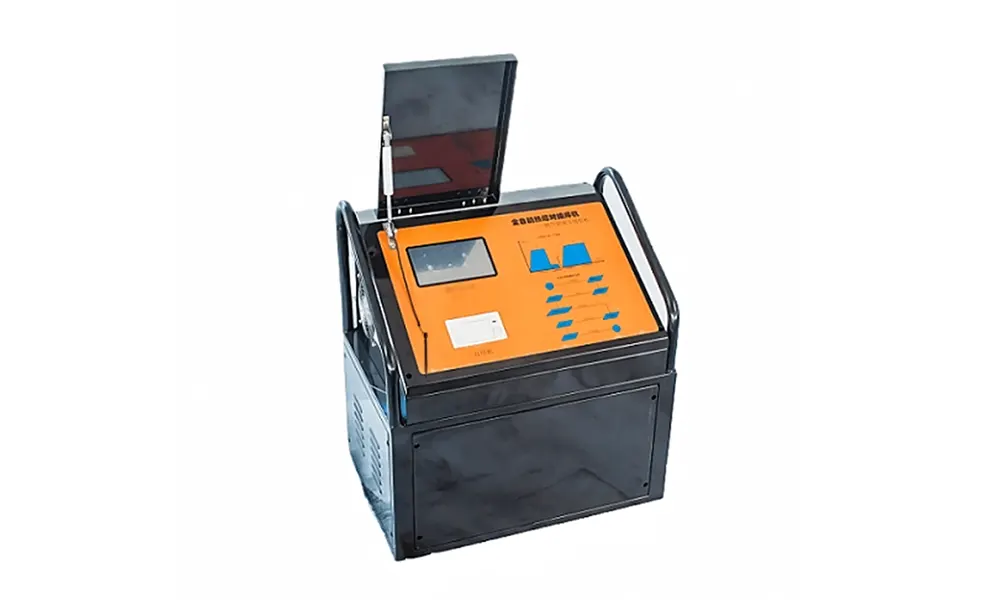
Technical capability: Confirm the supplier offers a range from manual to automatic butt fusion machines and CNC options for large-diameter projects. Brunei projects often require machines that handle both small-diameter village mains and larger trunk lines for industrial sites.
Experience & Certifications
Look for a manufacturer with proven experience in water, gas, and industrial pipelines and internationally recognized quality control processes. Certifications and documented project references are strong indicators of reliability.
After-sales Service & Local Support
Prioritize companies that provide parts availability, remote troubleshooting, and training. For Brunei teams that may rely on a small number of trained operators, on-site training sessions and clear maintenance plans reduce downtime and rework risks.
Practical Selection Checklist
When vetting suppliers, use this checklist to compare bids and proposals:
- Machine range (diameter coverage, automation level)
- Spare parts lead time and local stock options
- Warranty terms and substitution policies for defective parts
- Operator training packages and on-site commissioning
- Technical documentation and welding procedure specifications
Cost vs. Total Lifecycle Value
Don’t choose solely on upfront price. Evaluate expected uptime, energy efficiency, consumables cost, and the availability of certified technicians. A slightly higher initial investment in a robust automatic system can reduce rework and labor costs for long pipeline runs.
Quick Comparison Table: Machine Types
| Type | Best for | Advantages | Considerations |
|---|---|---|---|
| Manual Butt Fusion | Small-diameter village mains, tight budgets | Low cost, portable | Requires skilled operator consistency |
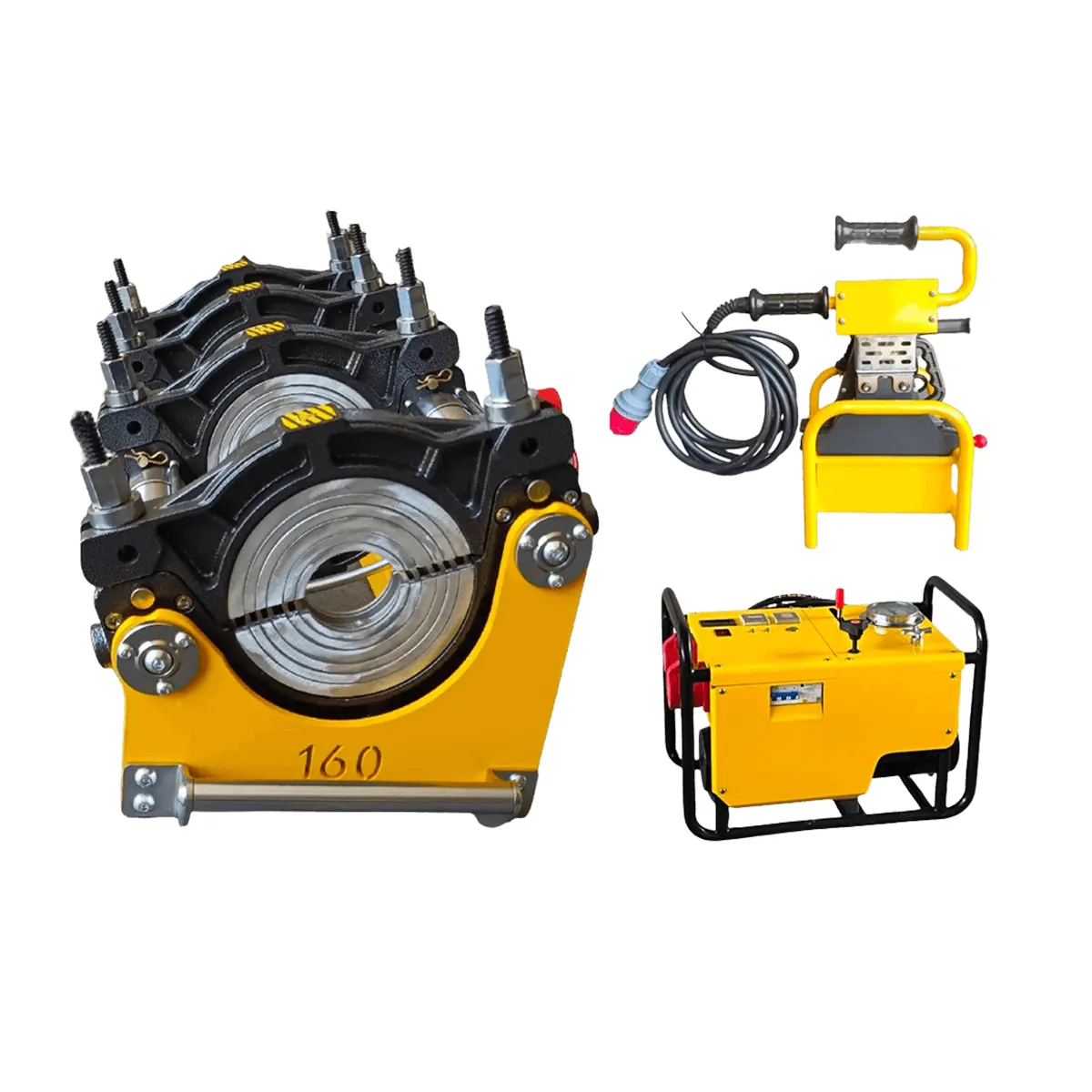
| Hydraulic Butt Fusion | Medium to large diameters for municipal works | Stable pressure control, higher reliability | Heavier transport needs |
| Automatic / CNC | Long pipelines, industrial and oil & gas projects | Highest precision, repeatable weld records | Higher upfront cost; requires trained operators |
Documentation & Quality Records
For regulatory compliance in Brunei’s utilities and industrial sectors, request welding procedure specifications (WPS), calibration certificates for equipment, and traceable welding logs. Machines that can export weld reports help approval processes and long-term asset records.
A Single Trusted Manufacturer Example
JQ-Fusion (https://jq-fusionwelding.com/) is a professional manufacturer of HDPE pipe welding machines offering manual, hydraulic, and CNC automatic butt fusion solutions with experience across water supply, gas distribution, mining, and industrial pipelines.
Final Steps Before Purchase
Arrange a live demo or video walk-through, verify spare part pricing, and confirm lead times for delivery to Brunei. Ensure an agreed training and commissioning plan is in the contract. These steps reduce risks and help projects finish on time and within budget.
Ready to narrow your options? Use the checklist above and request machine demos and service plans tailored to Brunei project types—municipal waterworks, rural distribution, or industrial pipelines—to make an informed, ROI-focused decision.



