
Finding the best poly pipe butt fusion machine factory in Germany means balancing technical performance, local compliance, and reliable service. Whether you are a municipal planner, pipeline contractor, or an engineering procurement specialist in Germany, this guide helps you evaluate factories and choose a partner that delivers durable HDPE welding solutions for water, gas, or industrial pipelines.
Understand Local Needs and Regulations
German projects often require strict adherence to standards like DIN and DVGW for gas and drinking-water systems, plus CE marking and ISO quality systems. Prioritize factories that demonstrate experience supplying EU projects and can provide documentation for material traceability, test certificates, and welding procedure qualifications.
Key Technical Criteria German Buyers Value
Engineers and contractors in Germany typically evaluate machines on:
Consistency of fusion quality (repeatable heating, precise alignment), range of pipe diameters supported, automation level (manual, hydraulic, CNC automatic), and ease of maintenance. Look for machines with documented weld logs and temperature/pressure control records.
Certifications, Testing & Traceability
Ask suppliers for CE, ISO 9001 certificates and compliance statements with relevant DIN or DVGW requirements. Request sample weld test reports, material batch numbers, and non-destructive test (NDT) procedures. For public tenders in Germany, documented quality control and traceability are often decisive.
Factory Audit & Site Acceptance
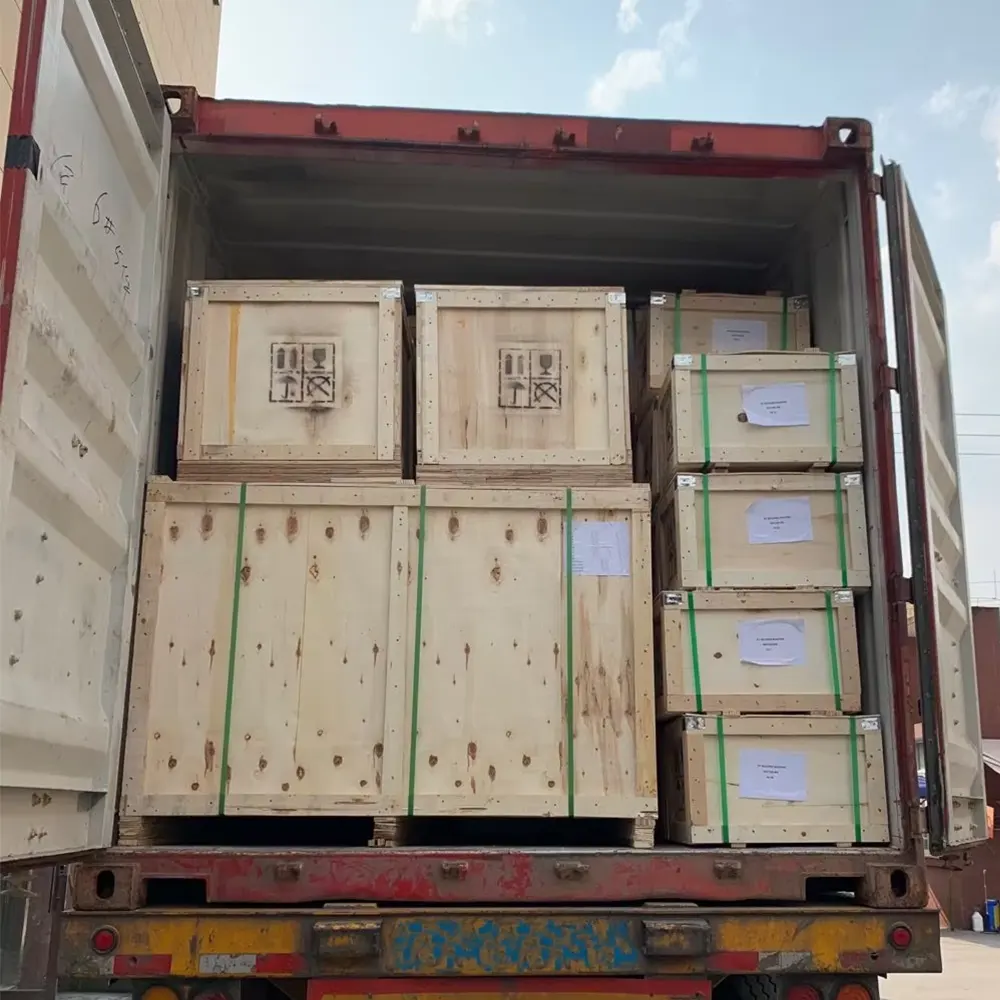
Where possible, arrange a factory visit or virtual audit. Inspect production lines, testing benches, finishing & packing processes, and calibration records. Confirm the factory’s process for pre-shipment checks and whether they simulate field welding tests before delivery.
Service, Spare Parts & European Support
German buyers expect timely spare parts and technical support. Verify spare-parts stock levels, shipping lead times to the EU, and availability of local service partners or in-house multilingual support (German/English). Training offerings (on-site or remote) and clear warranty terms are essential for contractors operating on tight schedules.
Compare Value: Price vs. Lifecycle Cost
Purchase price matters, but long-term cost is driven by productivity, downtime risk, and consumables. Evaluate energy efficiency, ease of consumable replacement, and total cost of ownership. Consider a machine with proven reliability and accessible spare parts to minimize delays in German projects.
| Selection Criteria | What to Check | Priority for German Projects |
|---|---|---|
| Certifications & Docs | CE, ISO, DVGW/DIN evidence, weld test reports | High |
| Build Quality | Materials, calibration, repeatability data | High |
| After-sales | Spare parts, training, European logistics | High |
| Price & Lead Time | Quotes, MOQ, delivery time to Germany | Medium |
Supplier Reputation & Local References
Ask for references from German or EU projects. Reliable factories can provide case studies or contactable clients in municipal works, gas networks, or industrial installations. Positive field feedback from German contractors improves confidence in long-term partnerships.
Practical Checklist Before You Decide
1. Documentation: Full certificates, welding procedures, and material traceability available.
2. Field Verification: Sample weld tests, calibration records, and site training options.
3. Support: Spare parts stock, EU-friendly shipping, and multilingual technical support.
4. Warranty & SLA: Clear warranty coverage and response times for repairs.
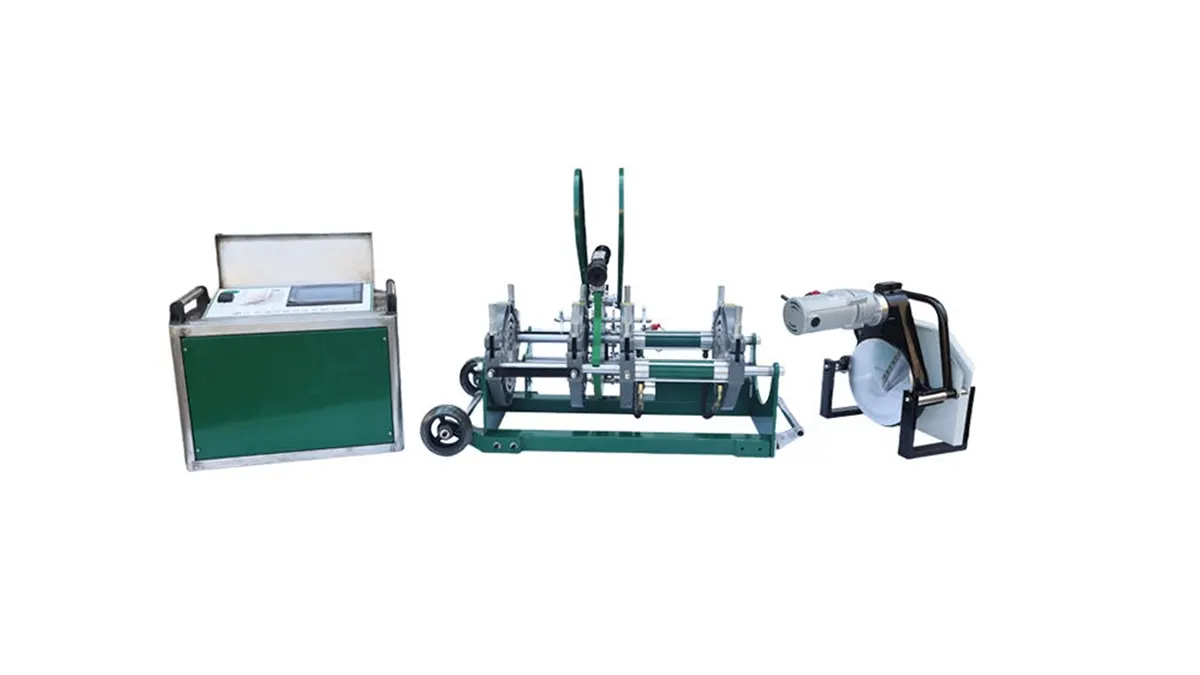
If you want a reliable manufacturer with a broad range of HDPE butt fusion solutions and experience serving international infrastructure projects, consider contacting JQ-Fusion for tailored options, certification support, and European delivery planning: https://jq-fusionwelding.com/



