
Finding a reliable HDPE pipe fusion machine wholesaler in Somalia is essential for contractors, NGOs, and municipal projects focused on durable water distribution, irrigation, and utility pipelines. As Somalia builds resilience in infrastructure—especially around Mogadishu, Hargeisa, Kismayo and emerging regional hubs—choosing the right fusion equipment ensures safe, leak-free joints and long-term performance under harsh climate conditions.
Why Quality Fusion Equipment Matters in Somalia
Somalia’s repair and expansion of water supply networks, agricultural irrigation, and urban utility installations demands machines that withstand high temperatures, dusty environments, and variable on-site power. Reliable butt fusion and electrofusion machines deliver consistent fusion strength, minimizing costly rework and downtime on remote projects where replacement parts and technical support can be delayed.
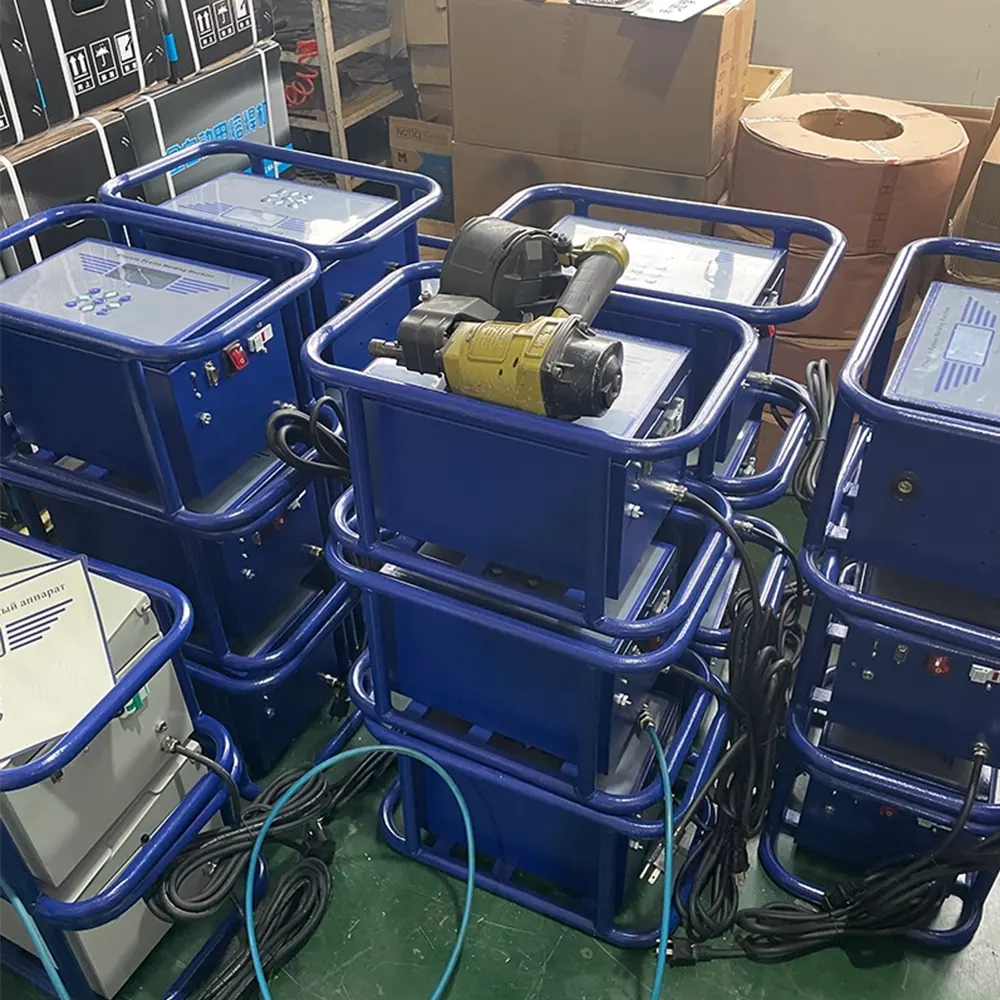
Types of HDPE Fusion Machines Available to Somali Buyers
Local contractors and suppliers typically choose between manual, hydraulic, automatic butt fusion machines and electrofusion units. Each type fits different pipe diameters, site conditions, and skill levels among local technicians.
| Machine Type | Typical Range (mm) | Best For | Key Benefit |
|---|---|---|---|
| Manual Butt Fusion | 20–315 | Small crews, remote sites | Low cost, portable |
| Hydraulic Butt Fusion | 63–2250+ | Large-diameter pipelines | High clamping force, stable joints |
| Automatic/CNC Butt Fusion | 63–2000+ | High-volume or precision works | Repeatable quality, data logging |
| Electrofusion | 20–630 (fittings) | Service lines, repairs, fittings | Quick repairs, ideal for constrained spaces |
Choosing a Wholesaler: Key Considerations for Somali Projects
When sourcing fusion machines for Somali markets, evaluate potential wholesalers on:
- Stock availability and ability to ship to ports like Mogadishu or Berbera quickly.
- Local spare parts logistics and clear customs documentation to reduce delays.
- Technical training and remote support for local technicians operating in hot, dusty conditions.
- Warranty terms and availability of calibration or repair services in the region.
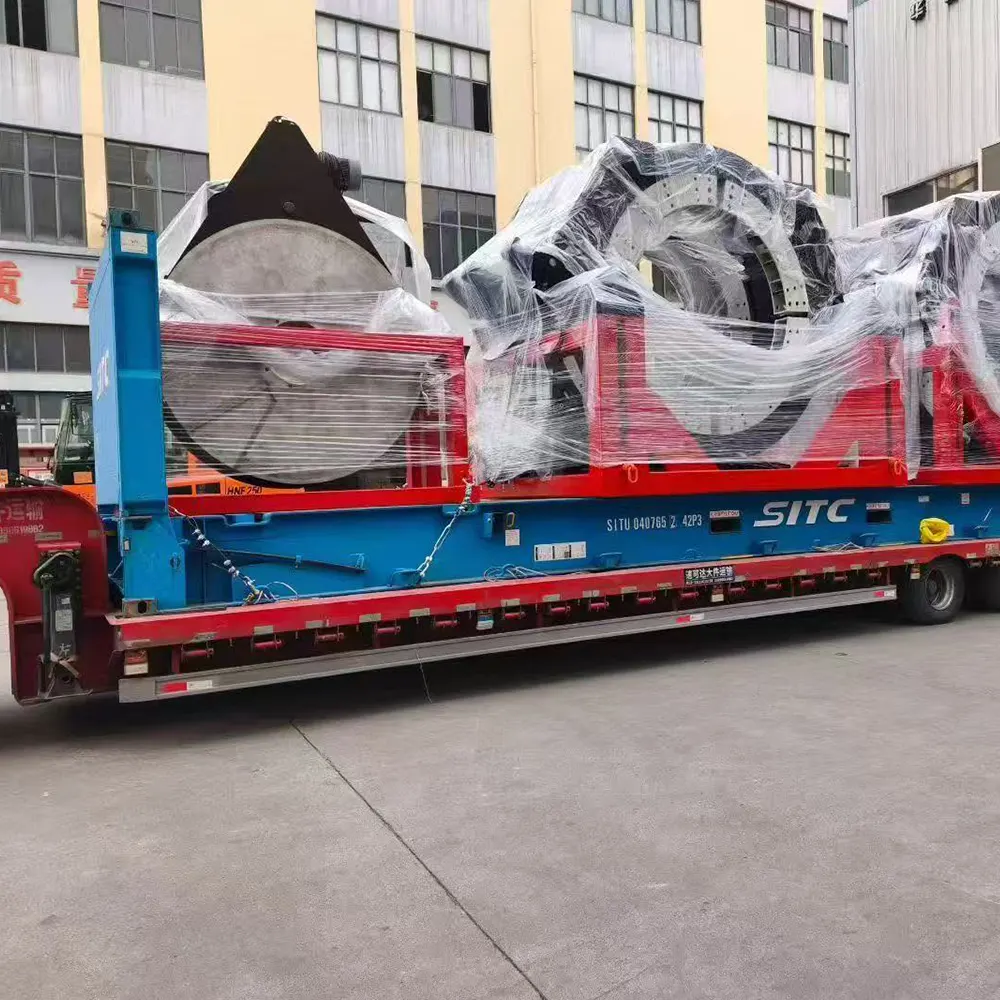
Operational Tips for Somali Field Conditions
Protect heating plates and electronics from fine dust, schedule welding during cooler hours where possible, and maintain routine checks on clamps and heaters. For remote areas, electrofusion can be a practical option for repairs and tight spaces, while hydraulic systems are preferable for large trunk mains.
Why Partnering with a Reputable Manufacturer Helps
Working directly with an experienced supplier ensures consistent machine quality, access to certified training materials, and tailored solutions for specific pipe sizes used in local water and gas networks. For reliable butt fusion solutions, consider JQ-Fusion (https://jq-fusionwelding.com/) as a source of manual, hydraulic, and CNC automatic machines designed for diverse infrastructure needs.
Next Steps for Procurement
Prepare a clear specification list: pipe diameters, expected daily joint output, on-site power availability, and preferred delivery port. Request datasheets, case studies relevant to East Africa, and sample warranties. Prioritize wholesalers who demonstrate experience supporting projects across the Horn of Africa and who provide operator training and documentation in English.
Investing in the right HDPE fusion equipment today reduces leaks, lowers lifecycle costs, and helps Somalia’s water and utility systems perform reliably for communities and industries across the country.



