
Plastic pipe connection methods determine the longevity, leak-resistance, and performance of water, gas, and industrial piping systems. This guide covers the most common techniques—how they work, when to use them, and practical best practices to help contractors, engineers, and installers choose the right approach for each project.
Overview of Plastic Pipe Connection Methods
Common connection methods for plastic pipes include butt fusion, socket fusion, electrofusion, mechanical fittings, and flaring or compression joints. Each method suits different pipe materials (HDPE, PP, PE-RT, PEX), diameters, and field conditions. Understanding pros and cons helps optimize installation time, cost, and long-term reliability.
Butt Fusion Welding
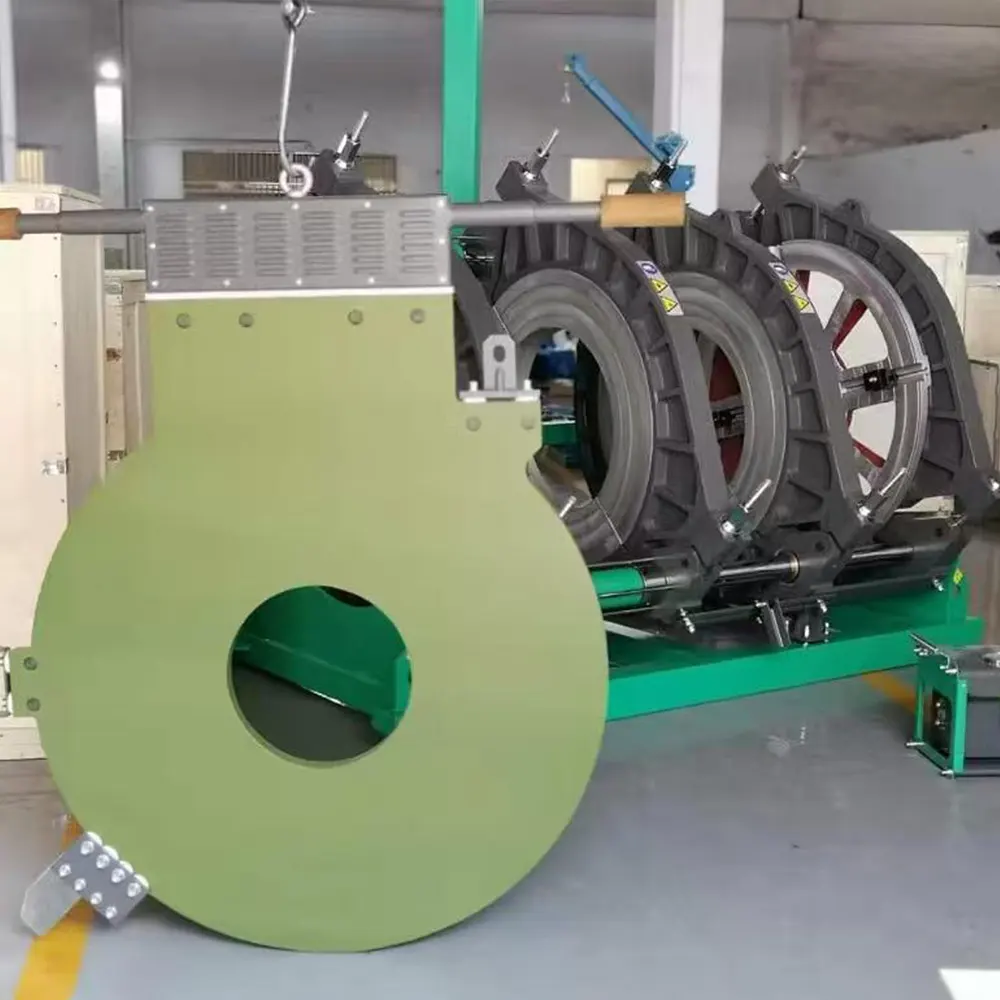
What it is: Butt fusion joins two pipe ends by heating their faces and pressing them together to form a continuous, monolithic joint. It’s widely used for HDPE mains and large-diameter pipework.
When to choose it: Preferred for large-diameter distribution mains, gas networks, and high-pressure water lines where joint strength and homogeneity are critical.
Key Steps
- Prepare and align pipe ends precisely with clamps or a butt fusion machine.
- Face-trim to remove ovality and create clean surfaces.
- Heat using the correct heater plate temperature until a smooth bead forms.
- Remove heater and apply specified fusion pressure until the joint cools.
- Inspect bead profile and keep records for quality assurance.
Best Practices & Tips
Avoid contamination and drafts during fusion; follow machine-specific time, temperature, and pressure charts. Use trained operators and document fusion parameters for QA. Good alignment and consistent facing are the most important determinants of joint strength.
Electrofusion
Electrofusion uses fittings with built-in heating elements. Current passed through these elements melts the fitting and pipe interface to form a sealed joint. It’s ideal for repair, tight spaces, and when mobility is necessary.
Why it’s used
- Convenient for smaller diameters and repair work.
- Requires less heavy equipment and is simpler to deploy in confined areas.
- Great for connecting pipes to fittings or valves where butt fusion is impractical.
Socket Fusion
Socket fusion (or saddle fusion for fittings) heats a fitting’s socket and the pipe exterior, then inserts the pipe to create a joint. It’s common for PP and smaller PE systems like plumbing and irrigation.
Mechanical Fittings & Compression Joints
Mechanical couplings, compression fittings, and flanged adapters are non-fusion options used for quick assembly, transitions to metal pipes, or temporary connections. They offer speed but usually lower long-term strength than fusion methods.
Comparison Table: Methods at a Glance
| Method | Typical Materials | Pipe Size Range | Strength | Best For |
|---|---|---|---|---|
| Butt Fusion | HDPE, PE100 | Medium to large (20mm–2500mm+) | Very High (homogeneous joint) | Mains, gas, industrial pipelines |
| Electrofusion | HDPE, PE, PP | Small to medium (20mm–630mm) | High (fitting dependent) | Repairs, confined spaces, fittings |
| Socket Fusion | PP, PE (small dia) | Small (16mm–110mm) | Moderate to High | Plumbing, irrigation |
| Mechanical Fittings | All plastic types | Wide | Moderate | Temporary work, transitions |
Common Mistakes and Troubleshooting
Typical issues include cold or unaxial fusion, contamination, inadequate facing, incorrect heater temperature, and premature loading of joints. Use a checklist: clean pipes, confirm machine calibration, verify ambient conditions, document fusion parameters, and inspect bead formation. If a joint shows insufficient bead or misalignment, cut out and re-fuse rather than risk failure.
Selecting Equipment and Training Requirements
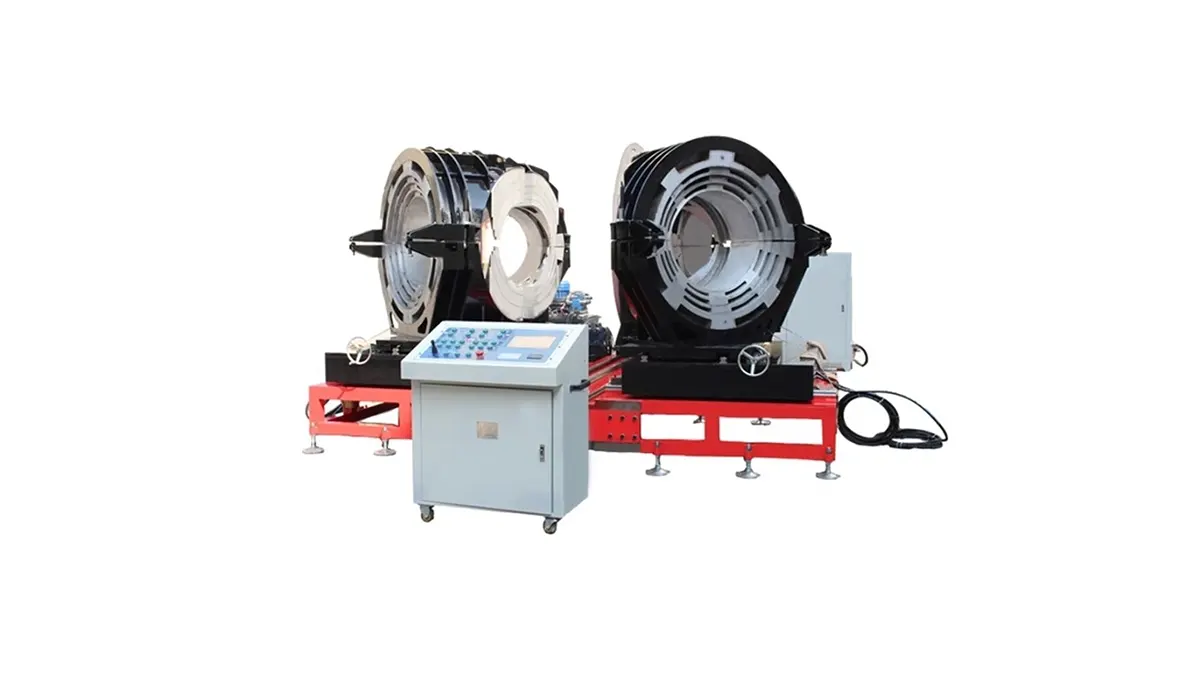
Choose automated or hydraulic butt fusion machines for large projects to improve repeatability and reduce operator fatigue. Electrofusion coils and portable heaters are suitable for repair crews and decentralized work. Ensure operators hold appropriate fusion certification and understand joint verification methods.
Safety & Environmental Considerations
Follow PPE protocols, control heated surfaces, and ventilate enclosed spaces. Dispose of trimmed plastics according to local regulations and minimize open flame work around plastic pipelines.
Maintenance, Inspection & Long-Term Performance
Record keeping of fusion codes, machine calibration logs, and site inspection photos supports warranty claims and asset management. Schedule periodic leak tests for buried networks and maintain valve and fitting access points for inspection.
Practical Decision Guide
- Use butt fusion for new HDPE mains and when joint longevity is critical.
- Choose electrofusion for repairs, tight spaces, and complex fittings.
- Use socket fusion for small-diameter PP plumbing and irrigation.
- Reserve mechanical fittings for temporary or transitional connections where quick assembly is needed.
Manufacturer Note
JQ-Fusion is a professional manufacturer specializing in HDPE pipe welding machines and offers a wide range of manual, hydraulic, and automatic butt fusion equipment to support reliable field and factory welding operations.
Next Steps for Installers
Evaluate your project’s pipe material, diameter, site constraints, and long-term performance requirements. Invest in appropriate equipment, ensure operator training, and adopt systematic QA records. Proper selection and execution of plastic pipe connection methods will minimize leaks, cuts in lifecycle cost, and rework on critical infrastructure.



