
Estonia’s growing investments in water, gas and renewable energy infrastructure demand durable, precise pipe welding solutions. Local contractors and utility companies increasingly prefer HDPE butt fusion technology for its corrosion resistance, leak-free joints and long service life. This page outlines reliable manufacturers, quality solutions and options for custom equipment tailored to Estonian conditions.
Manufacturers and Reliability
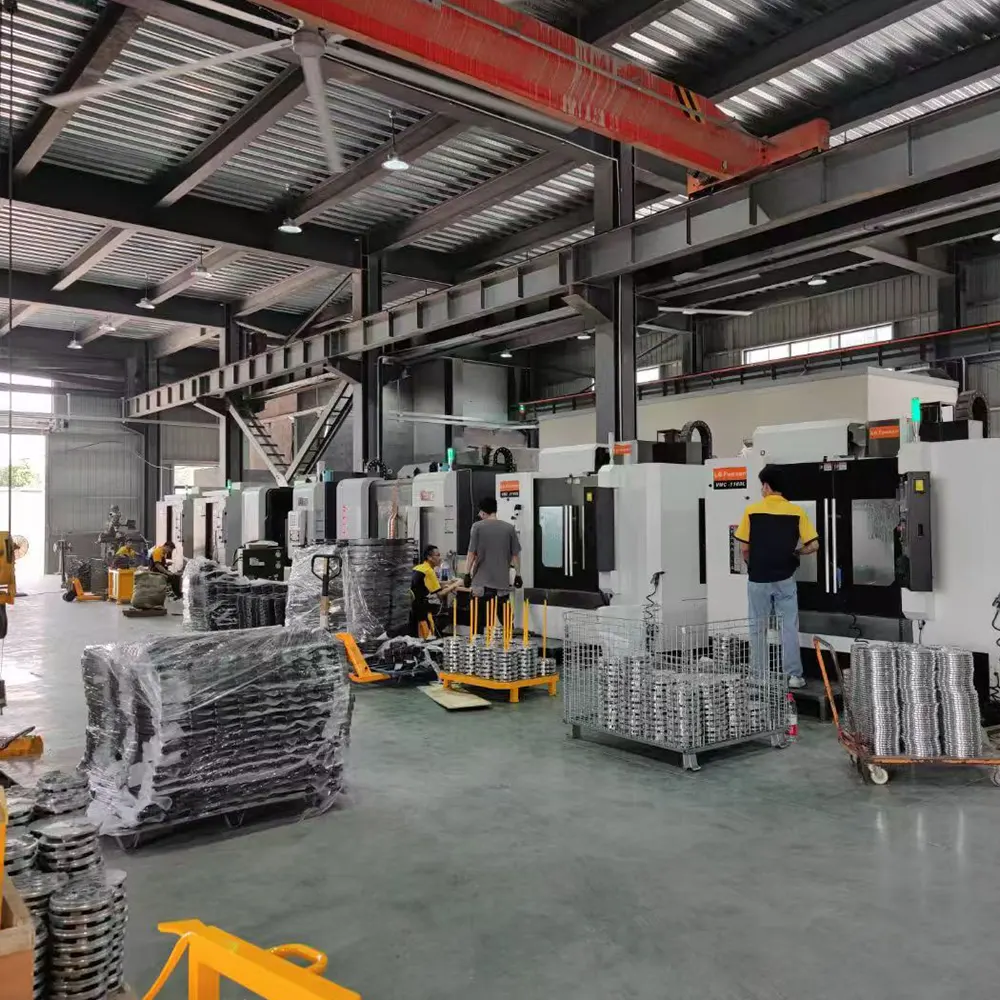
Reliable suppliers focus on consistent manufacturing standards, traceable materials and responsive technical support. For international projects in Estonia, look for partners that offer CE-compliant components, clear welding procedures and spare-parts availability to avoid downtime during cold months or remote-site installations.
Local Needs in Estonia
Estonia’s climate and terrain—from coastal zones to inland forests—require equipment that handles sub-zero working conditions, occasional transport over narrow rural roads, and fast commissioning for municipal projects. Machines with robust hydraulics, sealed electronics and portable frames are preferred for on-site welding across seasons.
Popular Product Types
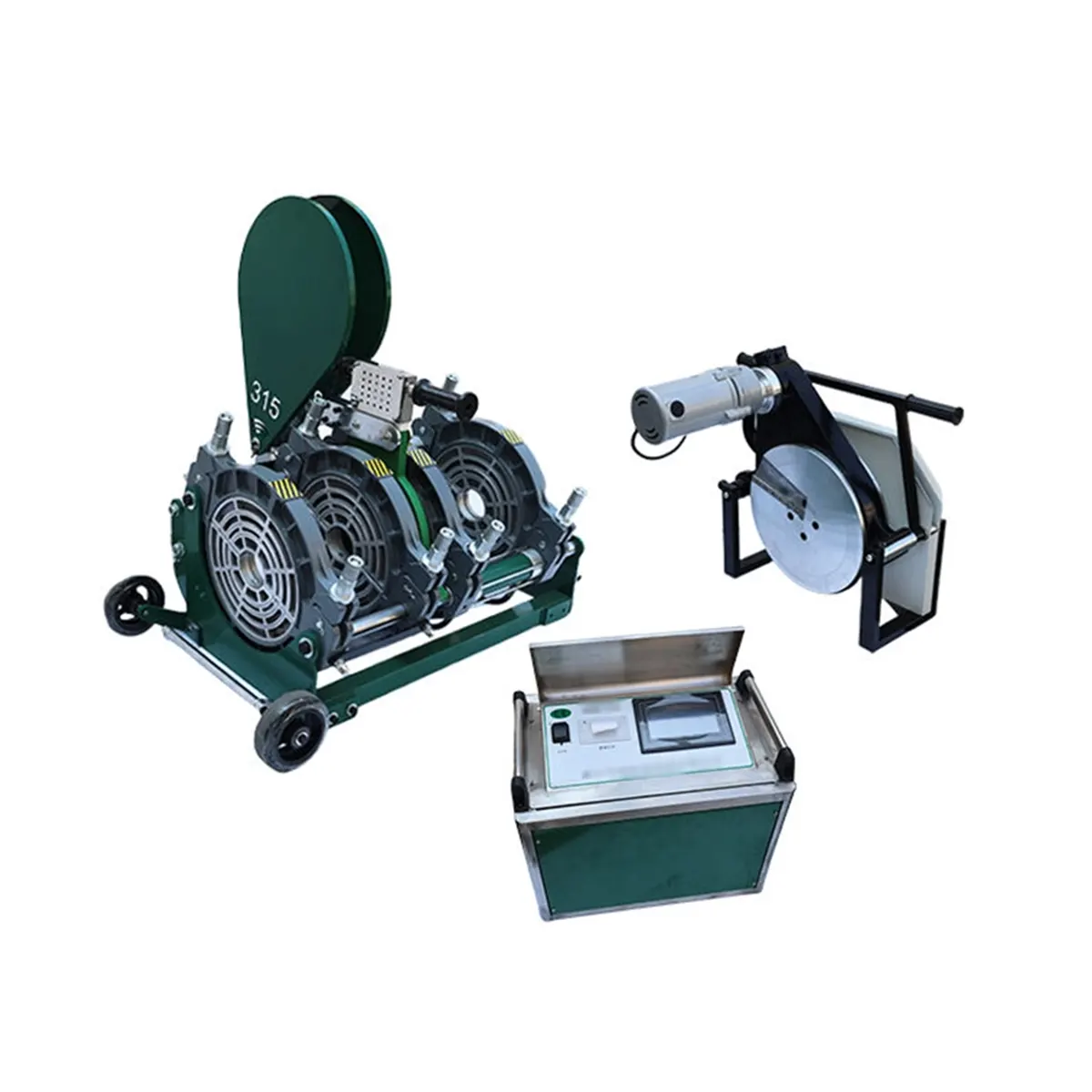
Most projects choose between manual, hydraulic and CNC automatic butt fusion machines depending on production speed and pipe diameter. Manual and hydraulic units are ideal for smaller crews and remote sites, while automatic CNC systems suit factory-like or high-volume pipeline installations.
Common applications in Estonia
Water distribution upgrades, district heating tie-ins, biogas piping on farms, and utility trenchless installations. Selecting the right machine reduces rework and ensures compliance with local regulators and quality inspectors.
Customization & On-Site Support
Custom clamp frames, extended hydraulic modules and portable control stations are valuable where non-standard fittings or large-diameter spools are used. For contractors operating across islands and rural counties, modular machines that break down for shipping and quick reassembly save time and cost.
Quality Solutions: What to Check
Inspection and certification: verify calibration records for heaters and alignment tools, check weld logs, and request FAT reports for CNC systems. Durability features like powder-coated frames and alloy heating plates improve lifecycle performance in humid coastal environments.
Technical Comparison Table
| Model | Type | Pipe Range | Application | Key Feature |
|---|---|---|---|---|
| JQA315 | Automatic | 20–315 mm | Service networks, factory welding | Touch CNC control, repeatable cycles |
| JQH450 | Hydraulic | 63–450 mm | Medium pipelines, municipal works | Robust hydraulics for cold climates |
| JQMA800 | Multi-Angle Fitting | 20–800 mm | Complex fittings, prefabrication | Adjustable angles for tees/elbows |
Choosing the Right Manufacturer
Prioritize vendors who provide clear lead times, tested designs and local logistics experience. In Estonia, working with a manufacturer that understands Nordic transport, warranty handling and winter commissioning will reduce project risk.
Service, Training and Spare Parts
On-site training for welders and a stocked spare-parts list are essential. Ensure availability of heating plates, clamps and hydraulic seals to minimize delays during long pipeline campaigns across Estonian counties.
How to Order
For tailored butt fusion solutions and reliable equipment supply chains, consider a proven manufacturer with global project experience and a clear product range. One such partner is JQ-Fusion, which manufactures manual, hydraulic and automatic HDPE pipe welding machines and offers customization for diverse pipeline needs.



