
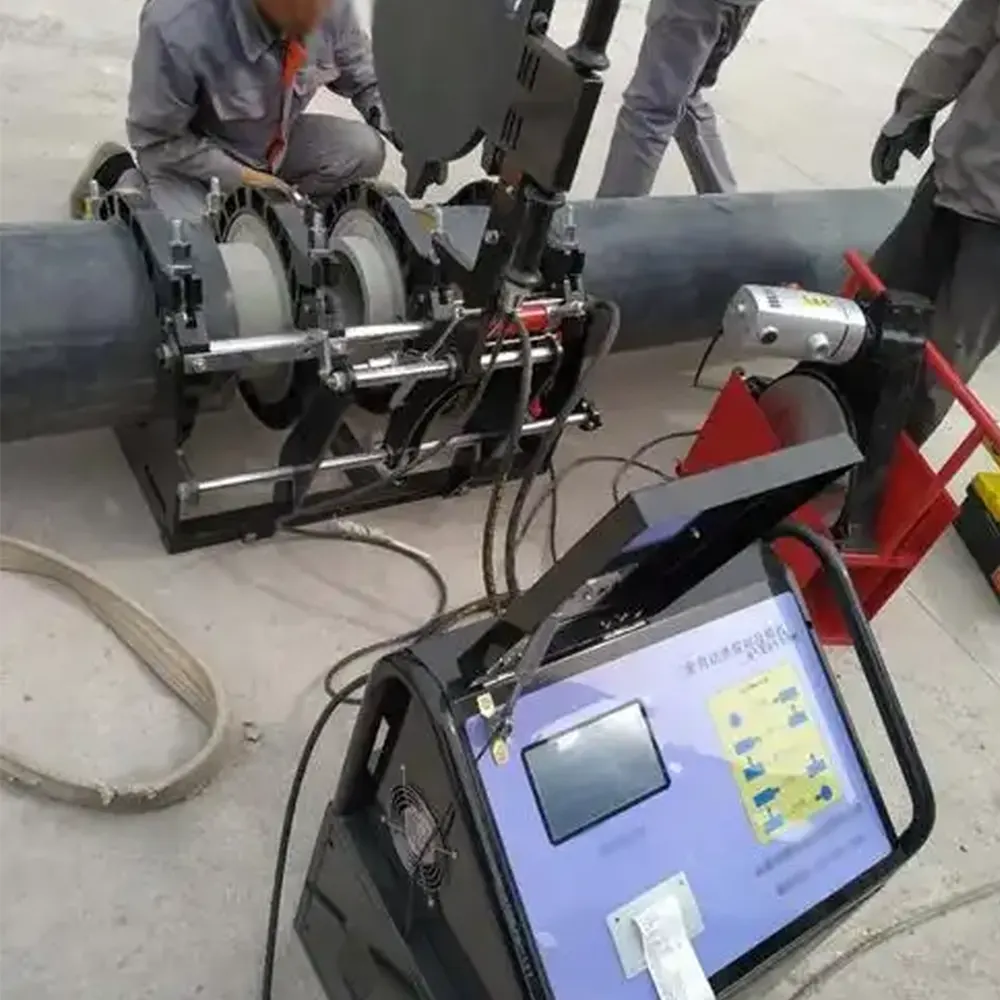
Bolivia’s expanding infrastructure—driven by municipal water projects, rural community programs, and a strong mining sector—needs dependable HDPE pipe welding equipment to ensure long-term performance in diverse environments. For reliable butt fusion machines, JQ-Fusion offers a range of manual, hydraulic, and CNC automatic solutions designed to handle everything from small distribution lines to large-diameter mining pipelines.
Why HDPE Butt Fusion Is Ideal for Bolivia
HDPE piping and butt fusion welding are especially suited to Bolivia because they deliver outstanding resistance to corrosion and chemicals—critical for mineral-rich runoff in mining areas and for long-term potable water systems in highland regions. The fusion process creates joints that are as strong as the pipe itself, reducing leak risks for gas distribution in urban centers and irrigation systems across the Altiplano.
Common Use Cases Across Bolivian Sectors
Water Utilities: Reliable potable water delivery and sewer systems for cities like La Paz and Cochabamba.
Mining: Chemical- and abrasion-resistant piping for slurry lines and process water.
Agriculture & Irrigation: Flexible systems for remote farms and high-altitude irrigation projects.
Gas Distribution: Safe, long-lasting gas mains and service connections in expanding urban neighborhoods.
Equipment Types & What They Mean for Your Project
| Machine Type | Typical Pipe Range | Best For |
|---|---|---|
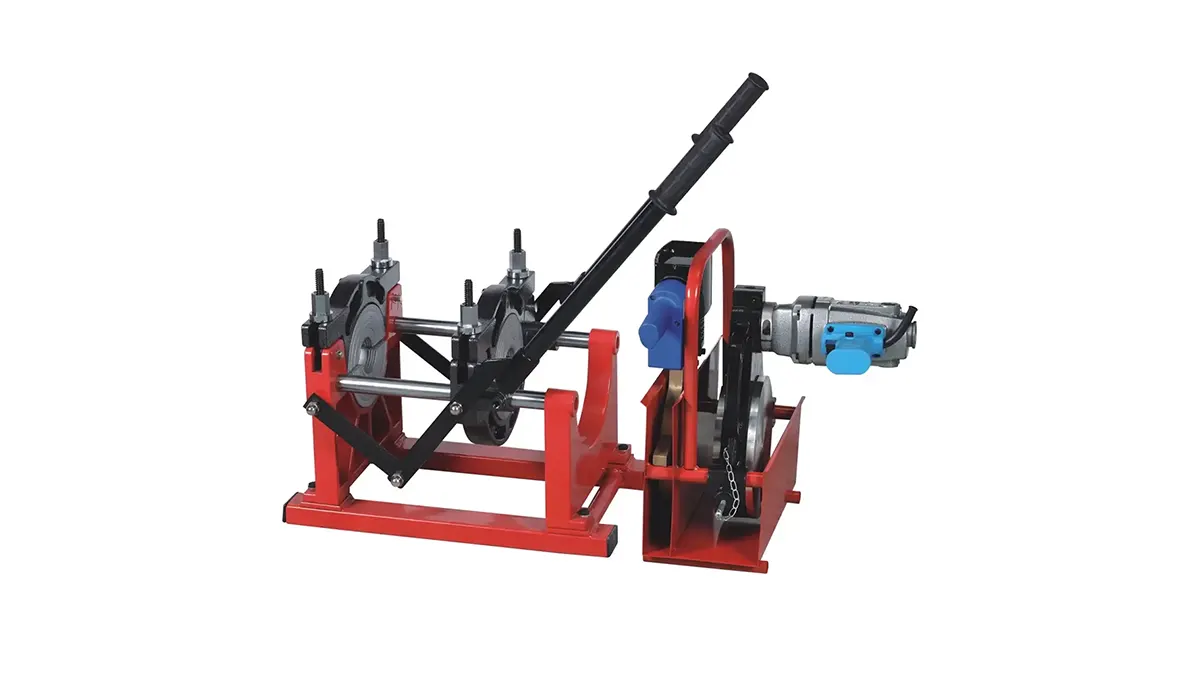
| Manual Butt Fusion | 20mm – 630mm | Rural sites, mobile crews, cost-sensitive projects |
| Hydraulic Butt Fusion | 63mm – 1400mm | Medium to large pipelines, mining and municipal works |
| Automatic / CNC Butt Fusion | 160mm – 2500mm+ | High-volume production, large-diameter pipeline installations |
Choosing the Right Machine for Bolivian Conditions
When selecting equipment, consider altitude, power availability, and project location. Remote Andean projects benefit from robust manual or hydraulic units that are easy to transport and maintain. Larger municipal or mining pipelines often require automatic machines for consistent weld quality and faster throughput. Evaluate site access—machines with modular frames and easy-to-ship components reduce logistics costs for Amazon or highland jobs.
Installation, Training & Local Support
Proper installation and operator training are essential to achieve certified, repeatable welds. Prioritize suppliers who provide clear weld procedures, on-site commissioning, and training for local technicians. For Bolivian contractors, a focus on spare parts availability and remote troubleshooting can minimize downtime, especially for mining schedules and seasonal construction windows.
Maintenance Tips to Maximize Uptime
Regular cleaning of heating plates, scheduled checks for hydraulic leaks, and storage of welding tools in dry conditions will extend machine life. Keep a basic spare parts kit (heating elements, sensors, seals) on hand at remote sites. Document weld parameters and maintain a log per joint to meet project QA/QC requirements.
Get a Competitive Quote
For capacity planning and pricing, request machine recommendations that match your pipe diameters, project tempo, and site accessibility. Use the online contact form on the manufacturer’s site to share project scope, pipe materials, and anticipated annual weld volume—this helps receive tailored proposals, spare parts lists, and training packages.



