
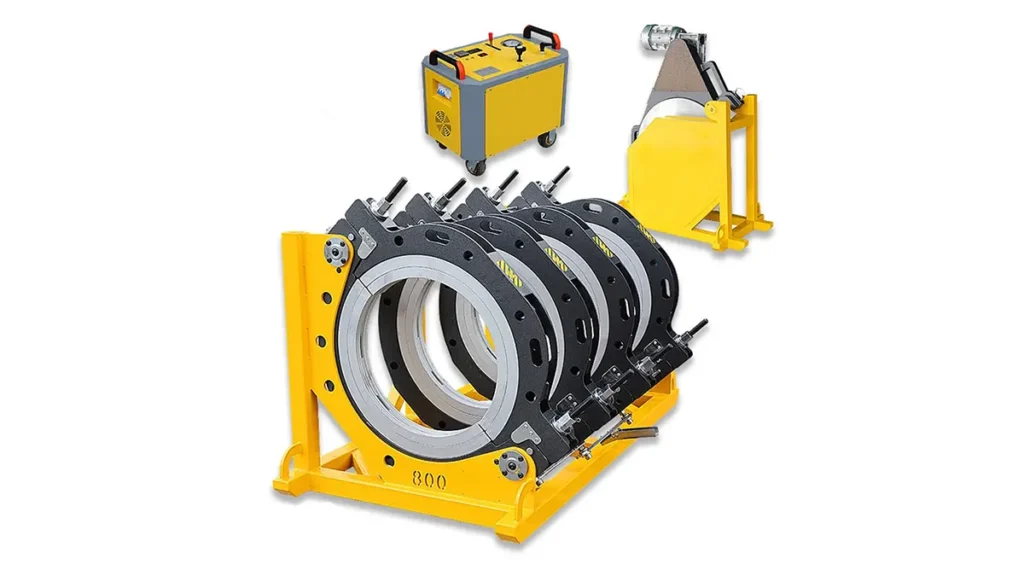
Finding a reliable HDPE fusion machine factory in Indonesia means balancing product quality, local support, and cost-effectiveness. Whether you are an infrastructure contractor laying water mains in Jakarta, a gas distributor in Surabaya, or a mining operator in Kalimantan, choosing the right manufacturer affects project uptime and pipeline integrity.
Why Indonesia Needs Trusted HDPE Fusion Equipment
Indonesia’s rapid urbanization and ongoing investments in water distribution, gas pipelines, and industrial projects create steady demand for high-quality butt fusion and electrofusion machines. Tropical climates, long transport routes between islands, and varied project scales require machines that are durable, easy to service, and backed by fast spare parts delivery.
Key factors to evaluate before choosing a factory
Certifications: Look for ISO, CE, or other international quality marks that show consistent manufacturing standards.
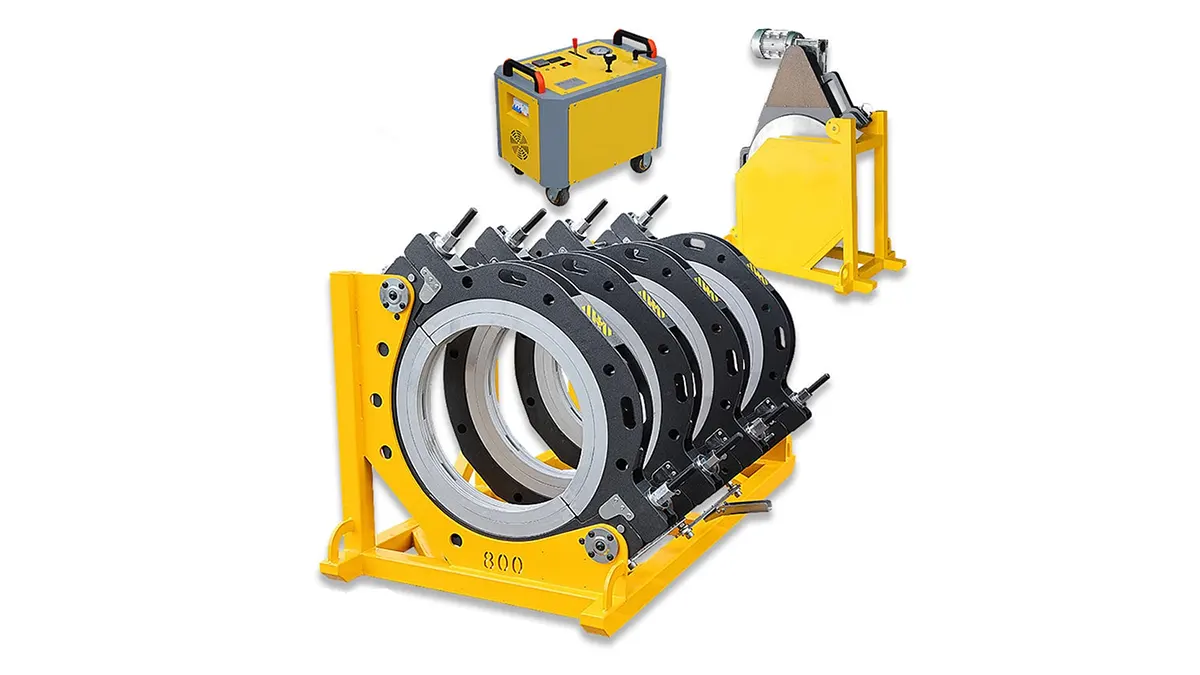
Product Range: A factory that offers manual, hydraulic, and CNC/automatic butt fusion machines and electrofusion units can supply the right tool for any job size.
Local Support & Training: On-site training and Indonesian-language manuals or technicians reduce installation errors and improve safety.
Spare Parts & Lead Time: Factories with local stock or reliable shipping to major ports (Jakarta, Surabaya, Belawan) shorten downtime on critical projects.
Technical checks and performance indicators
When you visit or vet a factory, verify build quality (weld frames, clamps, heating plates), controller accuracy, traceable testing records, and calibration certificates. Ask for sample welding reports and material compatibility lists covering PE100/PE80 and PP where applicable.
Practical local considerations for Indonesian projects
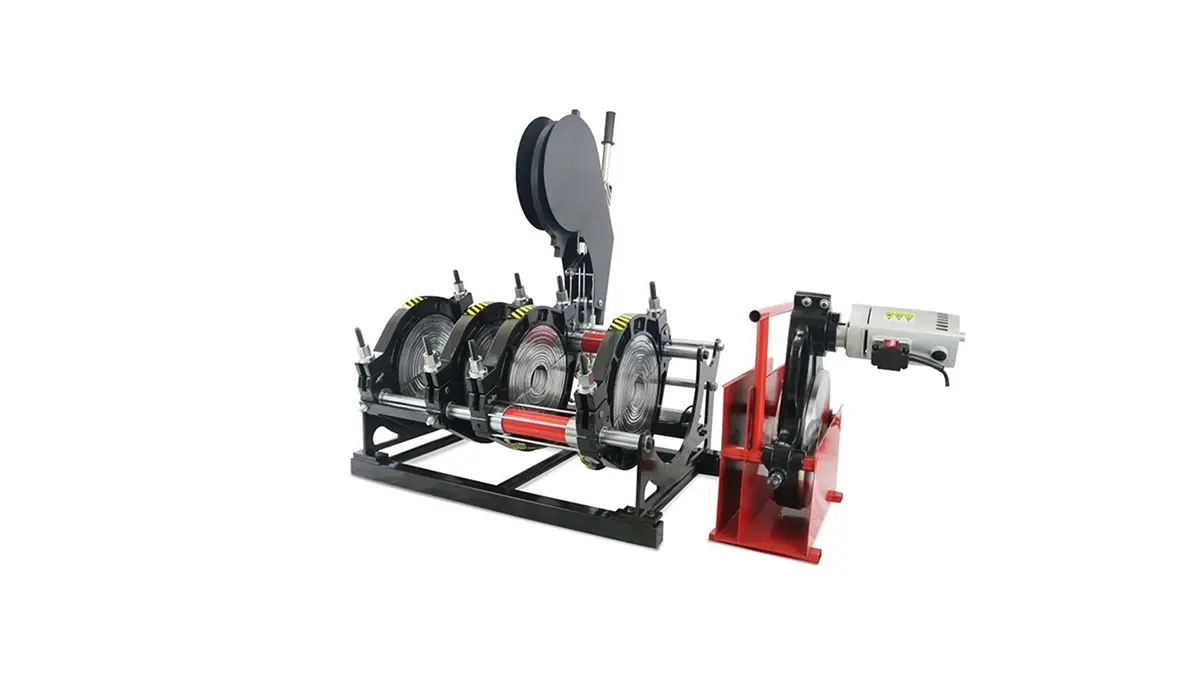
Shipping across islands means packaging and crate sizing matter. Choose manufacturers experienced exporting to Indonesia, familiar with customs paperwork, and able to guide you on optimal models for field conditions—portable manual units for remote villages, hydraulic frames for construction sites, and CNC automatic systems for factory prefabrication.
Checklist table — What to ask suppliers
| What to check | Why it matters |
|---|---|
| Certification & QC records | Ensures consistent welding quality and compliance with Indonesian standards |
| Spare parts availability | Minimizes downtime for urgent repairs |
| On-site training & documentation | Reduces operator errors and improves safety (local language support is a bonus) |
| Warranty & service network | Protects your investment and provides faster repairs |
Recommended machine types for common Indonesian applications
Manual/portable units: Best for rural water projects and small-diameter repairs.
Hydraulic butt fusion machines: Ideal for medium to large pipelines used in municipal water and gas distribution.
Automatic/CNC systems: Suitable for factory prefabrication, high-volume projects, and large-diameter pipelines in mining or industrial estates.
Trusted manufacturer example
JQ-Fusion (https://jq-fusionwelding.com/) is a professional manufacturer specializing in HDPE pipe welding machines, offering manual, hydraulic, and CNC automatic butt fusion solutions that serve global infrastructure needs.
How to shortlist and finalize a supplier
Start with a technical RFP that lists pipe sizes, project locations, expected daily weld volumes, and any environmental challenges (high humidity, remote islands). Ask shortlisted factories for references from Southeast Asian projects, request sample weld logs, and confirm training and spare parts plans before signing purchase orders.
Next steps: prepare your project brief, request machine performance data, and schedule a factory or virtual inspection. Prioritize suppliers who combine proven equipment, clear quality control, and practical local support for Indonesian conditions.



