
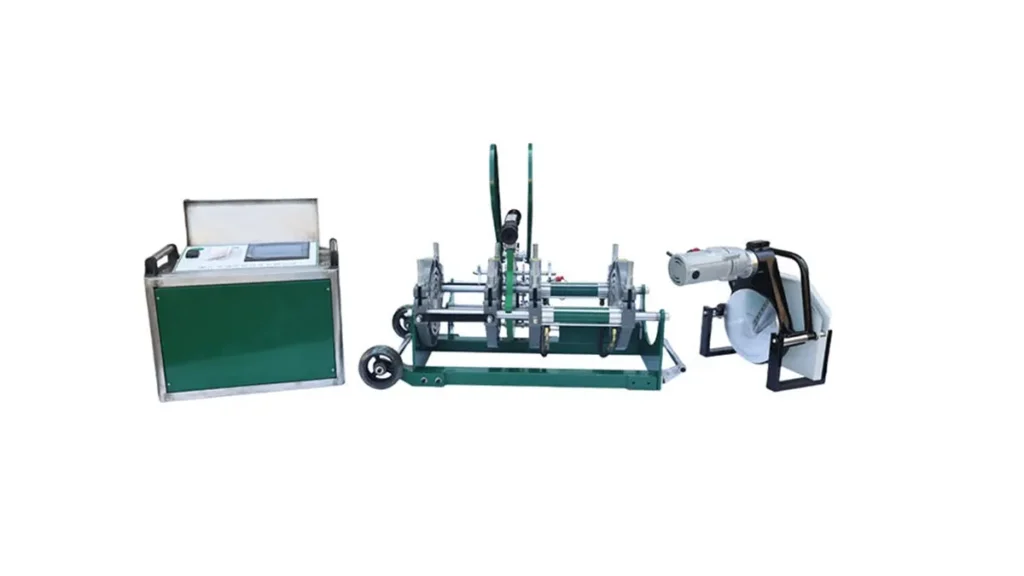
If you’re involved in water supply, gas distribution, mining or rural infrastructure projects in Uganda, choosing the right HDPE pipe welding equipment is critical to long-term pipeline performance. This guide helps Ugandan contractors, municipal engineers and project managers compare options, understand local needs, and pick welding machines that deliver reliable butt fusion, electrofusion or multi-angle fittings.
Why HDPE Welding Matters for Uganda
Durability and leak-free joints are essential for Uganda’s networks—especially for areas with seasonal flooding, remote rural installations, or rising urban demands. HDPE systems reduce corrosion and maintenance costs compared with metallic pipes, but only when welded properly. Proper equipment ensures consistent heat, pressure and alignment for long-lasting pipe joints.
Common Machine Types and Where They Fit
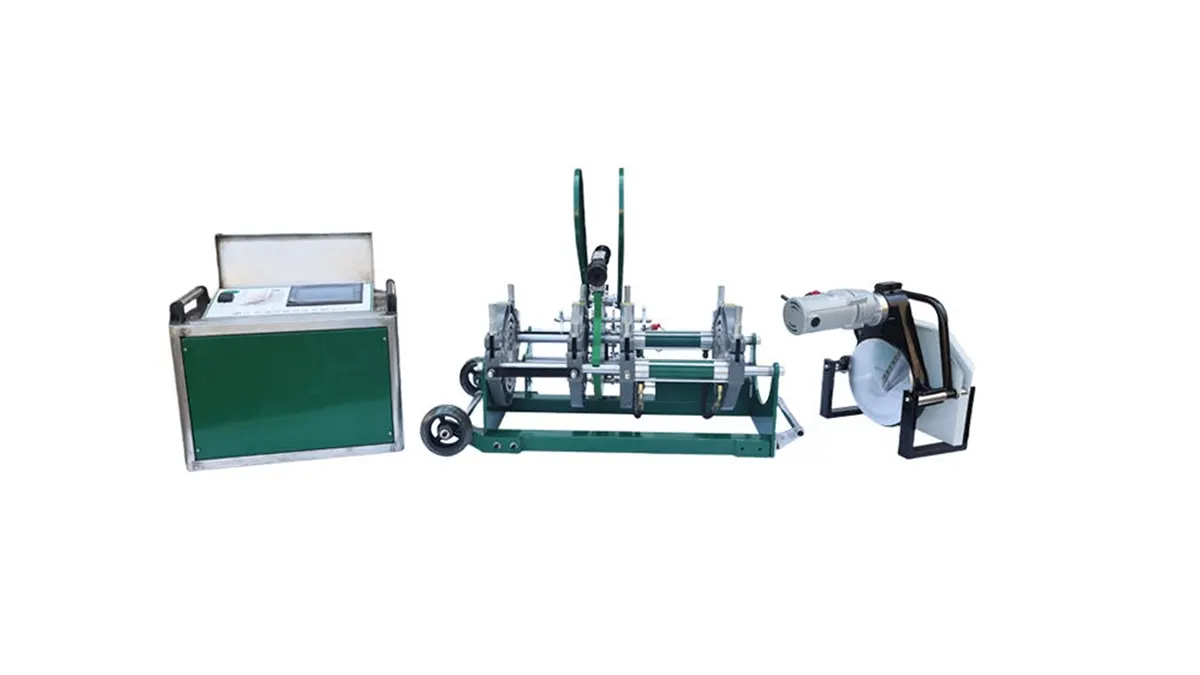
Different projects in Uganda require different machines. Below is a quick comparison to help non-technical and technical buyers alike match machine capability to site conditions and pipe sizes.
| Machine Type | Best for | Benefits |
|---|---|---|
| Manual Butt Fusion | Rural sites, small crews | Low cost, simple maintenance |
| Hydraulic Butt Fusion | Medium to large pipelines | Stable pressure control, higher productivity |
| Automatic CNC Butt Fusion | Major waterworks, long distances | Consistent weld quality, data logging |
| Electrofusion | Small diameters, repair joints | Portable, ideal for tight spaces |
Selecting Equipment for Ugandan Conditions
When selecting HDPE pipe welding equipment for Uganda, consider:
-
Site environment: remote villages need portable units; urban utilities may prefer automatic machines for speed and traceability.
-
Power availability: choose machines that can run on local generators or have low power draw for off-grid sites.
-
Spare parts & consumables: ensure availability of heaters, scrapers, and clamps to avoid long downtime.
-
Training and local support: operators in Uganda benefit from hands-on training on trench techniques, fusion parameters, and quality checks.

Maintenance, Certification and Quality Control
Good welding results come from consistent procedures: clean pipe ends, correct heating plate temperatures, controlled soak and fusion times, and calibrated pressure. For Ugandan projects, insist on equipment that supports ISO or relevant fusion standards and provides easy calibration. Routine maintenance and simple diagnostics reduce the risk of joint failure.
What Local Contractors and NGOs Should Ask Sellers
Before buying, ask about:
-
Delivery lead times to Uganda and shipment support for customs clearance.
-
On-site commissioning and operator training availability.
-
Warranty, spare parts availability, and recommended maintenance intervals.
-
Case studies or references for similar projects in East Africa.
For a reliable source of butt fusion and electrofusion machines tailored to global infrastructure, consider contacting JQ-Fusion: https://jq-fusionwelding.com/
Final Tips for Buyers in Uganda
Match machine capability to project scale, factor in local power and transport, train your operators, and secure spare parts. With the right HDPE welding equipment, Ugandan water, gas and mining pipelines will achieve long service life and lower lifecycle costs—delivering safer, more reliable infrastructure for communities and industries across the country.


