
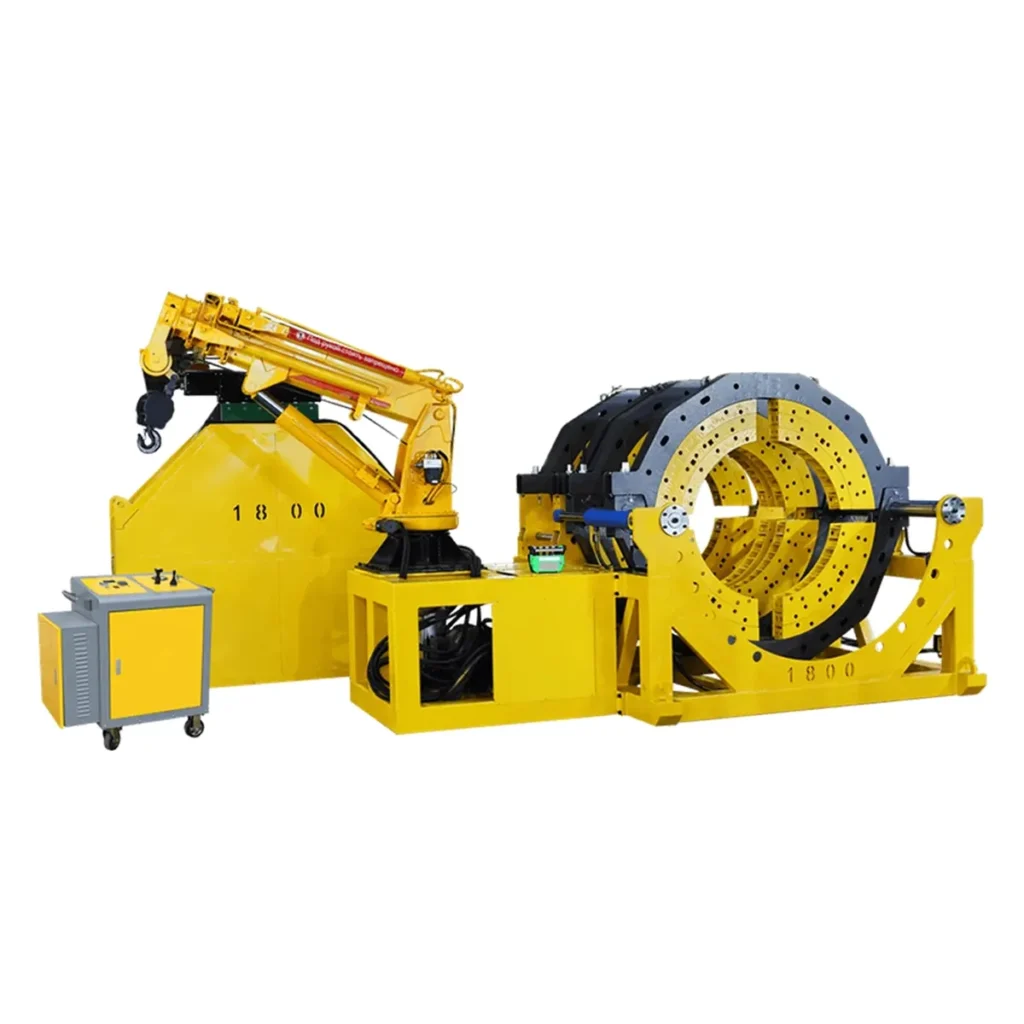
Understanding pipe fusion machine parameters is essential for choosing the right butt fusion equipment for HDPE and other thermoplastic pipelines. This guide walks you through the key technical specifications, explains why each parameter matters, and offers practical selection tips to match machines to project requirements.
What “Pipe Fusion Machine Parameters” Include
Pipe fusion machine parameters cover mechanical, thermal, hydraulic, and control specs. Typical categories are clamping range, heating plate size and temperature control, hydraulic pressure and flow, power supply, cycle time, alignment accuracy, and automation level. Each parameter affects weld quality, productivity, and suitability for different pipe diameters and site conditions.
Mechanical & Clamping Specifications
Clamping range (pipe diameter min–max) and clamp rigidity determine whether a machine can handle small service pipes or large-diameter trunk mains. Look for clear clamping tolerances, quick-change jaws, and a robust carriage system if you expect frequent size changes or heavy onsite handling.
Thermal Control & Heating Plate
Heating plate diameter and temperature uniformity directly influence melt bead formation and fusion integrity. Reliable machines offer precise temperature control, replaceable Teflon-coated plates, and sensors to monitor plate surface temps. Adequate plate size ensures full-face heating for the pipe diameters you will weld.
Hydraulic System & Pressure Parameters
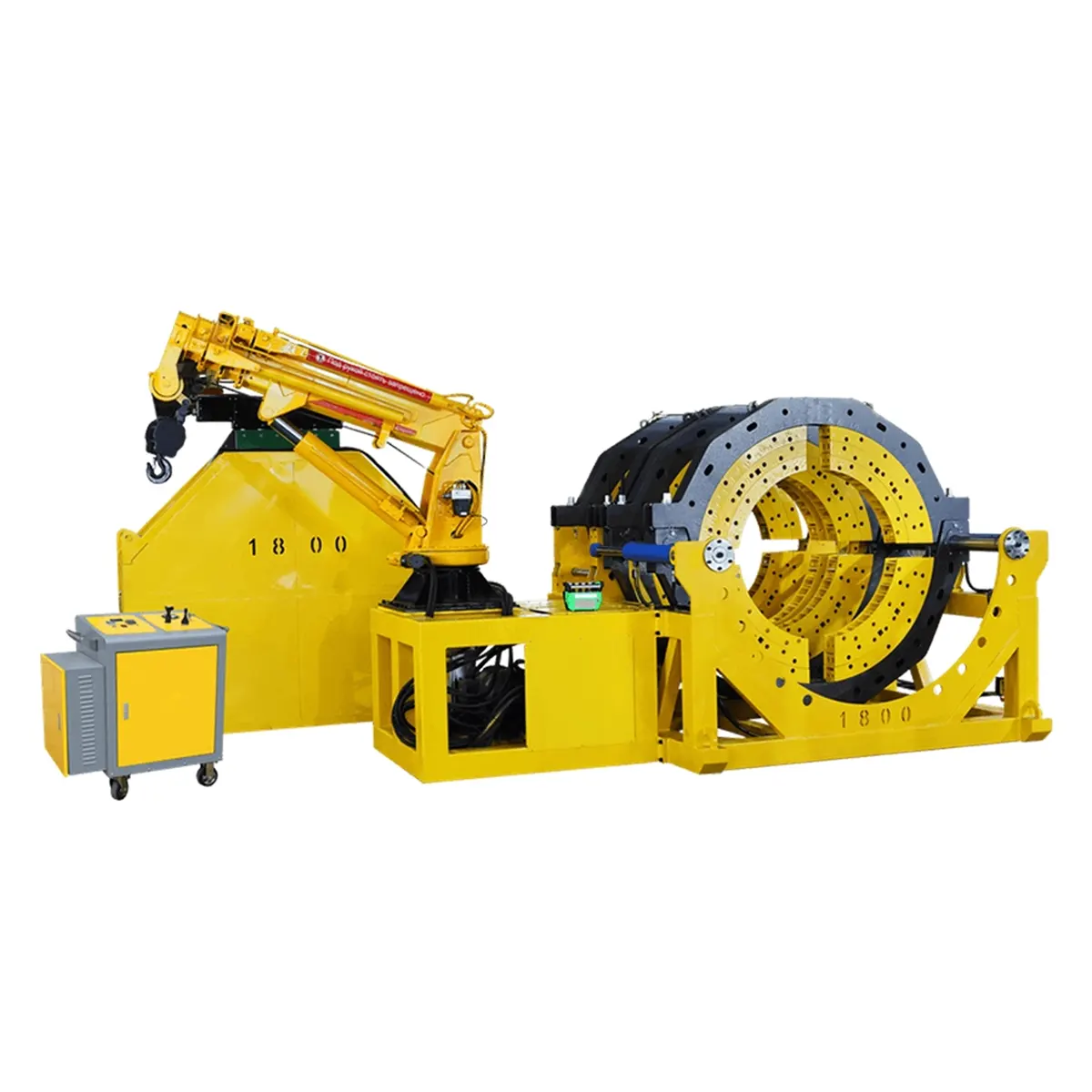
Hydraulic working pressure, flow rate, and cylinder stroke determine heating and fusion pressure control. For larger diameters or thicker walls, higher and stable hydraulic pressure is necessary. Check whether the pump is portable or trolley-mounted, and confirm the working pressure meets your material and ISO/ASTM fusion procedure needs.
Automation & Control Features
Automatic and CNC-controlled units provide programmable heating times, controlled soak and fusion cycles, and digital pressure/temperature readouts for repeatable joints. Semi‑automatic and manual machines are simpler and often more cost-effective for low-volume or remote work. Choose automation level based on project scale and required QA traceability.
Key Parameters Checklist (What to Compare)
Before buying, compare these critical specs across models and suppliers:
-
Pipe Diameter Range — ensure full coverage of present and near-future pipeline sizes.
-
Heating Plate Diameter & Temp Control — uniform heating and accurate temperature readings.
-
Max Working Pressure & Stroke — adequate for pipe wall thickness and fusion force.
-
Power Requirements — on-site electrical availability (single-phase vs three-phase, generator compatibility).
-
Cycle Automation — manual, semi-automatic, or fully automatic control for traceability and speed.
-
Portability & Weight — transport between sites and onsite maneuverability.
Representative Technical Specification Table
| Model | Pipe Range (mm) | Max Working Pressure | Heating Plate | Power |
|---|---|---|---|---|
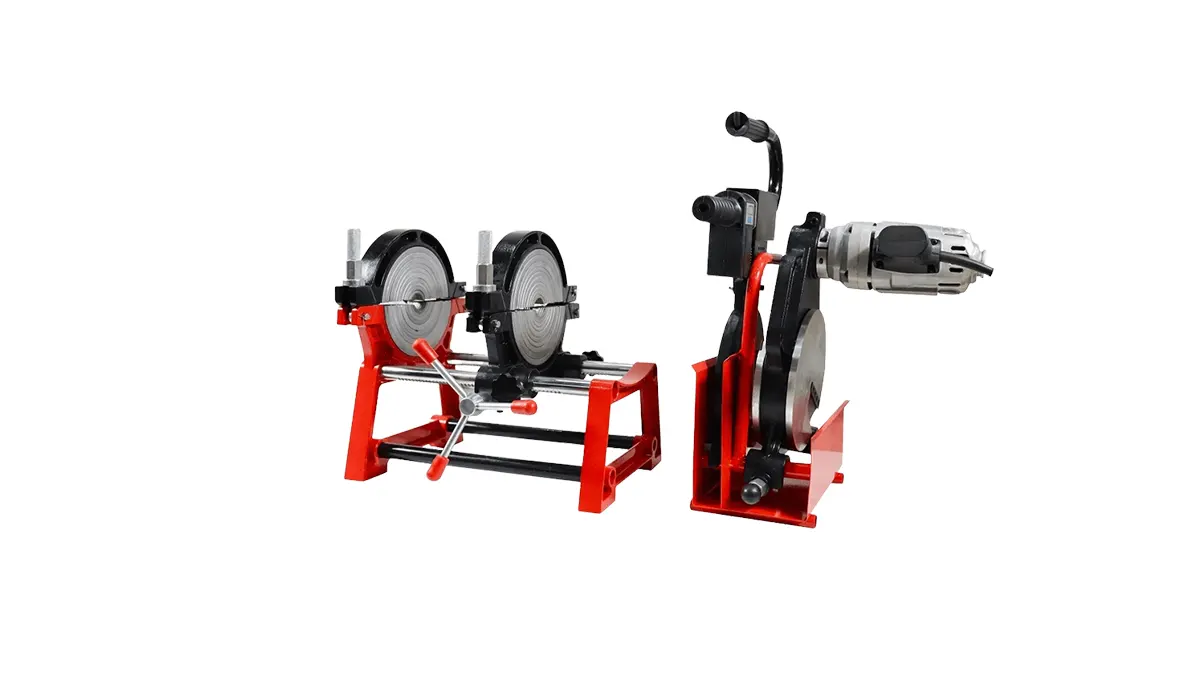
| Manual (example) | 20–250 mm | 10 MPa | Ø160 mm | Hand powered / low |
| Hydraulic (mid) | 63–630 mm | 16–20 MPa | Ø315 mm | 3 kW / 380V |
| Automatic CNC | 160–1250 mm | 20–25 MPa | Ø630–1250 mm | 7–15 kW / 3-phase |
Practical Selection Tips
Match Machine to Pipe Diameter and Wall Thickness
Always choose a machine whose clamping range fully covers your largest pipe plus a margin for fittings. For thick-walled HDPE or large diameters, prioritize higher hydraulic pressure and a larger heating plate to maintain consistent fusion parameters.
Consider On-site Conditions and Power
Remote or rural pipeline projects may lack three-phase power; select machines compatible with single-phase or generator power if needed. Portability and modular frames facilitate transport across rough terrain or tight urban sites.
Quality Assurance & Standards
Choose equipment that supports documented fusion procedures and produces measurable parameters (pressure, temperature, time) for traceability. Machines with digital logging or compatibility with third-party test methods simplify QA audits and long-term pipeline integrity records.
Maintenance & Spare Parts
Look for machines with accessible spare parts (heating plates, PTFE covers, hydraulic seals) and clear maintenance guides. This reduces downtime on long projects and lowers lifecycle costs.
Vendor Support & Training
Reliable after-sales support and operator training are critical. Verify that your supplier provides commissioning, operator instruction, and responsive spare parts distribution. JQ-Fusion offers a range of manual, hydraulic, and CNC automatic butt fusion machines and can support customized configurations and training for onsite teams.
Quick Decision Flow (One-line Rules)
If projects are frequent and large-diameter: choose hydraulic or automatic CNC. If occasional or remote: manual or portable hydraulic. For strict QA needs: automatic with data logging.
Final Reminders
Focus on weld repeatability, the match between machine capacity and pipe specifications, and the supplier’s ability to provide spare parts and technical support. Selecting the right fusion machine up front reduces rework, enhances safety, and ensures long-term pipeline performance.



