
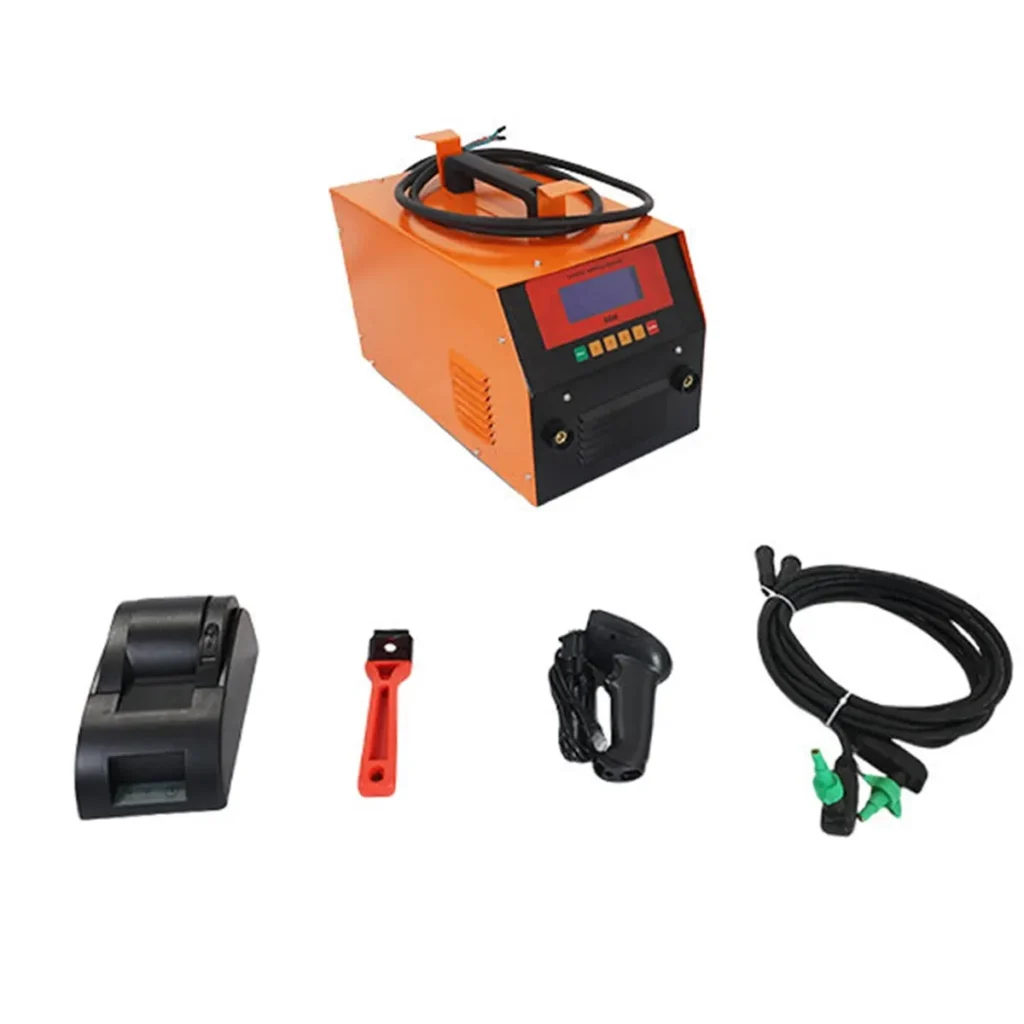
Denmark’s infrastructure projects demand pipe-joining solutions that combine durability, precision, and compliance — especially for water utilities, district heating networks, and renewable energy installations. This guide explains why electrofusion welding machines are an ideal choice for Danish contractors, utility teams, and pipeline installers seeking consistent joints in HDPE systems, and how to select a reliable wholesaler for long-term success.
Why Electrofusion Works Well for Danish Pipelines
Electrofusion offers controlled heating and repeatable results, which is critical in Denmark where cold climates, seasonal ground movement, and strict EU/DS (Danish Standards) requirements affect pipeline performance. Contractors benefit from:
-
Consistent joint quality — automated heating cycles reduce human error and ensure homogeneous welds.
-
Fast installation — on-site fittings and repairs are quicker than some mechanical joining methods, limiting disruption on urban projects.
-
Versatility — compatible with a wide range of HDPE fittings used in municipal water, gas, and district heating networks.
What Danish Buyers Should Look For
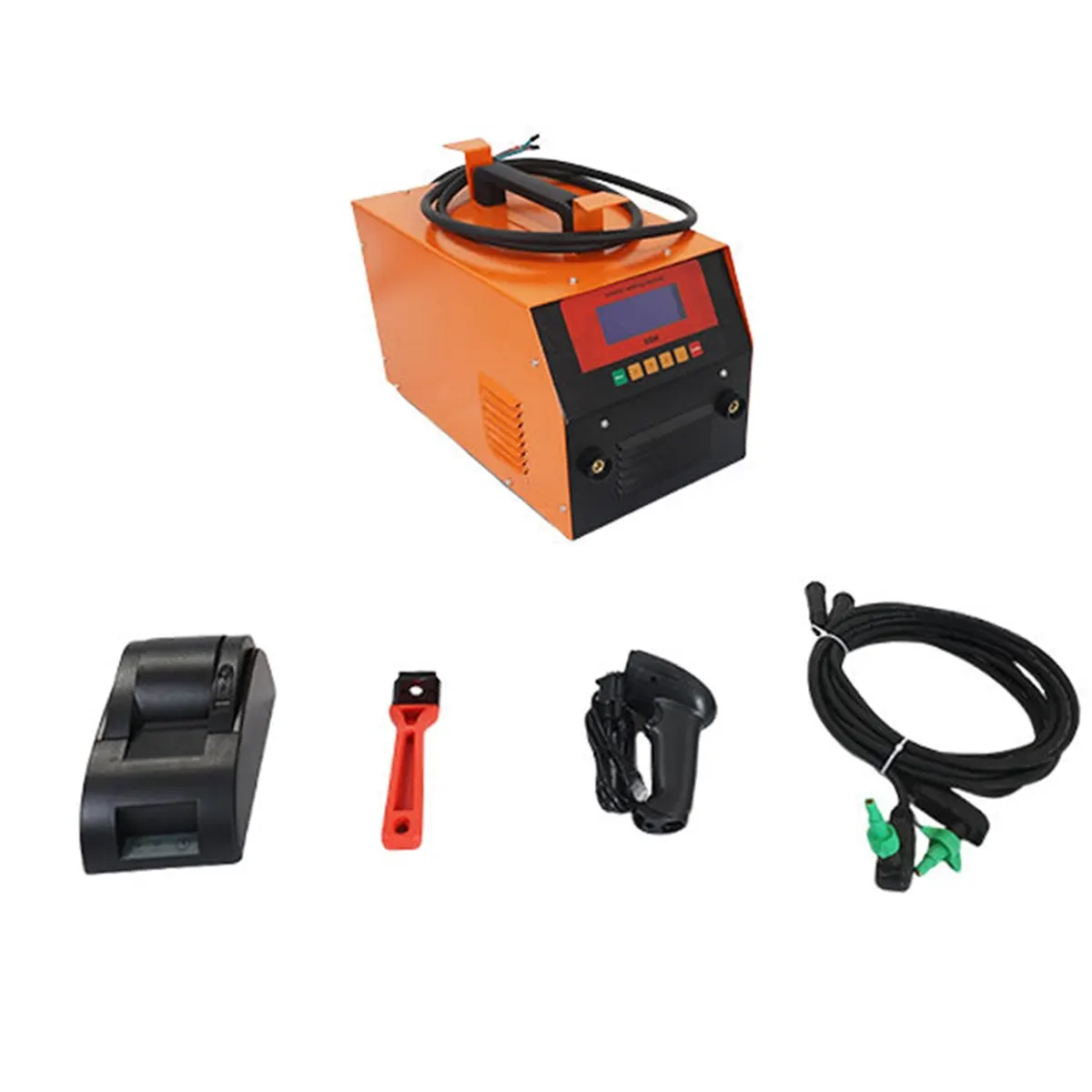
When sourcing an electrofusion welder in Denmark, focus on units that offer robust construction for field work, clear welding records for quality assurance, and service support that can respond across municipalities and remote sites. Look for features like portable control units, built-in diagnostics, and compatibility with standard fusion fittings used in Scandinavia.
Key Selection Criteria
-
Traceability: Machines that log weld data help satisfy regulatory audits and long-term maintenance plans.
-
Portability & Durability: Lightweight, weather-resistant designs suit on-site jobs in coastal and rural areas.
-
Service & Spare Parts: Rapid replacement of consumables and local technical support minimize downtime.
Quick Comparison — Electrofusion Machines
| Model Type | Pipe Range | Best For | Notes |
|---|---|---|---|
| Portable Electrofusion Unit | 20–160 mm | Service teams, repairs | Lightweight, battery-powered options |
| Bench / Workshop Machine | Up to 630 mm | Prefabrication shops | Stable platform for high-volume welding |
| Automatic Control Systems | Wide | Large projects, traceability | Data logging and guided welds |
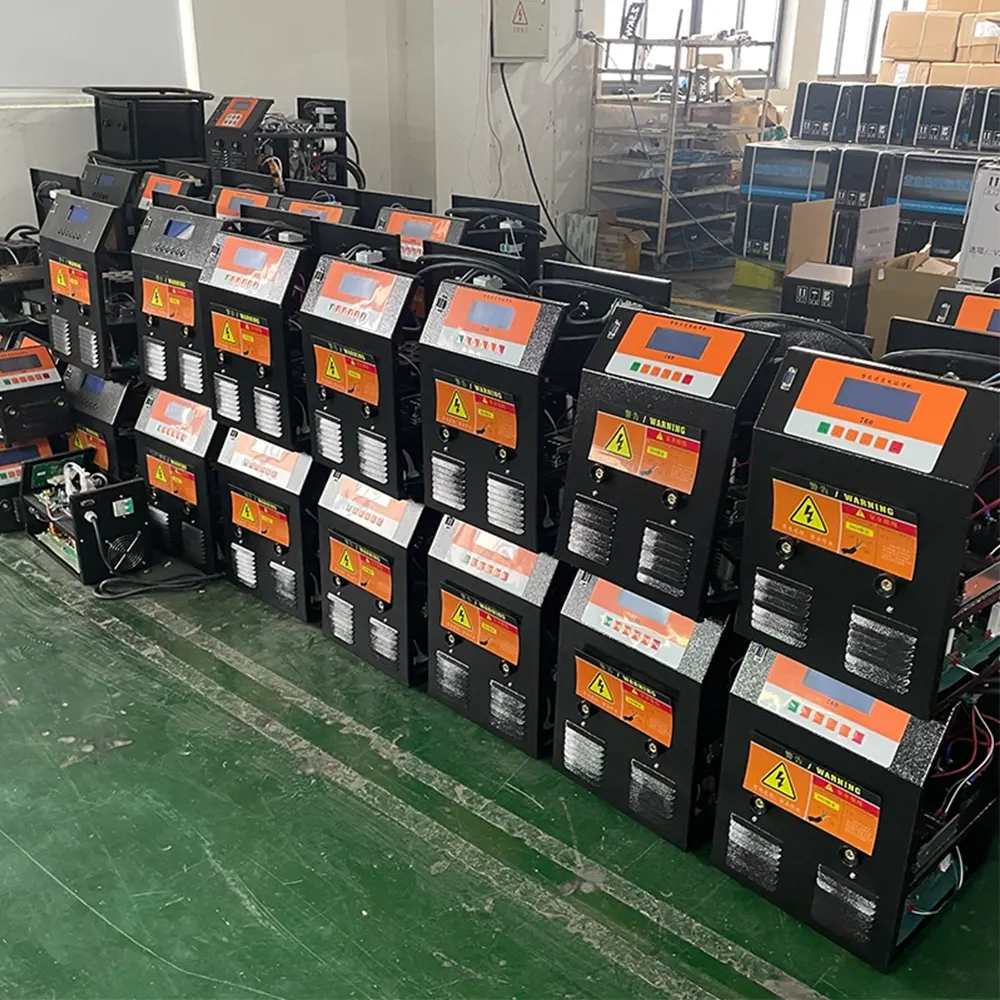
Applications in Danish Sectors
Electrofusion systems are widely used across Denmark’s key sectors:
-
Municipal Water & Wastewater: Long-life HDPE mains and service connections that resist corrosion and frost-related damage.
-
District Heating & Renewables: Reliable joints for buried networks that deliver heat and support decarbonization goals.
-
Gas Distribution & Industrial: Safe, leak-tight connections compatible with regulatory inspections.
Local Considerations for Denmark
Danish projects often emphasize sustainability, lifecycle performance, and compliance with EU and local standards. Contractors should choose equipment that minimizes energy use during operations, provides robust documentation for audits, and integrates with existing site safety practices. The ability to operate efficiently during Denmark’s colder months is also an advantage.
Partnering with a Trusted Wholesaler
Choose a wholesaler that stocks a range of electrofusion machines, offers training for field teams, and supports warranty and spare parts distribution across Denmark. Consider suppliers with proven export experience and a record of supplying municipal and industrial projects.
About the Supplier
JQ-Fusion specializes in HDPE welding equipment including electrofusion and butt fusion machines, offering models suitable for field work and prefabrication to meet varied infrastructure needs worldwide.
Next Steps for Danish Buyers
Request detailed specifications, weld procedure documentation, and references from local projects. Arrange a demonstration or trial to confirm ease of use and data logging features. Prioritize partnerships that provide technical support and fast access to consumables across Denmark.



