
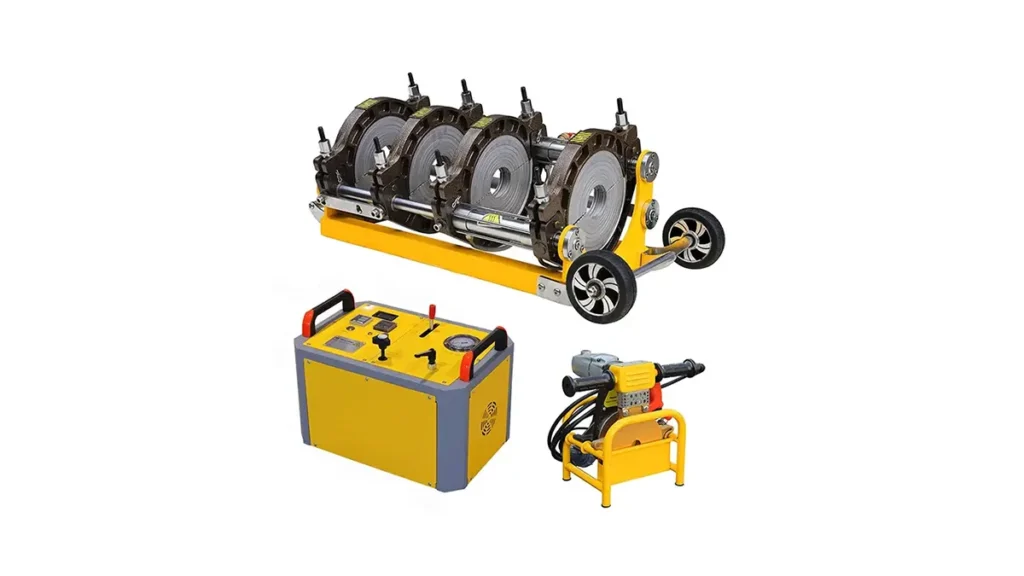
Kenya’s expanding infrastructure needs — from county water networks to urban gas distribution — are driving demand for reliable plastic pipe welding machines. Contractors, municipal engineers, and development NGOs in Nairobi, Mombasa, Kisumu and rural counties need robust HDPE pipe welding solutions that perform well in varied climates and remote sites.
Why Butt Fusion Machines Are Ideal for Kenyan Projects
Butt fusion welding delivers leak-free joints, corrosion resistance, and long-term durability — qualities essential for Kenya’s water supply, irrigation schemes, and gas pipelines. These machines work well with HDPE and PE piping used across urban and rural installations, and they withstand seasonal rains and temperature swings common in East Africa.
Types of Pipe Welding Machines Available
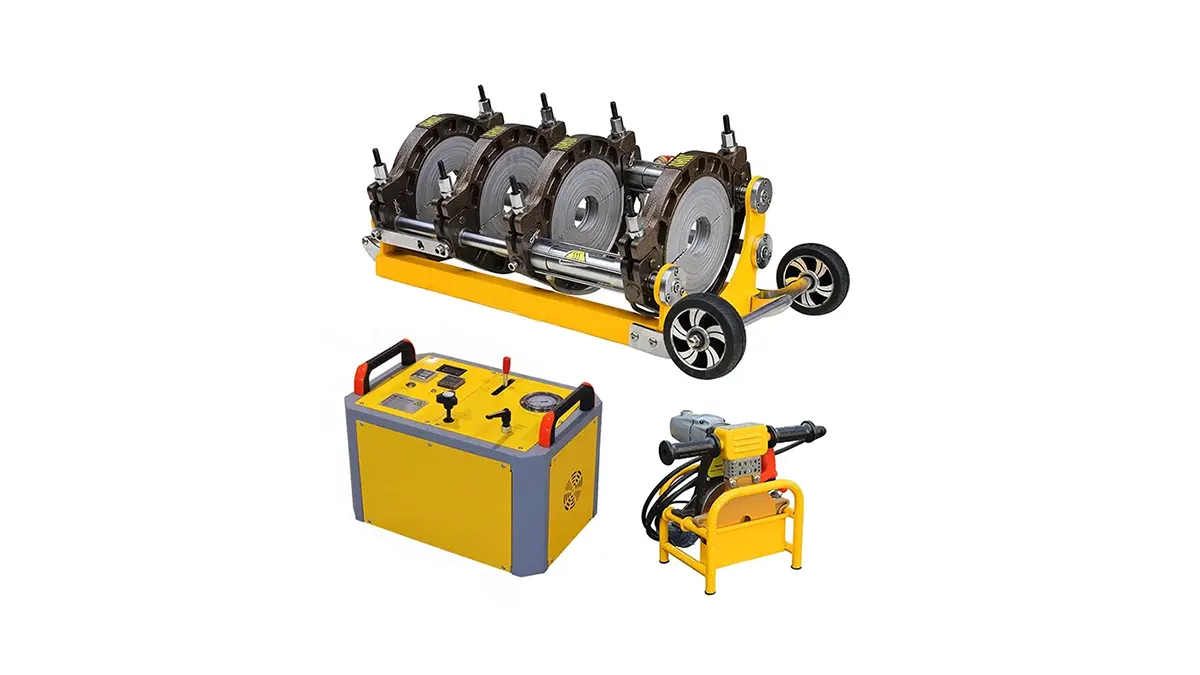
Choosing the right machine depends on project scale and site conditions. Common types used in Kenya include:
-
Manual butt fusion machines — portable and cost-effective for small jobs and field repairs.
-
Hydraulic butt fusion machines — offer higher clamping force for mid to large diameter pipes used in municipal and industrial pipelines.
-
Automatic/CNC butt fusion machines — precise control for long production runs and critical infrastructure projects.
-
Electrofusion units — ideal for fittings and connections where space or geometry limits butt fusion access.
Key Features Kenyan Buyers Should Prioritize
| Feature | Why It Matters |
|---|---|
| Portability | Easier to deploy across remote rural sites and temporary camps. |
| Durable Materials | Resists corrosion and rough handling on construction sites. |
| User-Friendly Controls | Reduces training time for local technicians and community teams. |
| Spare Parts Availability | Minimizes downtime and speeds up repairs when working on county or NGO projects. |
Maintenance, Training & Local Support in Kenya
Successful deployment in Kenya depends on after-sales support: preventive maintenance schedules, readily available consumables (heating plates, trimming tools), and practical training for local welders. Mobile service teams that travel to county sites and on-site training sessions for community technicians are highly valuable for long-term project success.
Selecting the Right Machine for Your Kenyan Project
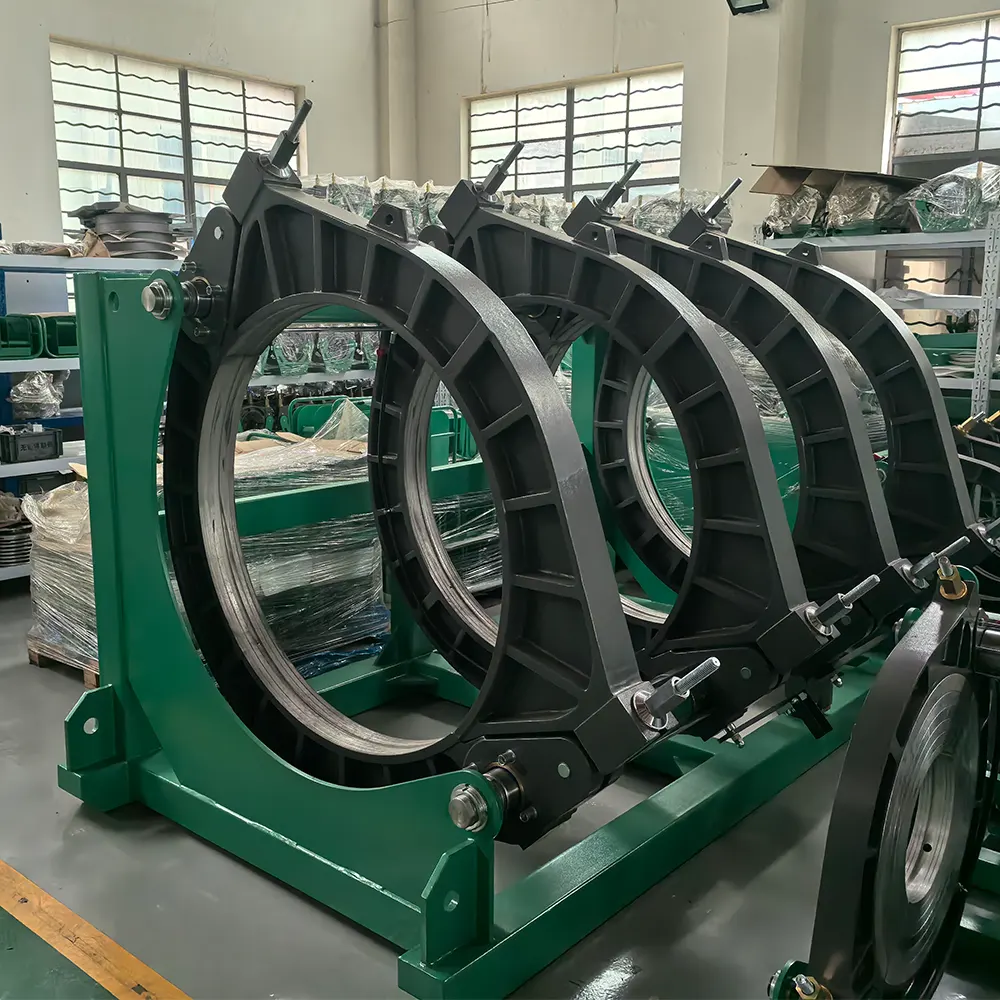
Match machine capacity to pipe diameters and daily joint targets. For small rural water systems, a manual or light hydraulic unit may be sufficient. For county-level supply networks or industrial projects near Nairobi and Mombasa, consider hydraulic or automatic CNC machines that improve consistency and throughput.
Other local considerations:
-
Transport access and site terrain — prefer compact frames when roads are poor.
-
Power source reliability — models with low power consumption or flexible power options are useful in off-grid locations.
-
Climate resilience — ensure components tolerate dust and humidity typical of coastal and inland Kenya.
Manufacturer & Procurement Notes
JQ-Fusion offers a broad range of HDPE butt fusion machines, spare parts, and training options that suit Kenya’s mixed project needs — from municipal waterworks to irrigation programs and gas networks. When procuring, confirm shipping timelines, customs clearance support, and local technical training packages to avoid delays on site.
Final Tips for Contractors and Engineers in Kenya
Plan welding schedules around weather windows, maintain a basic spare parts kit on-site, and invest in hands-on training for local crews. Reliable equipment selection and good support networks reduce rework, lower lifecycle costs, and ensure long-lasting, leak-free pipe systems for Kenyan communities.



