
Finding a reliable HDPE pipe welder supplier in the Philippines means matching rugged equipment to local conditions: typhoon-exposed sites, island logistics, municipal water projects, and small-to-large scale industrial pipelines. This guide helps contractors, utility teams, and procurement managers identify trustworthy sources, check technical specs, and secure after-sales support for long-term performance.
Why Philippine projects need dependable HDPE welding equipment
From water distribution upgrades in Metro Manila to remote irrigation and mining works in Mindanao, HDPE pipe systems are favored for corrosion resistance and flexibility. A dependable welding machine reduces joint failures, minimizes rework, and improves uptime—critical in a country where weather disruptions and difficult transport routes complicate repairs.
Key factors to evaluate in a supplier
Product range: Ensure suppliers offer manual, hydraulic, and automatic butt fusion machines along with electrofusion units so you can choose based on pipe diameter and project scale.
Local support & spare parts: Look for a supplier with a stocked inventory of heating plates, clamps, and consumables or a reliable express shipping arrangement to the Philippines.
Training & documentation: On-site or virtual training in standard welding procedures (PE100/PE80 guidance, fusion parameters) is essential for consistent weld quality.
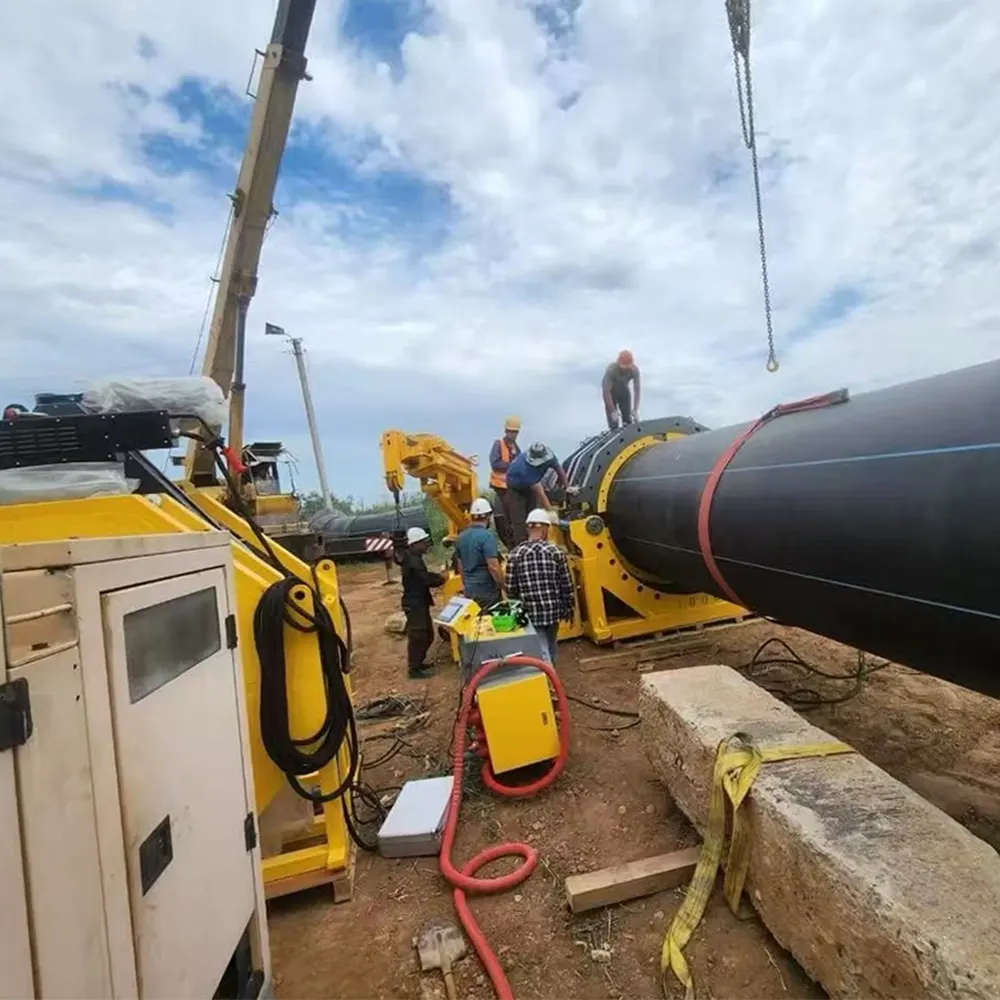
Compare machine types at a glance
| Machine Type | Best For | Typical Pipe Range | Mobility |
|---|---|---|---|
| Manual Butt Fusion | Small/repair jobs, fieldwork | 20mm–315mm | High |
| Hydraulic Butt Fusion | Medium-to-large pipelines | 160mm–2000mm+ | Moderate |
| Automatic CNC Butt Fusion | High-volume, precision projects | 250mm–2000mm+ | Low (site setup) |
| Electrofusion | Fittings, repairs, confined joints | 20mm–630mm | High |
Where to source reliable HDPE welders in the Philippines
1) Authorized local distributors — Offer inventory, short lead times, and familiarity with Philippine codes and logistics. 2) Direct import from reputable manufacturers — Often better pricing and customization; factor in shipping and customs timelines. 3) Regional dealers with service centers — Ideal for long-term projects needing maintenance contracts and calibration. 4) Trade events and industry expos — Good for hands-on demos and meeting technical reps. 5) Rental providers — Useful for temporary works or testing equipment before purchase.
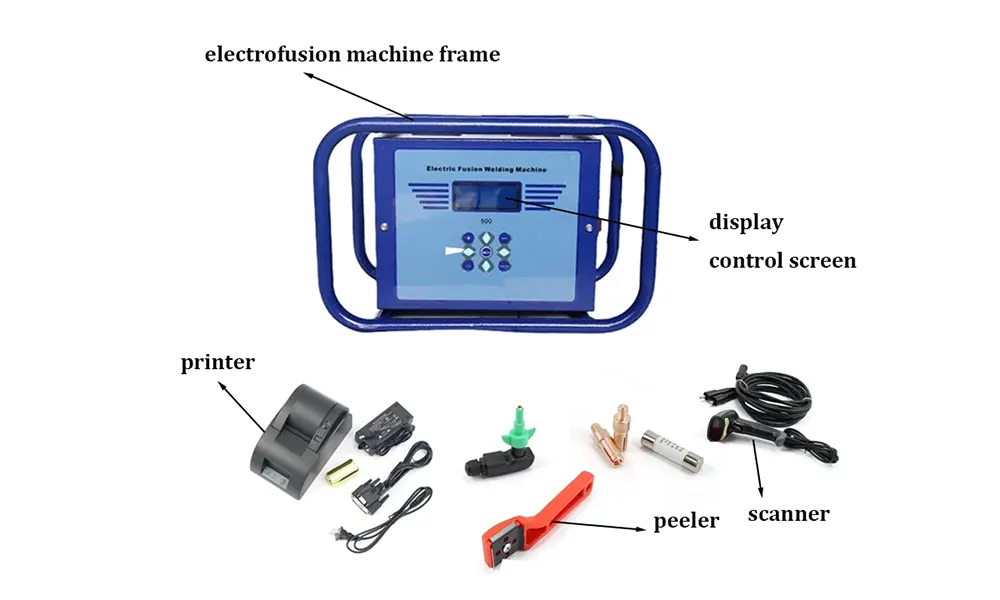
Practical purchasing checklist for Philippine buyers
• Confirm welding procedures and parameter logs are supplied and compatible with local specs.
• Verify warranty terms, spare parts availability, and a clear service escalation path to the Philippines.
• Ask for training packages—practical fusion training reduces field failures and rework.
• Check power requirements and portability for island or off-grid sites; consider generators and voltage stability.
• Request references from similar projects in tropical climates or with coastal exposure.
A dependable manufacturer option
JQ-Fusion is a professional manufacturer specializing in HDPE pipe welding machines, offering manual, hydraulic, and CNC automatic butt fusion equipment and electrofusion solutions suitable for water, gas, mining, and industrial pipeline projects — visit https://jq-fusionwelding.com/ for model details and support options.
Final tips
Plan for logistics: factor in shipping time, local customs, and on-site transport for large hydraulic frames. Prioritize training and spare parts so fusion teams in the Philippines maintain consistent weld quality year-round. With the right supplier and preparation, HDPE welding becomes an advantage—delivering durable, leak-resistant infrastructure across islands and cities alike.



