
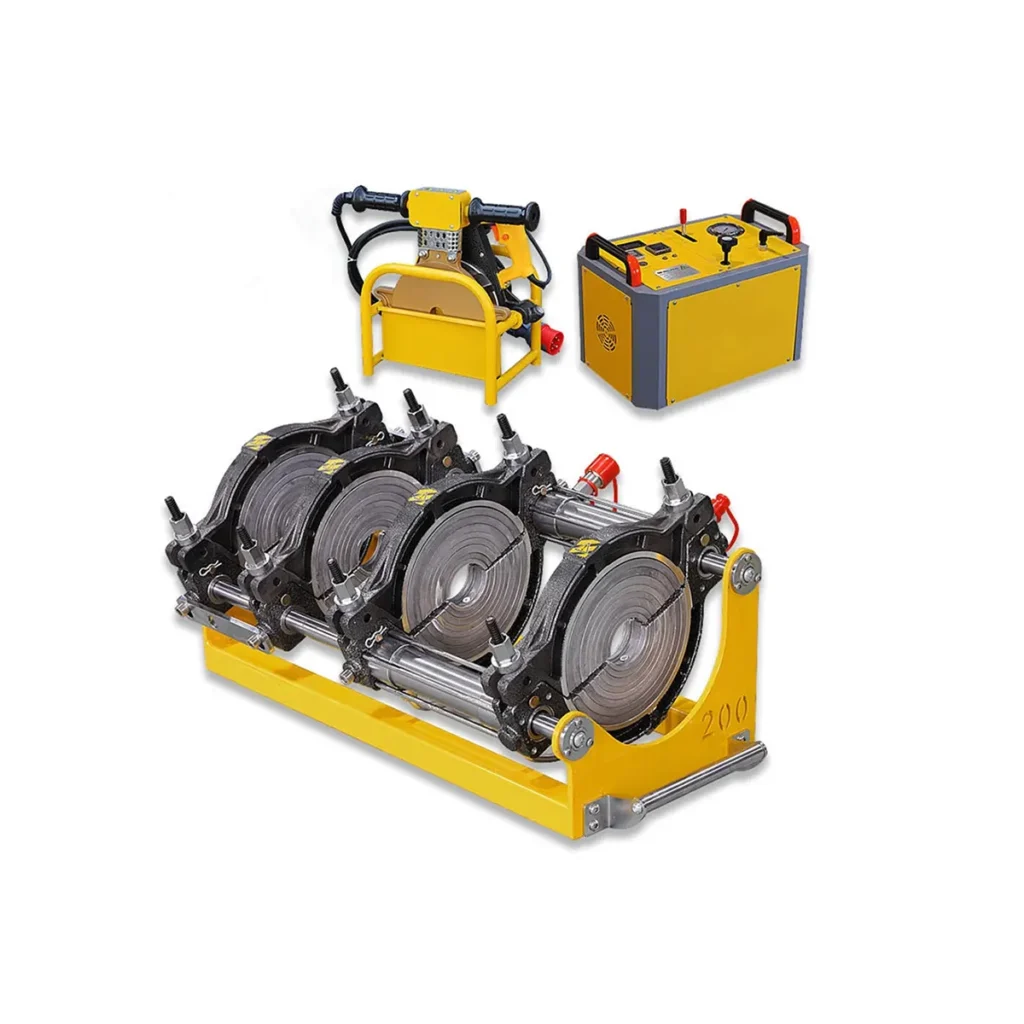
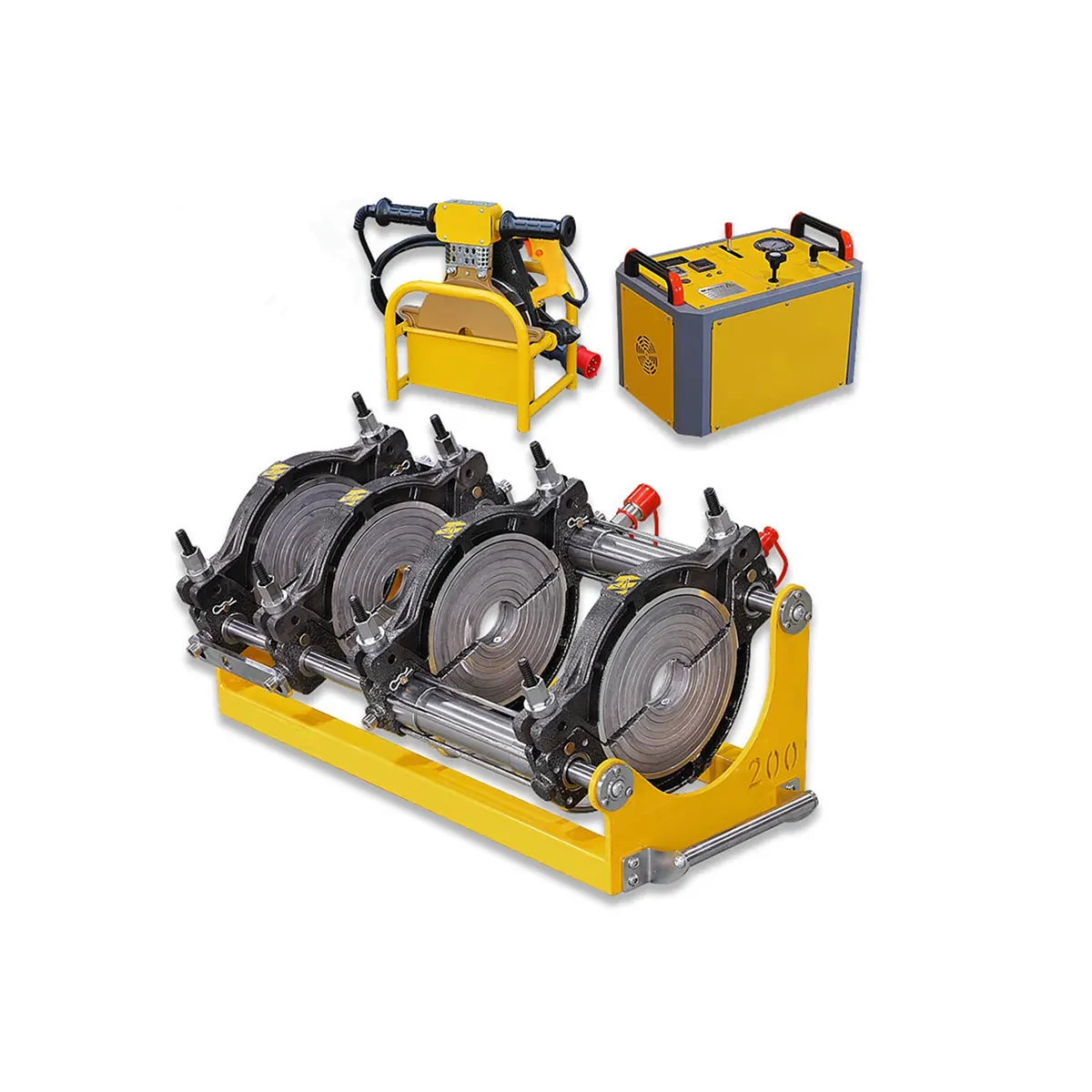
A practical PE gas pipe welding machine safety inspection checklist helps site supervisors, technicians, and gas utilities reduce risk, improve joint integrity, and meet regulatory requirements. This guide breaks down a clear, actionable inspection routine for HDPE butt fusion and electrofusion equipment so teams can spot hazards, verify machine condition, and document compliance efficiently.
Why Regular Inspections Matter
Gas distribution systems demand leak-free connections and dependable equipment. Regular inspections of PE gas pipe welding machines ensure the heating plate, clamps, hydraulic system, and control electronics perform reliably. Inspections also protect crews from fire, gas exposure, and mechanical injuries while preserving warranty and audit records.
Key Safety Goals
- Prevent gas leaks by ensuring welds meet fusion parameters.
- Minimize burn and pinch hazards around heating elements and clamps.
- Verify hydraulic and electrical systems are free from failures that could cause uncontrolled movement.
- Keep traceable records for maintenance, training, and regulatory inspections.
Pre-Inspection Preparation
Before starting any inspections, secure the work area, isolate gas lines if applicable, and make sure personnel wear appropriate PPE. Confirm machine manuals and welding procedure specifications (WPS) are on-site for reference.
Essential PPE
- Insulated gloves and safety boots
- Eye protection and face shield when trimming or scraping
- Gas detectors in enclosed or trench environments
- Hearing protection where hydraulic pumps run continuously
Comprehensive Inspection Checklist (Printable Table)
| Item | What to Check | Pass / Fail | Notes / Action |
|---|---|---|---|
| Heating Plate | Surface clean, no warping, temperature sensor calibrated | Replace or recalibrate if inconsistent | |
| Clamps & Jaws | Firm grip, no bent pins, smooth sliding action | Service or replace damaged components | |
| Hydraulic System | No fluid leaks, correct pressure, hoses intact | Top up fluid; repair leaks before use | |
| Control Unit | Displays functional, buttons responsive, saved parameters correct | Update firmware/calibrate sensors as required | |
| Power & Cabling | Secure connections, insulation intact, emergency stop works | Replace damaged cables; test E-stop monthly | |
| Tools & Accessories | Trimmer blades sharp, scrapers clean, alignment tools present | Replace worn accessories; keep spares on-site |
Step-by-Step Inspection Process
Use this routine before the first weld of the day and after any unusual events (drops, collisions, transport).
- Visual check: Walk around the machine to identify obvious defects, loose guards, or foreign objects.
- Power on and confirm control unit boots correctly and shows expected parameters.
- Run a test heating cycle with no pipe to verify temperature stability and alarm responses.
- Inspect and test hydraulic pressures under light load; listen for unusual noises.
- Verify emergency stop, foot pedal, and any interlocks function reliably.
- Document readings and any repairs in the machine log before welding starts.
Common Defects & Corrective Actions
| Symptom | Likely Cause | Immediate Action |
|---|---|---|
| Uneven fusion bead | Incorrect alignment or inconsistent temperature | Stop welding, realign pipes, verify heater temp profile |
| Hydraulic drift or slow movement | Air in system, worn seals | Bleed/purge hydraulic lines; schedule seal replacement |
| Heater plate fails to reach setpoint | Thermostat or element fault | Replace heating element; do not weld until corrected |
Gas-Specific Inspection Notes
When welding PE for gas distribution, strict adherence to certified welding parameters is critical. Use only approved WPS for PE gas systems, test fusion equipment regularly, and ensure that traceability of joints (operator, machine ID, date/time, parameters) is maintained.
Gas Trench & Confined Space Considerations
- Continuous gas monitoring in confined trenches during operations.
- Ventilation and emergency rescue plans ready for underground work.
- Permit-to-work systems for hot work near gas lines (even if lines are isolated).
Maintenance Schedule & Recordkeeping
Establish a maintenance calendar with daily, weekly, monthly, and annual tasks. Keep a dedicated log for each machine including serial number, inspection dates, defects found, corrective actions, and operator signatures. Records support audits and warranty claims.
Sample Maintenance Timeline
- Daily: Visual check, heater plate preheat test, E-stop validation.
- Weekly: Hydraulic fluid level, clamp lubrication, cable inspection.
- Monthly: Sensor calibration check, full function test, accessory inventory.
- Annually: Professional service—hydraulic overhaul, electrical inspection, calibration certificates.
Final Pre-Weld Quick Checklist (For Operators)
| Machine ID & Date | |
| Operator Name | |
| Heater Temp Verified | Yes / No |
| Hydraulics Leak Check | Yes / No |
| PPE Worn | Yes / No |
Training & Certification
Ensure operators are trained on both welding technique and the machine-specific inspection routine. Periodic refresher training and competency assessments improve weld quality and safety outcomes.
Manufacturer & Service Note
For spare parts, calibration services, or tailored training programs, contact JQ-Fusion for authorized components and technical support tailored to HDPE gas pipe welding equipment.
Quick Tips for Field Teams
- Keep a small repair kit and spare sensors on-site to minimize downtime.
- Use mobile forms or photos to attach evidence to inspection logs for faster audits.
- Label machines with last-service date and next due inspection sticker.
Following this PE gas pipe welding machine safety inspection checklist helps teams reduce risk, ensure weld integrity, and document compliance—creating safer, more reliable gas distribution projects.



