
Norway’s challenging terrain and demanding infrastructure projects require reliable plastic pipe welding solutions that perform in cold weather, remote fjord-side sites, and urban trench works. As a specialist in HDPE pipe welding equipment, JQ-Fusion supplies butt fusion machines and electrofusion options designed for Norway’s water utilities, gas distribution, and industrial pipeline contractors.
Why Norwegian Contractors Prefer Purpose-Built Pipe Welding Machines
Norwegian projects prioritize durability, repeatable joint quality, and ease of transport between remote locations. Machines that combine steady hydraulic power, accurate alignment, and user-friendly controls reduce rework in subzero conditions and rocky terrain. For municipal water networks and gas pipelines, consistent fusion strength and traceable weld records are essential.
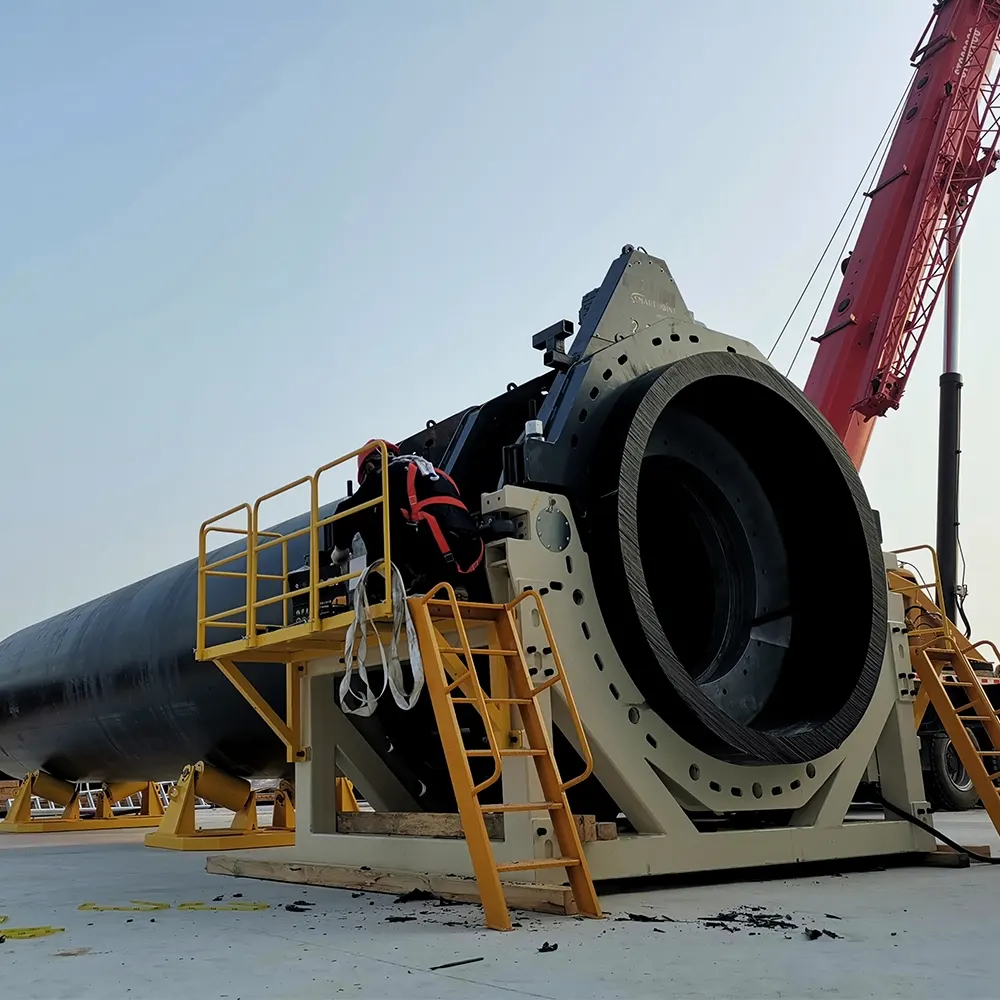
Key Features to Look For
Cold-weather readiness: robust hydraulics and insulated control panels to avoid freeze-related faults.
Mobility: compact frames or skid-mounted units that fit narrow fjord roads and construction lifts.
Precision controls: temperature, pressure and time settings with data logging for compliance and warranty records.
Practical Benefits on Norwegian Sites
Reduced downtime on coastal and mountain projects, easier certification for inspectors, and improved first-pass fusion rates all translate to lower total project costs. Machines tailored to a wide range of diameters simplify inventory and reduce the need for subcontracted welding services in remote municipalities.
Comparison Table — Typical Machine Types
| Machine Type | Typical Pipe Range (mm) | Best For | Primary Advantage |
|---|---|---|---|
| Manual Butt Fusion | 20–400 | Small crews, tight sites | Simple, cost-effective |
| Hydraulic Butt Fusion | 90–2250 | Large-diameter pipelines | High force & stability |
| CNC / Automatic Butt Fusion | 160–1250 | High-volume production | Consistent, logged welds |
| Electrofusion Unit | 32–630 fittings | Service connections, repairs | Fast onsite joints |
Selecting the Right Machine for Norway
Match capacity to your typical project diameter and consider how often crews relocate between sites. For coastal and Arctic-adjacent regions, choose models with robust sealing and low-temperature-tested components. Where jobsite space is limited, a modular or portable unit will save setup time.
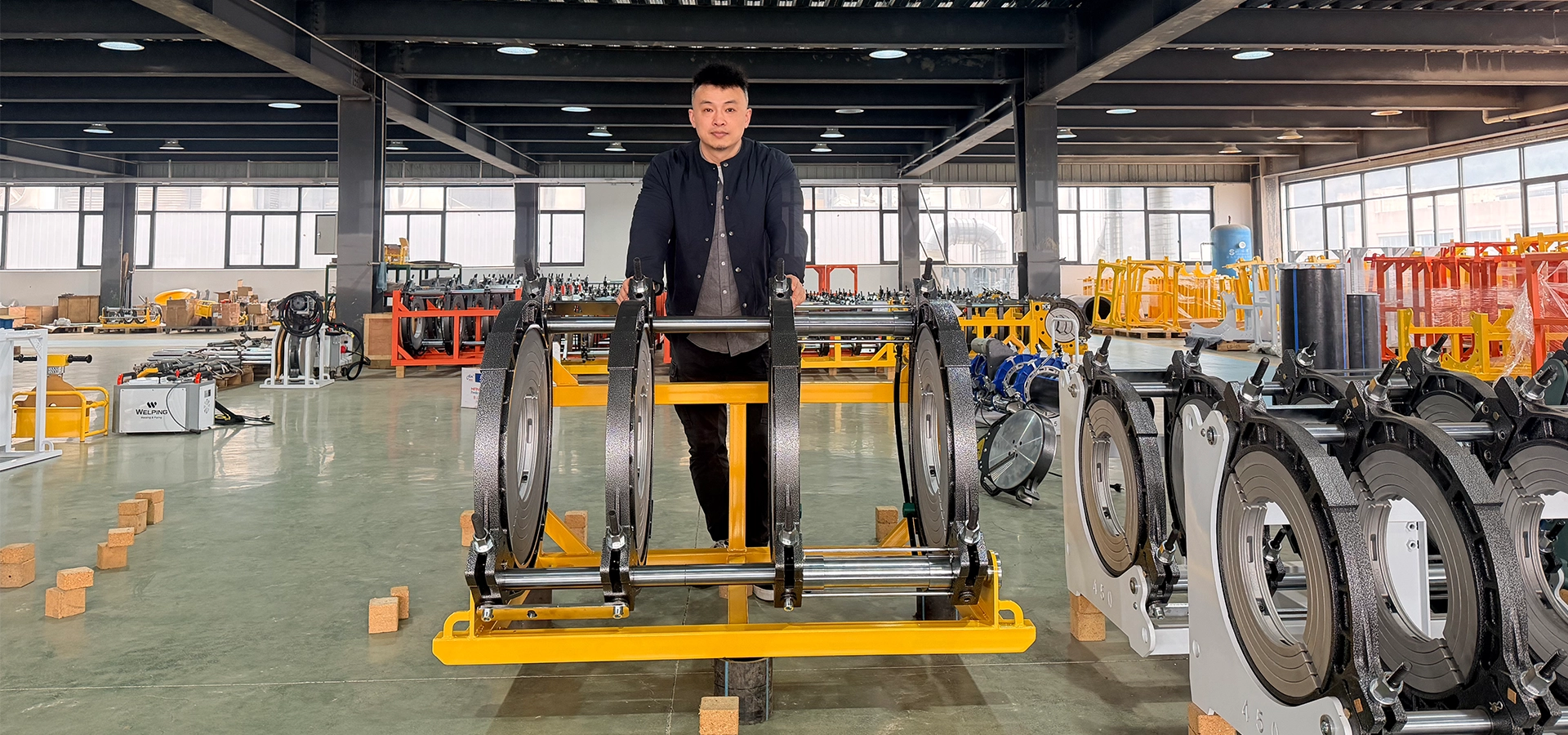
Installation, Training and Maintenance
Invest in operator training to ensure correct heater plate handling, facing accuracy, and pressure ramping—these steps have the biggest impact on weld integrity. Regular maintenance of hydraulic fluids, seals, and heaters keeps machines reliable during long seasonal campaigns.
Compliance & Local Considerations
Norwegian projects typically follow European technical standards and stringent municipal requirements. Machines that provide traceable weld records and stable thermal control help meet inspection criteria for drinking water and gas systems. For offshore or industrial oil & gas works, ensure equipment meets site-specific safety and documentation demands.
Logistics, After-Sales and Support
When sourcing equipment for Norway, consider lead times, spare-parts availability, and remote-service capabilities. Robust supplier support and clear diagnostics reduce downtime on long-distance service calls. Choosing welding machines with modular spares and accessible consumables simplifies repairs in isolated regions.
Final Notes for Project Managers in Norway
Reliable butt fusion and electrofusion machines translate directly into safer pipelines, fewer interruptions, and predictable budgets. Prioritize machines built for cold climates, with accurate digital controls and straightforward maintenance. The right equipment ensures your crews deliver durable welds across Norway’s demanding landscapes.



