
Getting the temperature right when welding PPR (Polypropylene Random Copolymer) pipes is the most important step toward strong, leak-free joints. This guide explains practical temperature settings, verification steps, and troubleshooting tips so installers and technicians can achieve consistent results on-site.
Why Temperature Controls Joint Strength
Temperature determines how the PPR molecules flow and fuse. Too low and the interface won’t melt uniformly; too high and the material can degrade, causing weak spots or excessive flash. Proper thermal control ensures a continuous molecular bond across the entire joint area.
Common PPR Welding Methods and Typical Temperature Ranges
The temperature setting depends on the welding technique. Below are industry-typical ranges used as starting points; always confirm with the pipe and fitting manufacturer and perform test welds before production work.
| Welding Method | Typical Tool Temperature | Notes |
|---|---|---|
| Socket Fusion (PPR fittings) | ~260°C (±10°C) | Common for standard socket heaters — set, preheat, then join with proper insertion depth and hold time. |
| Butt Fusion (butt/plate fusion for PPR) | 200–240°C | Lower plate temperatures for controlled, thicker-wall parts; adjust by wall thickness and manufacturer guidance. |
| Hot Air Welding (plastic welding guns) | 300–400°C (air temp) | Air temperature is higher because heat transfer differs; keep nozzle distance and travel speed consistent. |
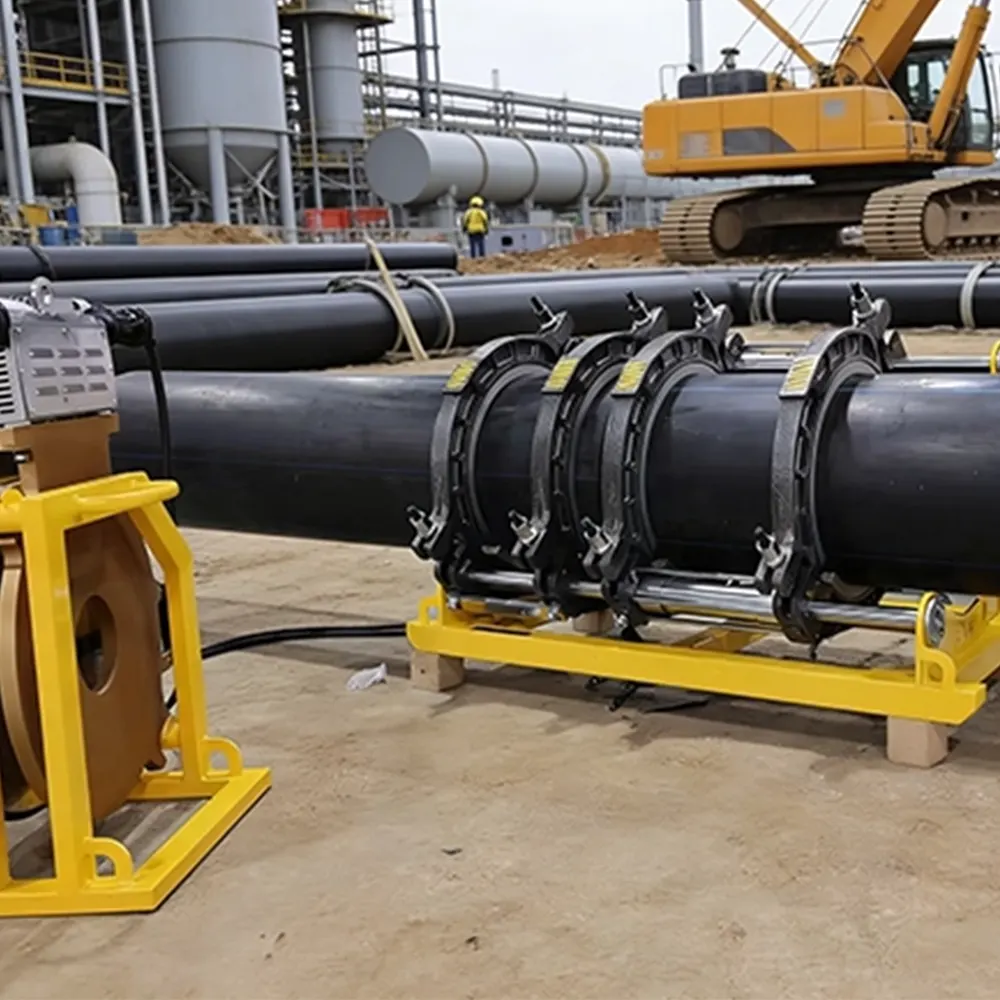
Setting the Right Temperature — Step-by-Step
1. Read the tool and pipes’ technical sheets. Manufacturer recommendations always override generic values. Confirm allowable temperature tolerance and required fusion times for your PPR grade.
2. Warm up and stabilize the heater. Allow the heating tool or plate to reach and stabilize at the set temperature for several minutes. Use a calibrated surface or infrared thermometer to verify the actual temperature at the heater surface.
3. Use the correct contact time and pressure. Temperature is only one factor — insertion depth, contact time, and axial pressure complete the fusion process. Use the recommended dwell times and apply steady pressure during cooling.
4. Perform test welds. Make sample joints with scrap pipe, then cut and visually inspect the fusion bead and perform a pressure or peel test if required.
Quick Reference: Temperature Adjustments by Pipe Size & Conditions
| Pipe OD / Wall | Socket Fusion Temp | Notes |
|---|---|---|
| Small (≤63mm) | 250–260°C | Faster heating, shorter insertion times. |
| Medium (75–160mm) | 255–265°C | Common working range for manual socket tools. |
| Large (>160mm) | 260–270°C | May require slightly higher temps and longer fusion/cooling times for uniform melt. |

Environmental Factors — How to Compensate
Cold weather can slow heat transfer and require longer contact and cooling times. Wind can cool the joint surface quickly; use windbreaks or sheltered work areas. In hot conditions, monitor heater stability and avoid overheating; shorter contact times may be needed.
Common Mistakes and Troubleshooting
Underheating — results in weak joints and visible gaps in the fusion bead. Remedy: increase tool temp slightly, check heater calibration, or lengthen contact time.
Overheating — causes bubbling, darkened material, or excessive flash. Remedy: lower temperature, clean heater surfaces, and reduce pressure if necessary.
Uneven heating often comes from dirty or scratched heating plates or mismatched surfaces — always clean and level heater plates and facemates before welding.
Calibration, Tools, and Safety
Use a calibrated thermometer or the welding machine’s built-in sensors to verify surface temperature. Keep heater surfaces clean and free of contaminants. Wear PPE, including heat-resistant gloves and eye protection, and follow safe handling procedures for hot tools and molten plastic.
Final Tips for Consistent Joints
Document the exact settings (temperature, contact time, pressure) that produced successful tests for each pipe size and material batch. Train operators to follow the procedure and verify temperature before each weld. When in doubt, run a destructive test on a sample joint.
About JQ-Fusion
JQ-Fusion is a professional manufacturer specializing in HDPE pipe welding machines, providing reliable butt fusion solutions for global infrastructure projects. For customized machine settings and support, consult JQ-Fusion’s product documentation or contact their technical team.


