
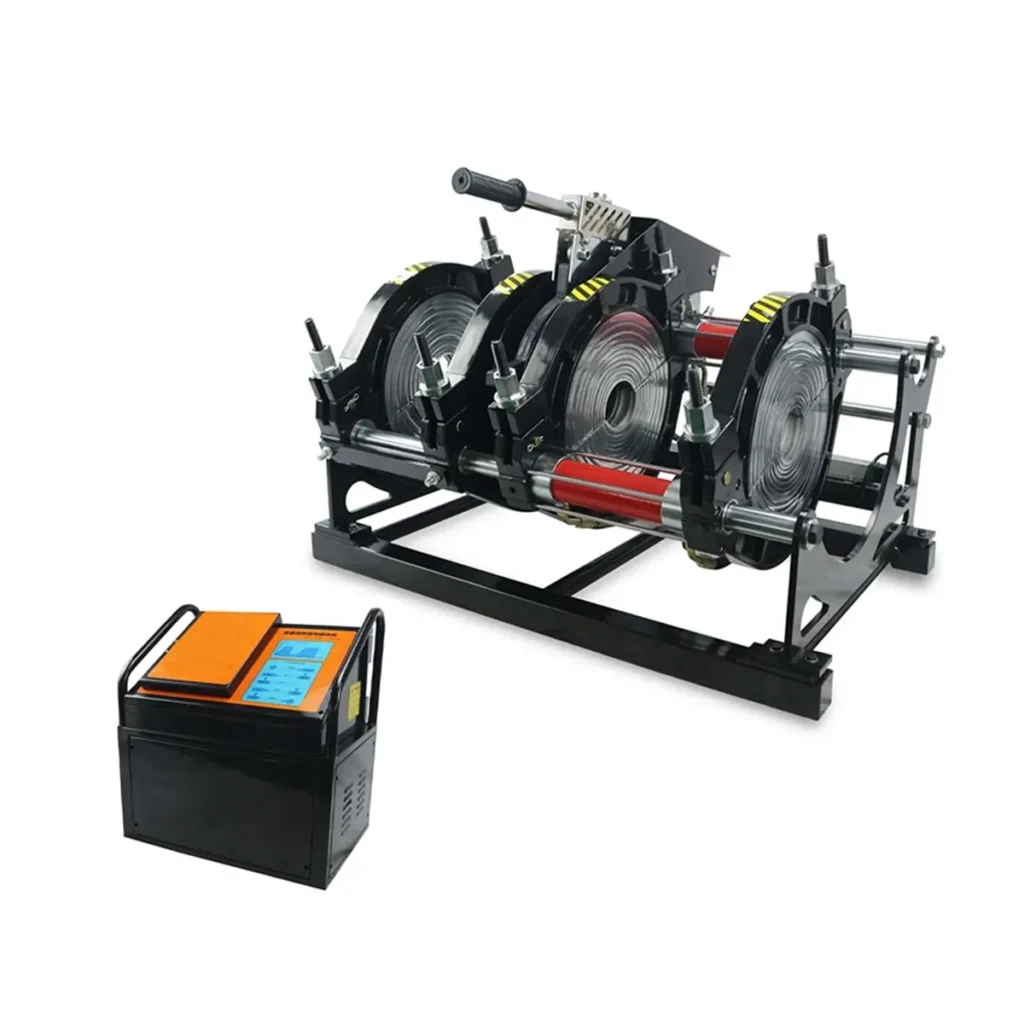
Choosing the right plastic pipe welding machine in Canada means balancing climate, local regulations, and project scale. Whether you’re installing municipal water lines in Ontario, gas distribution networks in Alberta, or remote irrigation systems in the Prairies, the correct butt fusion or electrofusion equipment ensures reliable joints, long-term performance, and efficient field workflows.
Why the Right Machine Matters for Canadian Projects
Canada’s diverse geography and seasonal extremes introduce unique demands on HDPE piping work. Cold temperatures affect heating times and surface preparation, while remote job sites require equipment that is portable, robust, and easy to service. Local codes and industry standards emphasize traceable weld records and certified procedures for water and gas applications.
Main Types of Plastic Pipe Welding Machines
Manual Butt Fusion Machines — Compact, low-cost, ideal for small-diameter pipes and utility crews working on short runs.
Hydraulic Butt Fusion Machines — Higher clamping force and consistency for medium to large diameters; commonly used on municipal and industrial jobs.
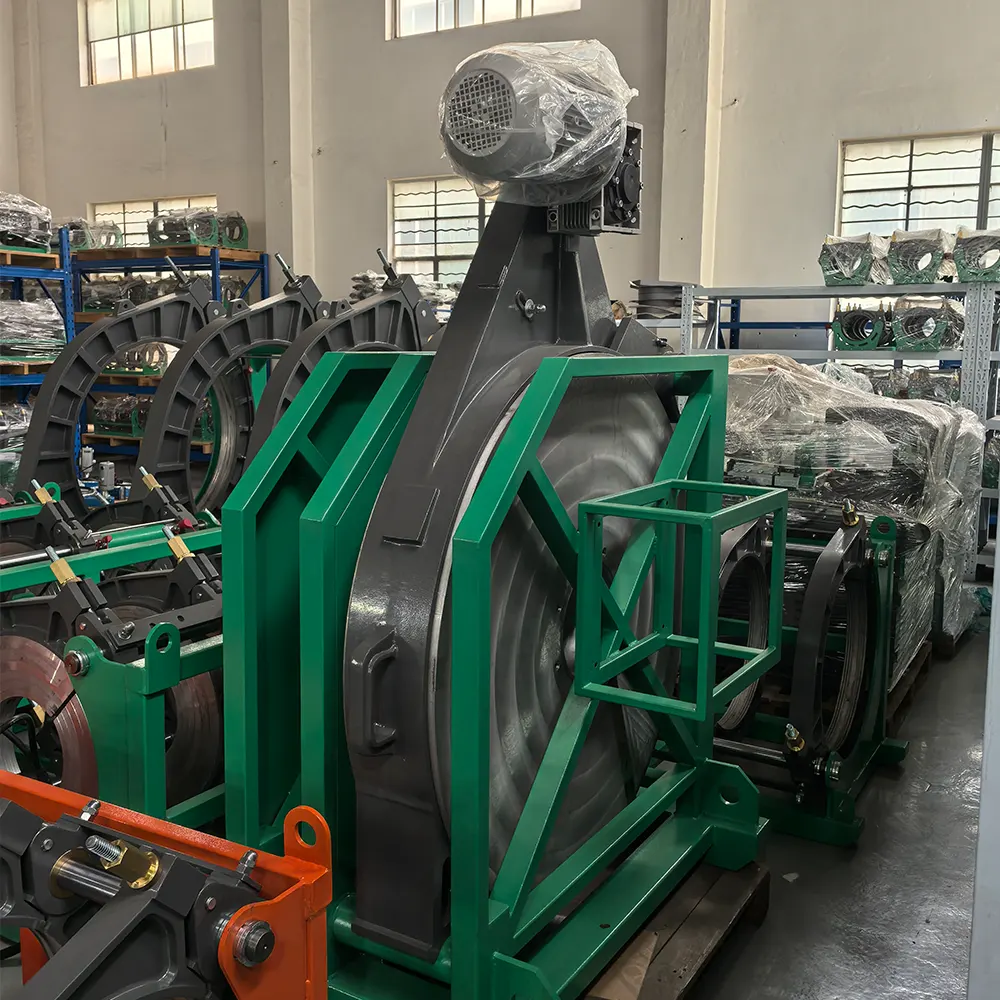
Automatic / CNC Butt Fusion Machines — Precise control over heating, alignment, and fusion parameters; best for long production runs and critical infrastructure.
Electrofusion Machines — For fittings and repairs where electrofusion couplers are used; widely applied in gas distribution networks.
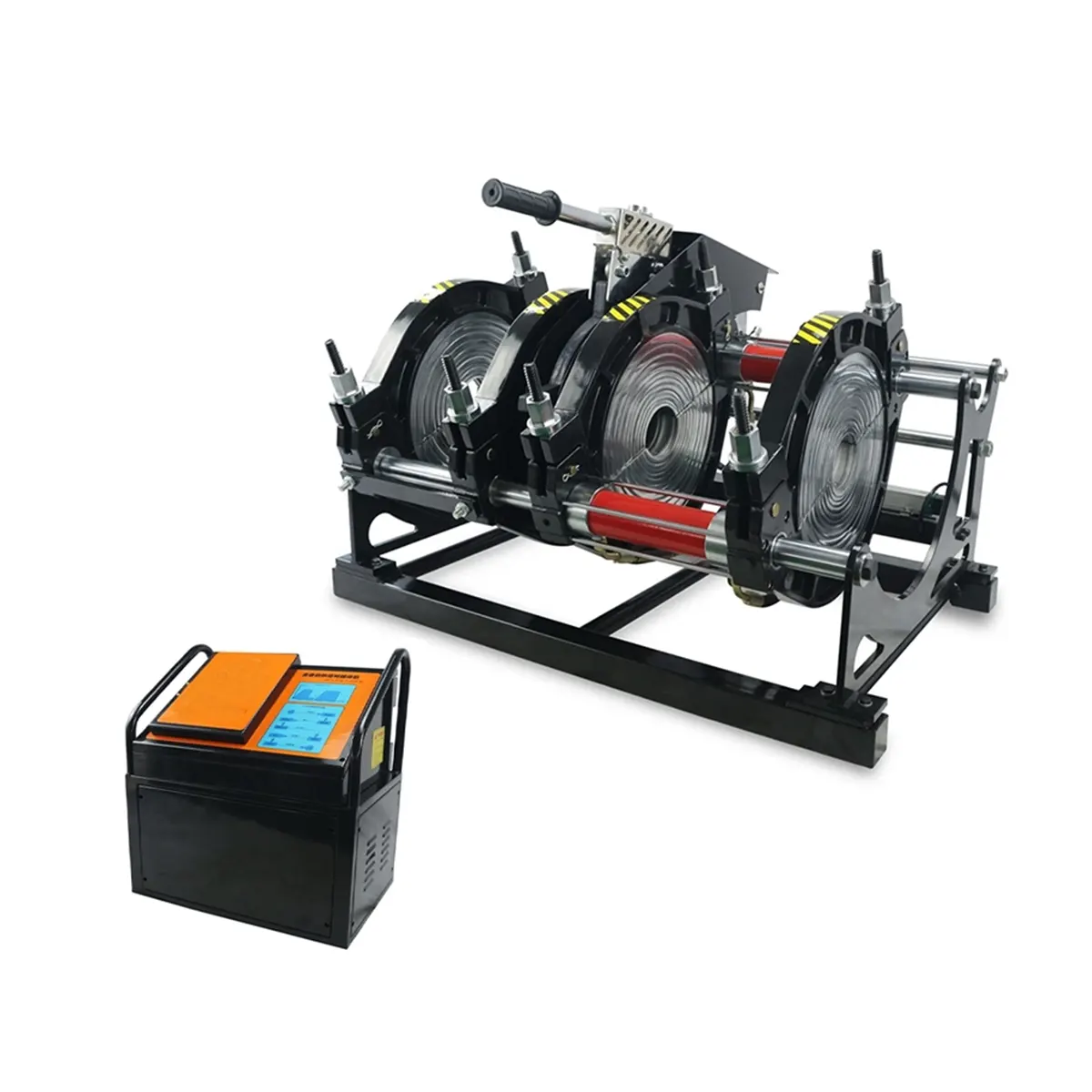
Key Features to Evaluate
- Pipe size capacity: Ensure the machine covers the full diameter range of your projects (from small service lines to large trunk mains).
- Automation level: Manual for occasional jobs, hydraulic for reliability, and CNC/automatic for high-volume or precision work.
- Power requirements: Field-friendly electrical configurations (110–240V options) and generator compatibility for remote sites.
- Heater quality & control: Durable heating plates with accurate temperature control reduce rework and improve weld consistency.
- Clamping system & alignment: Robust clamps and easy pipe insertion speed up setup and improve joint quality in cold conditions.
- Data logging & traceability: Digital controls that record weld parameters help meet municipal and regulatory reporting standards.
| Machine Type | Best For | Typical Pipe Range | Mobility | Approx Price (CAD) |
|---|---|---|---|---|
| Manual Butt Fusion | Service lines, small contractors | 20mm – 315mm | High | 1,500 – 6,000 |
| Hydraulic Butt Fusion | Municipal, industrial pipelines | 63mm – 1600mm+ | Medium | 8,000 – 40,000 |
| Automatic / CNC | Large projects, high-volume fabrication | 90mm – 2250mm+ | Low (stationary options) | 30,000 – 150,000+ |
| Electrofusion | Fittings, repairs, gas networks | 20mm – 630mm | High | 2,000 – 12,000 |
Operating in Cold Weather — Practical Tips
Cold ambient temperatures in many Canadian regions increase the time needed for heating and cooling phases and can affect fusion quality. Field teams should:
- Use insulated covers or temporary shelters around the weld area to stabilize temperatures.
- Preheat pipes and store consumables in heated containers during winter jobs.
- Allow extra time for heater plate warm-up and joint cooling per manufacturer guidance.
- Keep precise weld logs, including ambient temperature and weld parameters, to meet municipal acceptance criteria.
Certifications, Service & After-Sales
Look for machines and manufacturers that provide clear warranty terms, available spare parts, and technical training. Machines with data logging and traceable weld reports simplify inspections and compliance with provincial standards. For procurement and technical support, consider suppliers with responsive service networks and global manufacturing experience; one example is JQ-Fusion.
Quick Buying Checklist
- Confirm pipe diameter range and SDR compatibility.
- Decide between portability and full automation based on project volume.
- Verify power options and field generator compatibility.
- Ask about heater plate life, clamp options, and spare parts kit.
- Request references for similar Canadian projects and demo/commissioning support.
If you are specifying equipment for water, gas, mining, or industrial pipeline projects across Canada, matching the welding machine to your site conditions and documentation needs will deliver safer, longer-lasting pipeline systems. Contact suppliers for detailed quotes, local shipping, and on-site training options.



