
Choosing a reliable butt welder maker in Australia is critical for contractors, municipal utilities, mining operations and rural pipeline installers who need durable HDPE pipe welding machines that perform in remote, coastal and urban environments. This guide explains what to look for, how machines differ, and why selecting the right butt fusion equipment improves safety, uptime and long-term asset performance.
Why Australian Projects Need Robust Butt Fusion Machines
Australia’s infrastructure projects—from city water networks and suburban gas distribution to remote mining and irrigation systems—place high demands on welding equipment. Machines must withstand harsh sun, dust, moisture and long transport distances. Look for butt fusion units with corrosion-resistant components, easy maintenance, and proven field reliability to minimize downtime on-site.
Common Users in Australia
- Municipal water authorities and regional councils
- Gas network contractors and utility service providers
- Mining and resource companies operating in remote areas
- Agricultural contractors and rural water supply installers
- Pipeline contractors supplying residential and commercial developments
Key Features to Compare
When comparing butt fusion machines, prioritize:
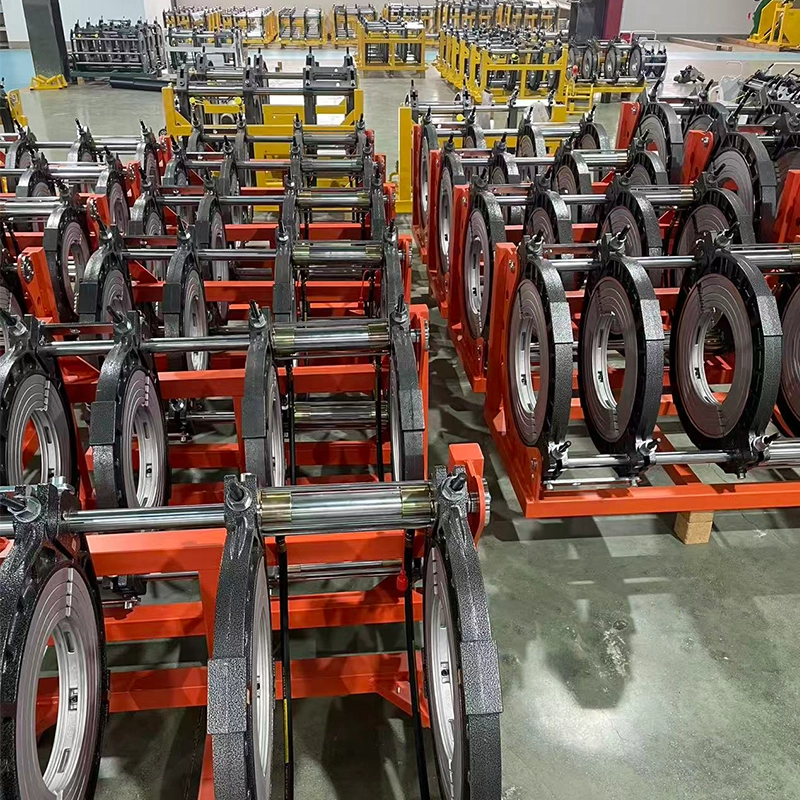
- Build quality — durable frames, sealed hydraulics, and hardened clamp components.
- Range and capacity — ability to weld the pipe diameters you commonly install (small distribution sizes to large-diameter trunk mains).
- Portability — foldable frames, lighter models or hydraulic trolleys for remote access.
- Control and automation — digital controllers or CNC options for repeatable, documented weld cycles.
- Serviceability — spare parts availability, local service network or clear maintenance manuals.
Model Comparison — Quick Reference
| Model | Type | Pipe Range | Key Feature | Ideal For |
|---|---|---|---|---|
| Manual SY Series | Manual | 20mm–630mm | Lightweight & portable | Rural & small-site work |
| Hydraulic H Series | Hydraulic | 90mm–1600mm | High clamping force, ideal for large mains | Municipal and mining projects |
| Automatic JQA Series | CNC Automatic | 20mm–630mm | Precision welding with data logging | High-volume contractors |
Selecting the Right Supplier and Support
Choose a manufacturer with a track record in HDPE welding equipment and reliable after-sales support. For Australian projects, prioritize suppliers that can offer:
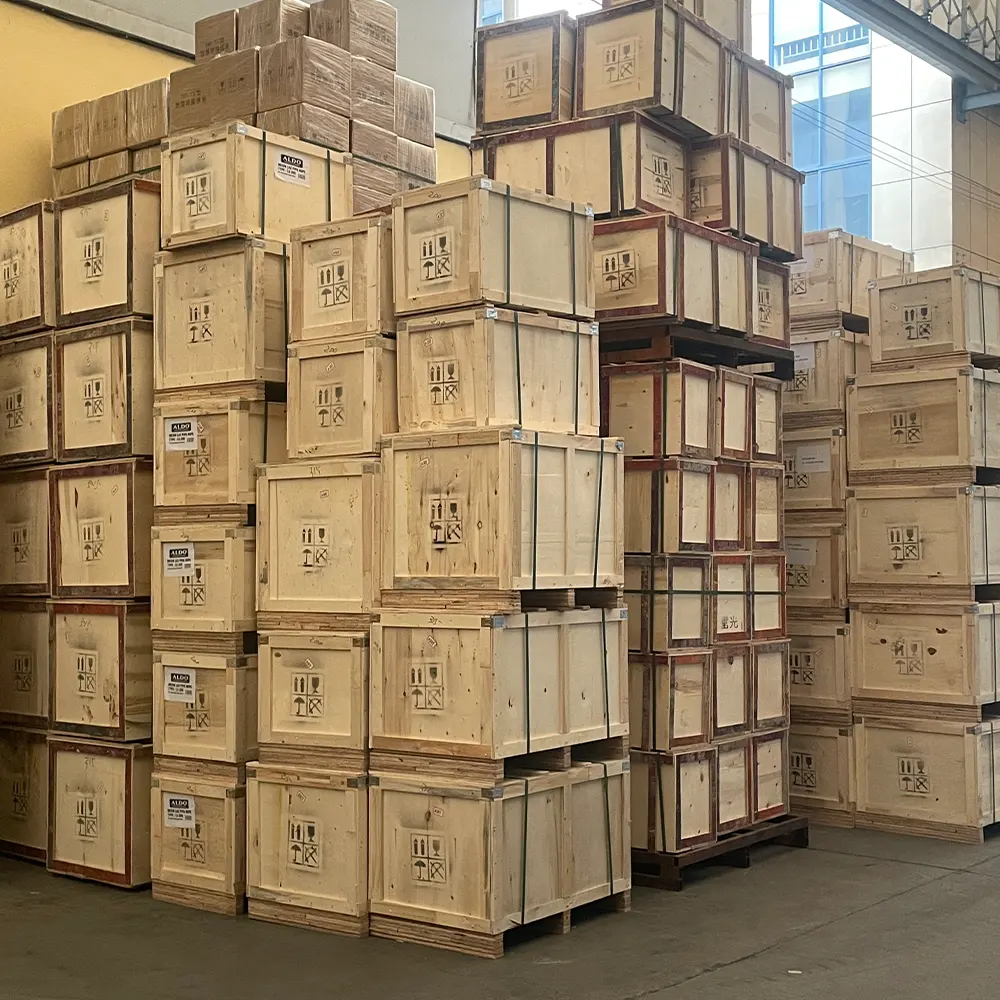
- Fast spare part shipping to major ports or field depots
- On-site training for local operators and weld record procedures
- Machines designed for outdoor Australian conditions
Installation, Operation & Compliance Tips
Ensure operators are trained in butt fusion best practices and record-keeping. Proper surface preparation, correct heating plate temperature and controlled cooling time are essential for strong joints. Verify that welding procedures meet local network owner requirements and industry best practices for pressure testing and quality assurance.
Maintenance & Lifecycle
Regular maintenance extends machine life: keep heating plates clean, inspect clamp jaws for wear, service hydraulic systems and store machines in covered areas when not in use. Consider extended warranty and preventative maintenance packages for continuous projects spread across remote sites.
Why Manufacturers Like JQ-Fusion Matter
Working with an experienced HDPE equipment maker ensures you receive machines engineered for repeatable results, spare parts access and technical support for complex Australian projects. A reputable manufacturer helps reduce rework, improves safety and speeds up project delivery.
Next Steps for Buyers in Australia
Request detailed specifications, welding cycle samples and field references for the machine models you plan to use. Ask about training availability, spare part lead times to Australian ports and options for data-logged welding traces when regulatory compliance or warranty records are required.



