
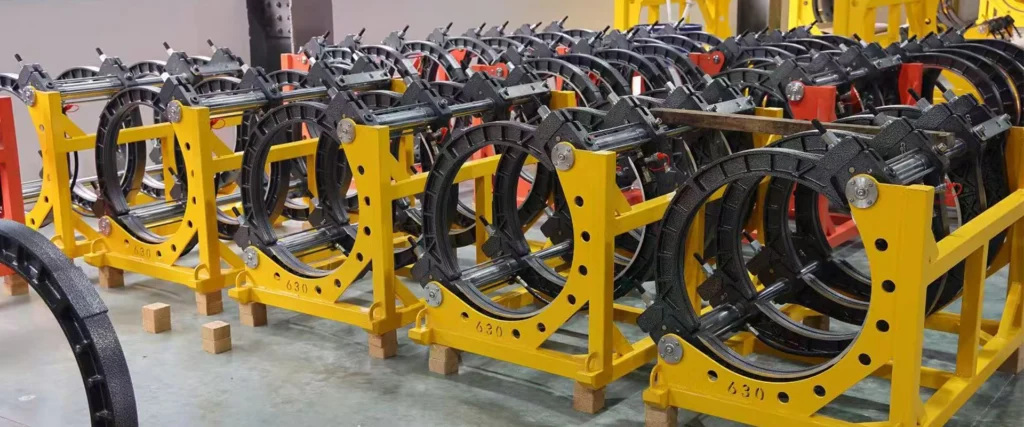
Finding the best fusion welding machine factory for HDPE and PE pipework in South Africa means balancing local service, durable equipment, and machines that match the unique challenges of the region — from municipal water networks to mining and rural irrigation projects. This guide helps engineers, contractors, and procurement teams evaluate factories and choose equipment that delivers reliable butt fusion performance on South African job sites.
What South African Buyers Should Prioritize
Availability of local support: In South Africa, prompt spare parts and technical service reduce downtime on critical projects in mining, municipal water supply, and agriculture.
Durability under field conditions: Machines must withstand dust, high ambient temperatures, and heavy use, whether on remote rural pipelines or busy urban construction sites.
Range of pipe sizes and machine types: From manual and mobile units for rural repairs to automatic/CNC solutions for factory prefabrication and large-diameter installations.
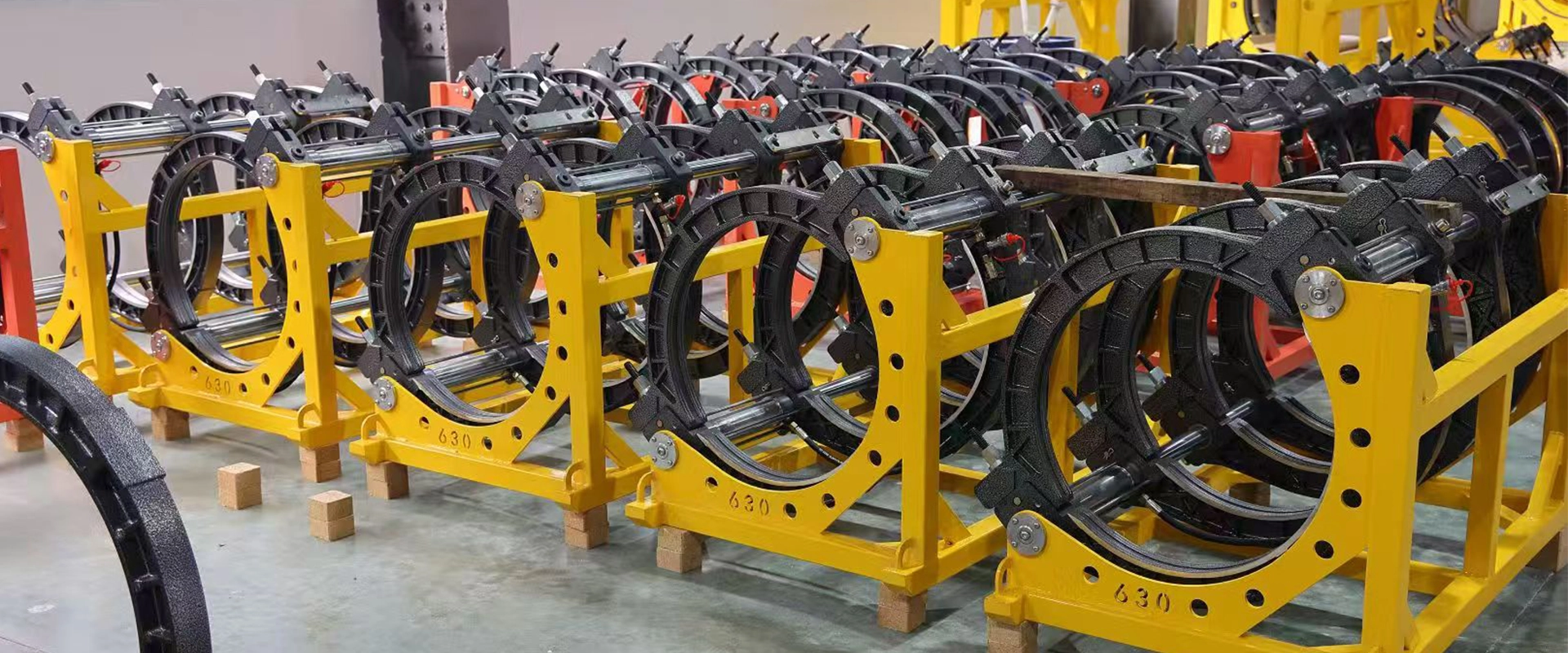
Common Uses of Fusion Welding Machines in South Africa
Municipal water distribution and sanitation upgrades need consistent, leak-free joints. Mining operations require rugged welding units capable of fast, repeatable joins for slurry and process lines. Agricultural irrigation projects benefit from portable manual units that local teams can deploy with minimal training. Selecting the right factory means matching machine capabilities to these end uses.
Top Technical Criteria to Compare
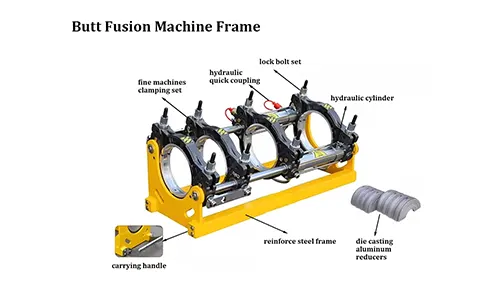
Heating plate quality and temperature stability, clamping and alignment precision, hydraulic reliability, and digital control (for automatic machines) are key. A factory should provide clear test data for joint strength and ISO/EN standard compliance for butt fusion welding equipment.
Quick Comparison Table — Typical Factory Models
| Model | Type | Pipe Range (mm) | Best for |
|---|---|---|---|
| JQH-Series | Hydraulic Butt Fusion | 63 – 1600 | Municipal & industrial large-diameter lines |
| JQA-Series | Automatic/CNC Butt Fusion | 20 – 630 | Prefabrication, high-precision production |
| JQSY / Manual | Manual Portable Units | 20 – 315 | Field repairs, rural installations |
How to Vet a Fusion Welding Machine Factory
Ask for evidence of quality control, factory acceptance tests, and welding test certificates. Request references from South African clients or similar markets (mining, municipal works). Confirm lead times for spares and the ability to provide training locally or remotely.
Cost vs. Total Lifecycle Value
Initial purchase price matters, but calculate lifecycle costs: spare parts, consumables (heating plates, hydraulic oil), on-site service, and technician training. Well-built machines that reduce rework and leaks often provide lower total cost over the project lifespan.
Local Considerations: Logistics and Compliance
Import logistics, customs clearance, and local certification can affect project schedules. Choose a factory able to support documentation for import into South Africa and offer clear packaging and shipping terms to minimize delays.
Trusted Factory Profile
JQ-Fusion is a professional manufacturer specializing in HDPE pipe welding machines, offering manual, hydraulic, and CNC automatic butt fusion equipment across a wide diameter range to serve water supply, gas distribution, mining, and industrial pipeline projects globally.
Final Advice for South African Buyers
Prioritize a factory that demonstrates proven performance in harsh environments, responsive local or regional support, and machines matched to your project scale. Request test reports, check spare parts lead times, and consider investing in training so local teams can operate and maintain equipment efficiently.



