
Pipe fusion machines are essential tools for building durable, leak-free HDPE and thermoplastic pipeline systems across Georgia. Whether you are a municipal utilities contractor in Atlanta, an irrigation specialist in South Georgia, or a pipeline installer working in the coastal and mountainous regions, selecting the right fusion equipment improves project speed, joint reliability, and long-term system performance.
Why Butt Fusion Is Preferred for Georgia Projects
Butt fusion creates homogeneous joints that match the pipe material properties, delivering superior strength and corrosion resistance—critical for Georgia’s humid coastal zones and agricultural irrigation networks. The process minimizes leaks and maintenance, which is especially valuable for water authorities, gas distributors, and industrial sites across the state.
Local Considerations for Machine Selection
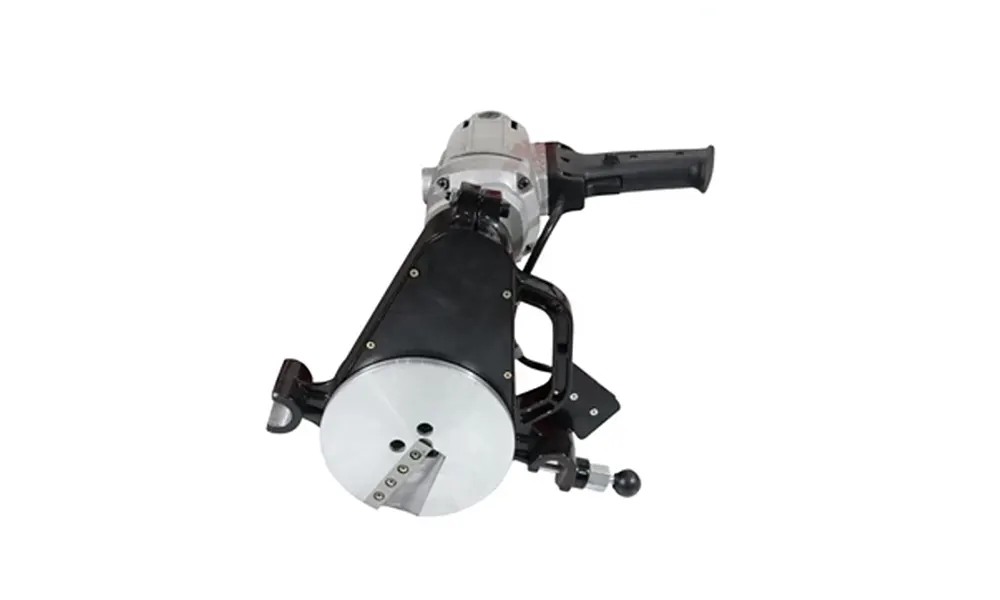
Georgia contractors should consider climate, site accessibility, and the most common pipe sizes used locally. In urban areas like Atlanta and Savannah, compact automatic or hydraulic machines speed up installations; in rural counties, portable manual fusion units are easier to transport to remote worksites. For coastal or chemically aggressive environments, fusion offers a long-lasting solution compared with mechanical couplers.
Typical Applications in Georgia
-
Municipal water and wastewater distribution systems
-
Natural gas distribution and service line installations
-
Irrigation systems for agriculture across South Georgia
-
Industrial and plant piping for manufacturing and mining sites
Machine Types and When to Use Them
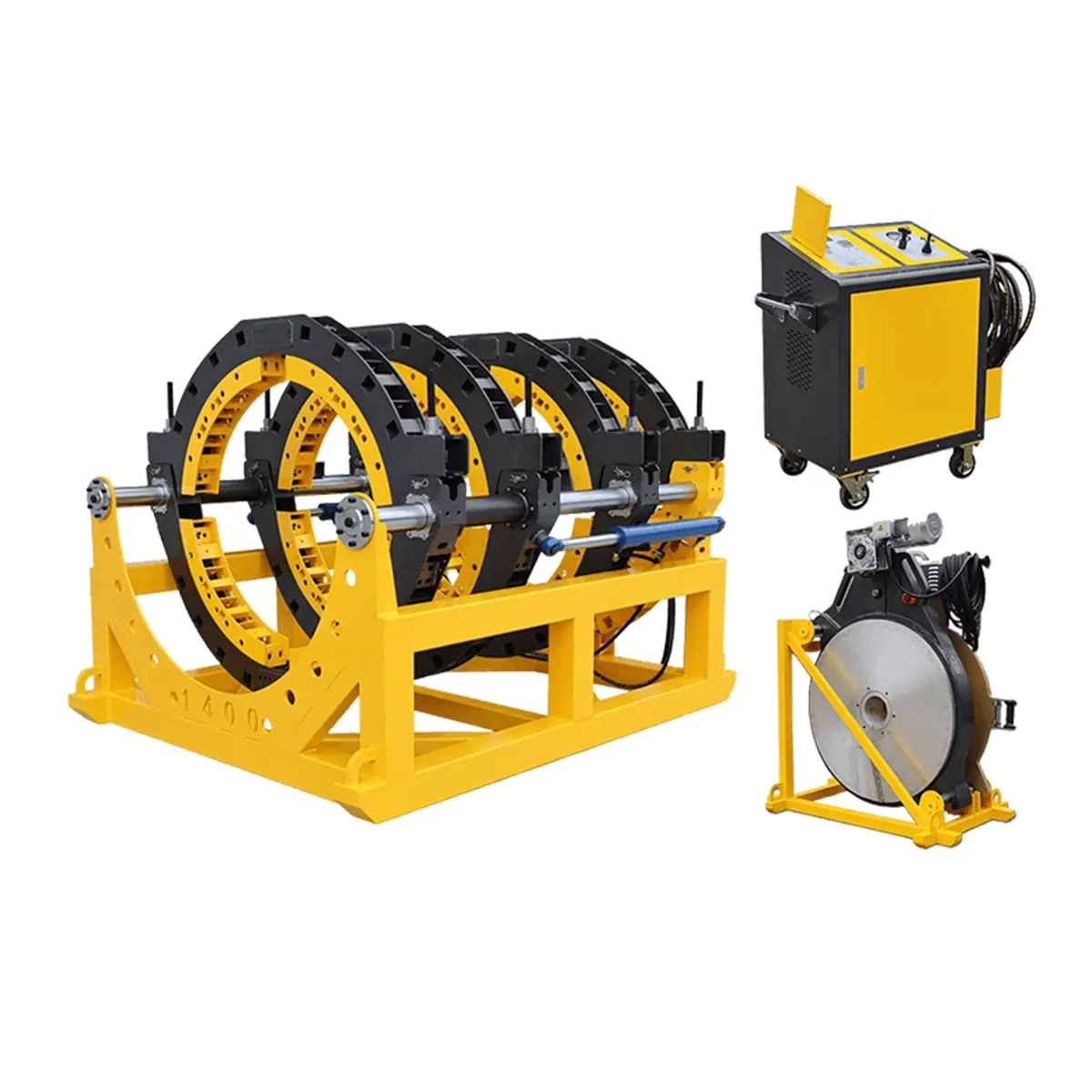
Manual butt fusion — cost-effective and portable for small-diameter repairs and rural projects. Hydraulic fusion machines — ideal for consistent pressure and larger diameters on-site. Automatic/CNC butt fusion units — best for high-volume, precision-controlled jobs where production speed and digital traceability matter.
Key Features to Evaluate
When choosing equipment, prioritize:
– Accurate heating plates with quick, even temperature control;
– Sturdy clamping systems to prevent pipe misalignment;
– Clear control interfaces and welding parameter recording for QA;
– Portability and power options suitable for remote Georgia sites.
Specifications Comparison
| Model | Pipe Range | Power | Best Use |
|---|---|---|---|
| Manual Portable Unit | 20–160 mm | Electric/Generator | Rural repairs, irrigation |
| Hydraulic Frame Machine | 160–1000 mm | Hydraulic Power Unit | Municipal & industrial mains |
| Automatic/CNC Fusion | 63–630 mm | Electric | High-volume, traceable welding |
Compliance, Training, and After-Sales Support
Ensure the equipment complies with ASTM, ISO, or local standards used by Georgia utilities. Operator training and documented welding procedures help contractors meet acceptance tests. Choose machines that come with clear service options and spare parts availability to reduce downtime on critical projects.
How to Source Reliable Machines
For dependable manufacturing and product range options, consider established suppliers with a global track record and capacity to supply spare parts and training. JQ-Fusion (https://jq-fusionwelding.com/) offers a variety of butt fusion and multi-angle fitting machines suitable for diverse pipeline projects.
Final Tips for Georgia Contractors
Plan for site logistics — evaluate transport, local power supply, and weather protection; match the machine size to common pipe diameters on your projects; and keep weld records for warranty and regulatory compliance. These steps will ensure durable pipeline systems that stand up to Georgia’s varied environments.



