
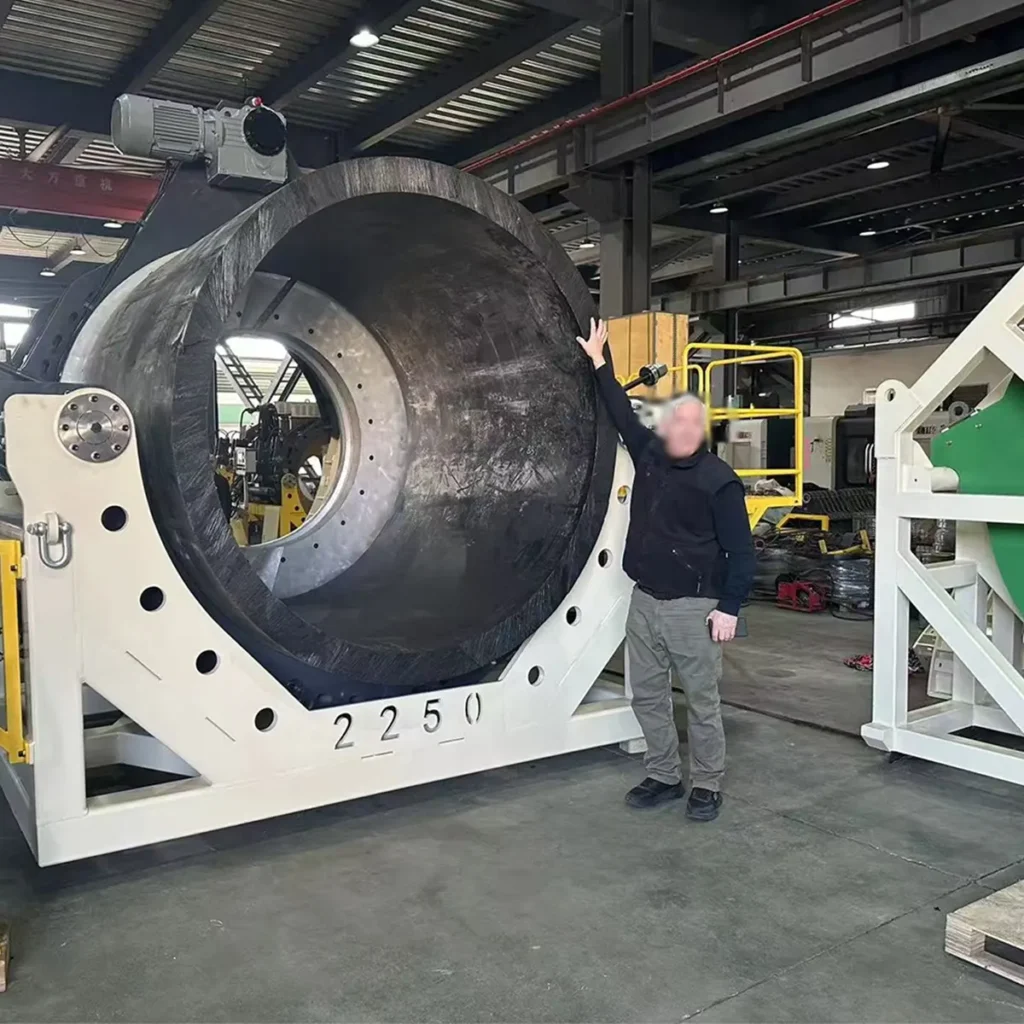
In the Democratic Republic of the Congo (DR Congo), expanding water networks, gas distribution lines, and large-scale mining projects require robust HDPE pipe fusion solutions. Reliable butt fusion welding machines ensure leak-free joints, faster installation and long-term performance — essential for projects facing remote locations, heavy loads, and challenging climate conditions.
Why HDPE Pipe Fusion Matters for DR Congo Infrastructure
HDPE pipes are increasingly adopted across DR Congo for their corrosion resistance, flexibility and low maintenance. From urban water supply in Kinshasa to tailings and slurry transport in the copper and cobalt mining regions around Kolwezi and Lubumbashi, butt fusion welding delivers joints that match the pipe’s strength and durability. Local contractors and engineers value equipment that performs reliably under high temperatures, heavy dust and limited site power.
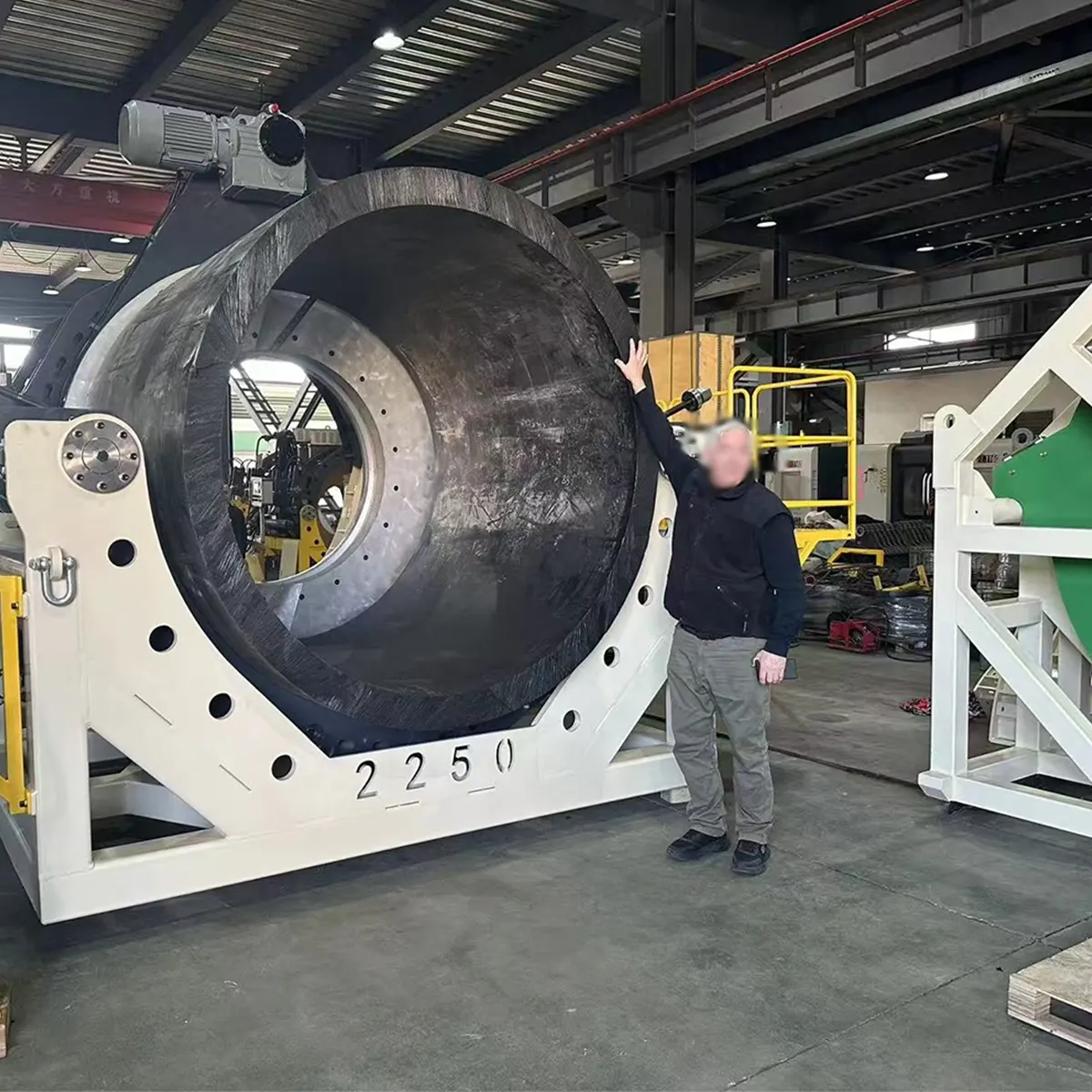
Key Benefits for Projects in DR Congo
Durability: Machines built for heavy-duty field use minimize downtime at remote mining or rural water projects.
Portability & Power Options: Models that operate with hydraulic stations or low-consumption electric units suit sites with unstable grid power.
Ease of Training: With multilingual crews (French and Lingala commonly spoken), intuitive controls and clear welding procedures speed up local training and quality control.
Selecting the Right Butt Fusion Machine
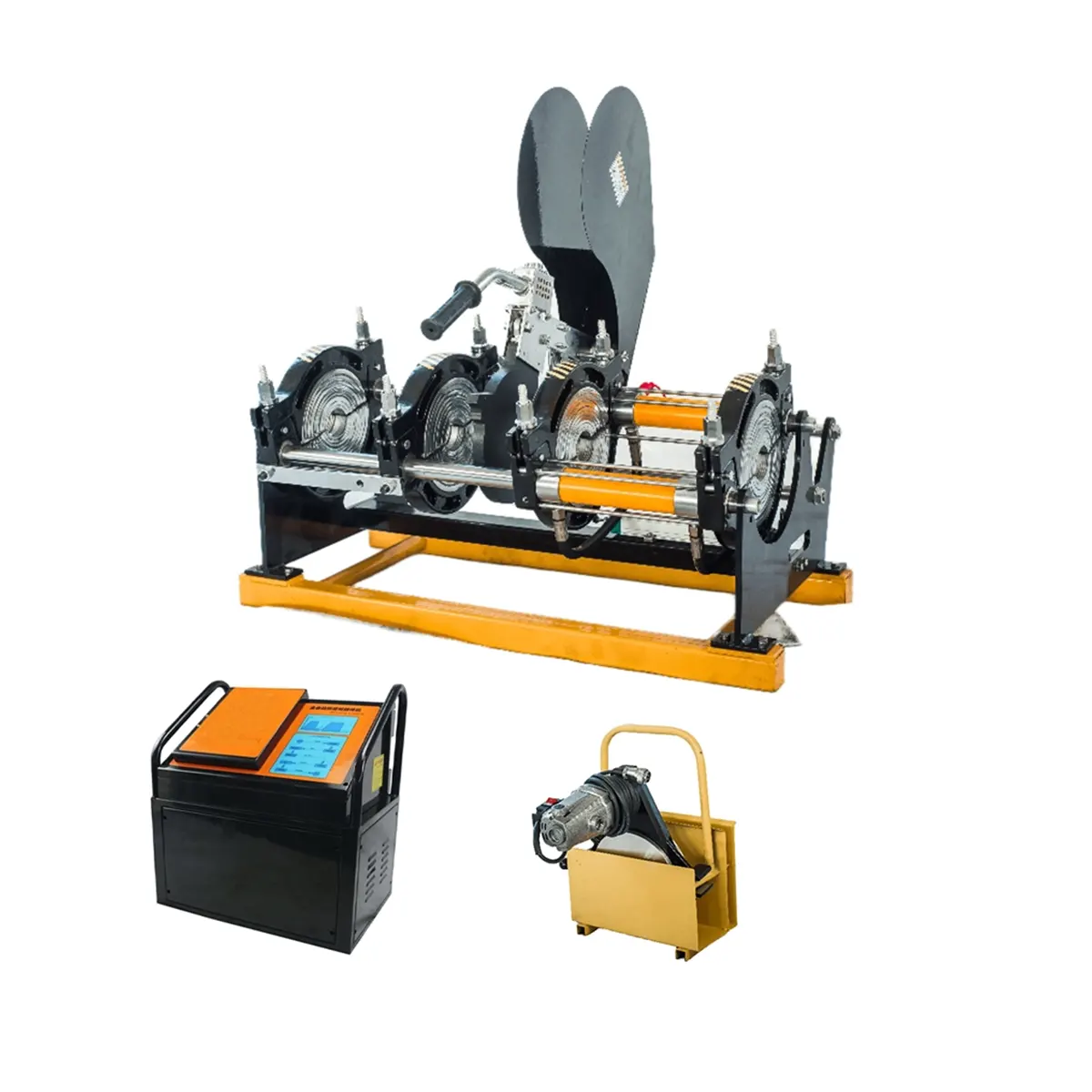
Project managers should consider pipe diameter range, automation level, field mobility, and serviceability. Manual machines are ideal for small-diameter networks and tight budgets; hydraulic and CNC automatic machines serve medium to large pipelines and high-volume production needs common in municipal and mining applications.
Quick Comparison Table — Typical Models & Use Cases
| Model / Type | Pipe Range (mm) | Best For |
|---|---|---|
| Manual Butt Fusion | 20 – 160 | Rural water networks, small repairs |
| Hydraulic Butt Fusion | 160 – 1000 | Urban mains, industrial pipelines |
| CNC Automatic Butt Fusion | 200 – 1600+ | Large-diameter mining & long-distance trunklines |
Installation & Quality Control Best Practices
DR Congo projects benefit from disciplined welding procedures: proper cleaning, precise facing, controlled heating and accurate fusion pressure. Field teams should document weld logs for each joint, store heating plates and clamps in protective cases, and maintain spare parts on-site for critical components like heaters, hydraulic seals and alignment clamps.
Service, Spare Parts & Local Training Considerations
Because many project sites are remote, equipment with modular, easily-replaceable parts reduces logistics headaches. On-site training delivered in French improves technician competence quickly. For large mining projects, pre-scheduled maintenance kits and remote technical support reduce downtime and protect production targets.
Sustainability & Cost Efficiency
Well-executed HDPE fusion reduces leak rates and lowers lifecycle costs compared with traditional metal piping, particularly where corrosive soils or acidic mine drainage are concerns. Investing in the right fusion technology up front delivers measurable savings across operations and maintenance budgets.
Trusted Manufacturing & Global Support
For reliable butt fusion equipment backed by international shipping and technical documentation, consider reputable manufacturers with a broad product range and field experience supporting municipal and mining sectors. Visit JQ-Fusion for machine lines, specifications and service options tailored to DR Congo projects.



