
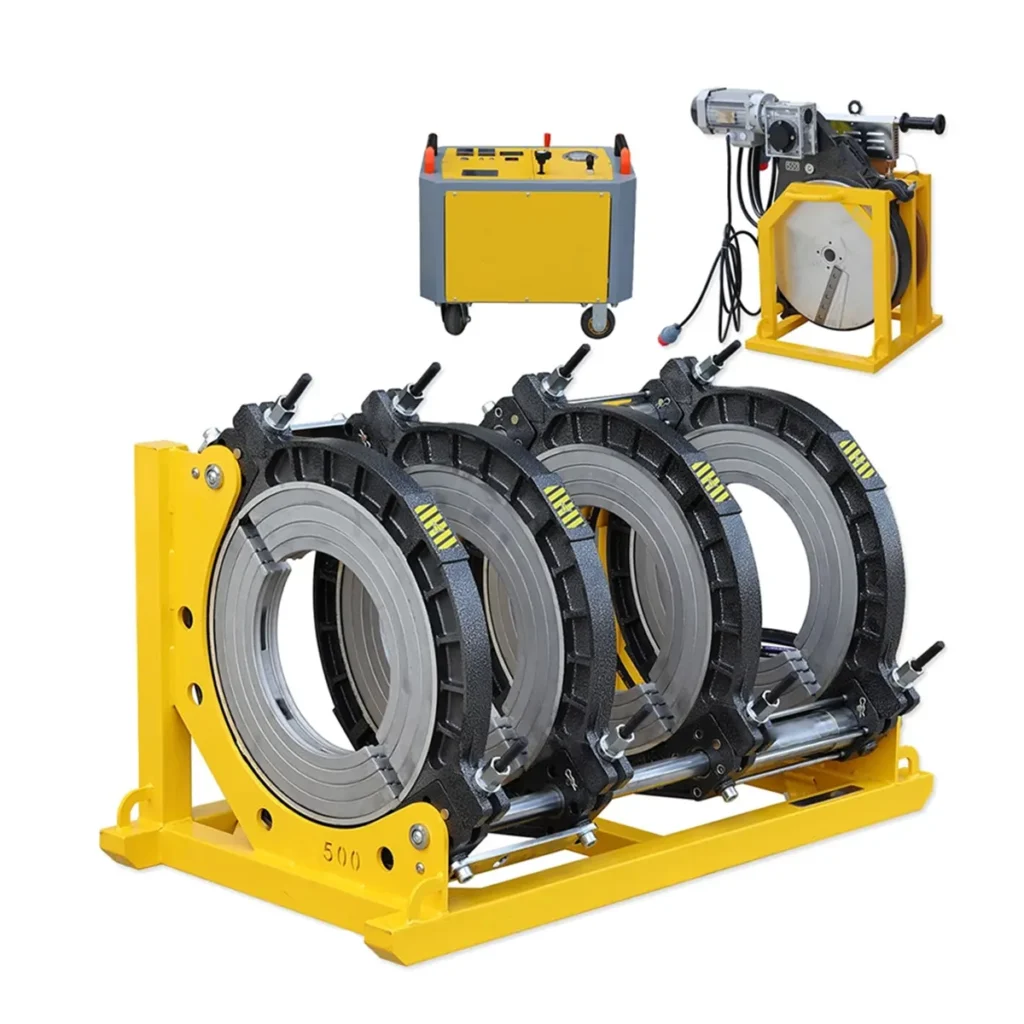
Electric fusion welding machine control systems are evolving rapidly. Advances in smart automation, precision sensors, and data-driven workflows are transforming how HDPE pipe welding is planned, executed, and validated—delivering higher productivity, fewer defects, and measurable cost savings for infrastructure projects.
Why Control System Upgrades Matter
Control systems are the brain of modern butt fusion and electrofusion machines. Upgrading to intelligent controllers and closed-loop feedback enables consistent heating, accurate alignment, and repeatable cooling curves. For contractors and utility operators this means reduced rework, predictable joint strength, and easier compliance with welding standards.
Key drivers of the upgrade trend
Rising demand for network reliability, stricter safety regulations, and labor shortages push manufacturers and owners to adopt automated control features such as touch-screen interfaces, programmable welding schedules, and remote monitoring. These upgrades also support faster onboarding of new operators.
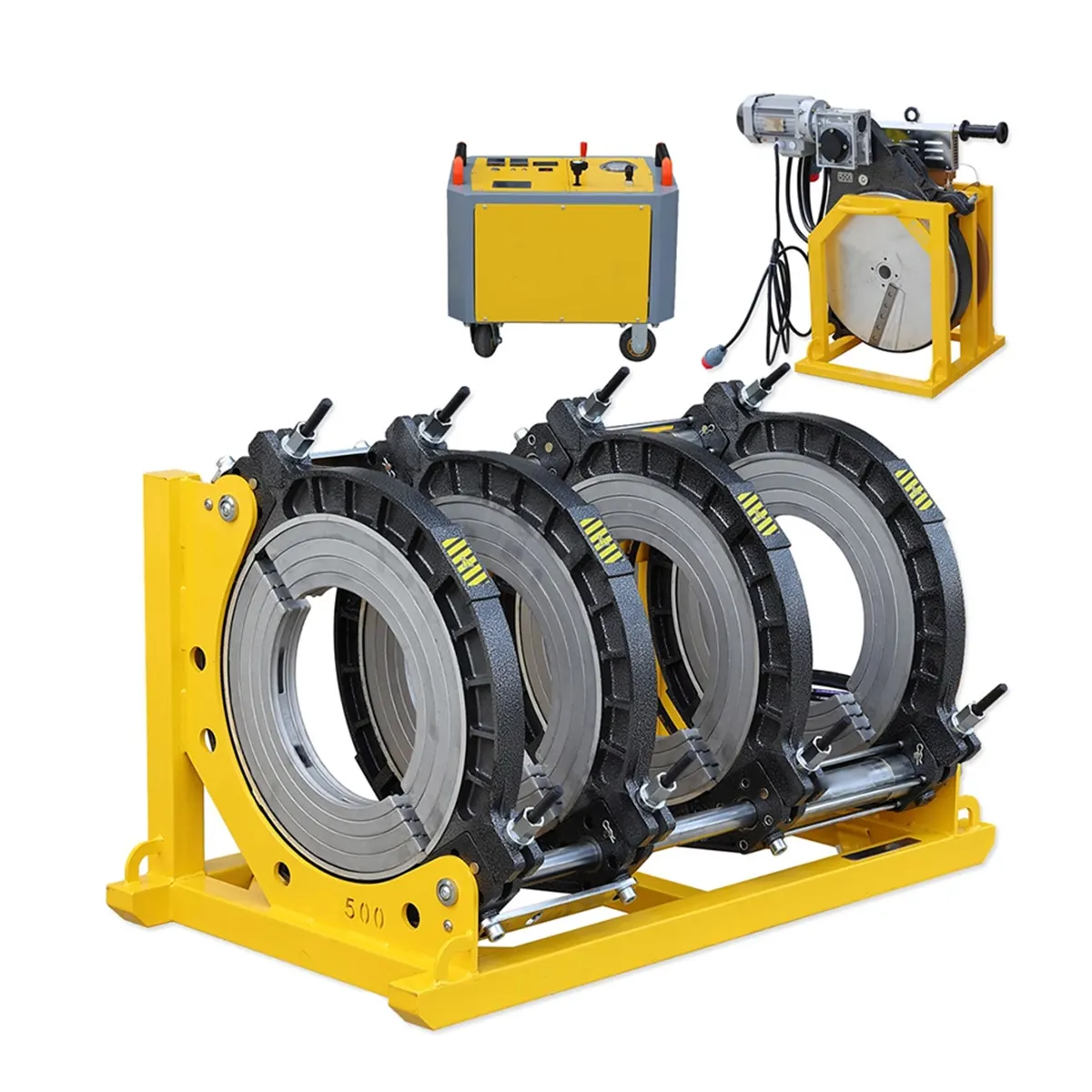
Smart Automation: From Manual Steps to Guided Workflows
Modern control systems replace manual timers and visual checks with guided workflows and automated sequences. Integrated sensors track temperature, pressure, and displacement in real time. Intuitive HMI screens allow operators to select pipe material, diameter, and joint type, then the controller executes the exact weld cycle with minimal intervention. This reduces human error and ensures uniform results across crews and sites.
Benefits for field teams
Guided automation shortens training time, increases first-pass success rates, and improves safety by limiting operator exposure to hot tooling. Combine that with mobile apps and remote diagnostics and supervisors can verify welds without being physically present.
Precision: Sensors, Closed-Loop Control, and CNC Integration
Precision upgrades center on closed-loop control architectures that continuously adjust welding parameters based on sensor feedback. CNC-enabled butt fusion machines can maintain axial alignment and controlled displacement during heating and cooling phases, which is critical for large-diameter pipelines where tolerances are tight.
Quality traceability
Advanced controllers log welding parameters, timestamp events, and export weld reports for quality assurance. These digital records support audits and help pinpoint root causes in the rare case of joint failure.
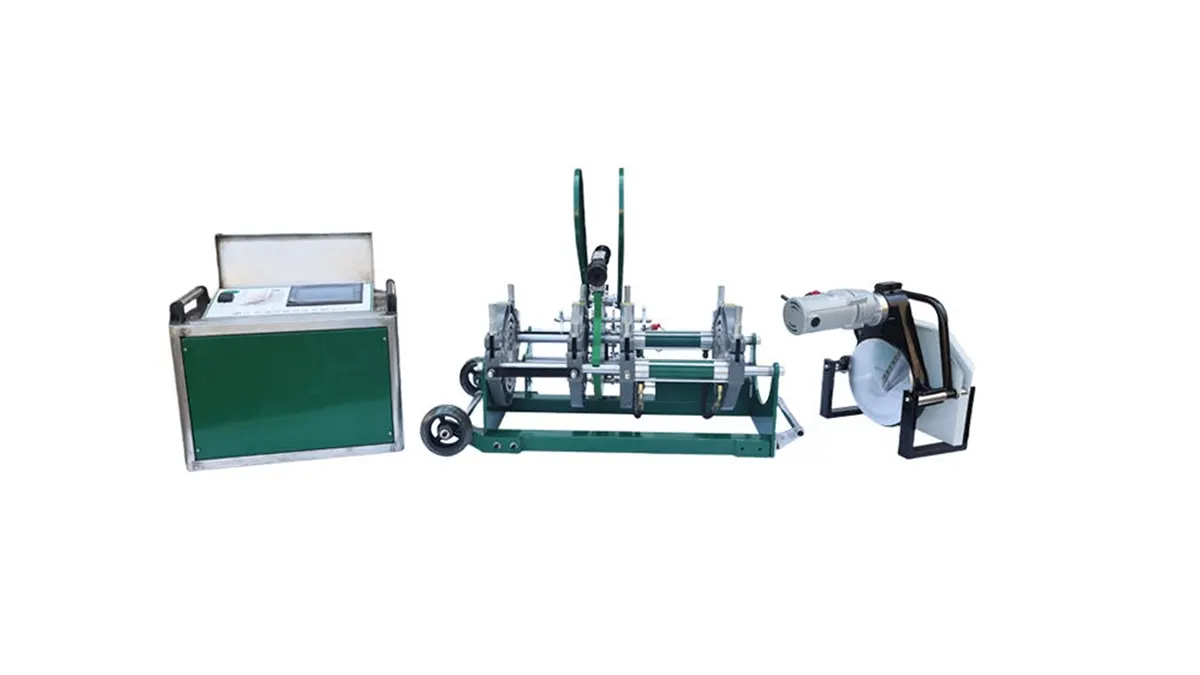
Efficiency: Energy, Cycle Time, and Predictive Maintenance
Next-generation controllers optimize heater power profiles to reduce idle energy and shorten cycle times without compromising joint integrity. When paired with IoT-enabled sensors, machines can report vibration, hydraulic pressure trends, and component wear—enabling predictive maintenance that reduces downtime and extends equipment life.
Operational and financial impact
Upgrades typically show faster cycle times and fewer failed joints, translating to lower labor and material costs. For fleet operators, centralized dashboards let managers allocate machines more efficiently and plan maintenance windows that align with project schedules.
Table: Typical Upgrade Outcomes
| Metric | Typical Improvement | Operational Benefit |
|---|---|---|
| Weld cycle time | 10–30% faster | Higher throughput per shift |
| Defect / rework rate | 30–70% reduction | Lower material waste and warranty costs |
| Energy consumption | 5–20% lower | Reduced operating expense |
| Maintenance downtime | Up to 50% less | Improved schedule reliability |
Integration and Standards
Seamless integration with project management systems and GIS platforms is increasingly important for pipeline owners. Control systems that export standardized weld reports (CSV, XML, or cloud APIs) simplify regulatory compliance and asset management. Ensure any upgrade respects applicable welding standards and certification requirements for your region and industry.
Choosing the right upgrade path
Assess current fleet capabilities, operator experience, and project goals. Incremental upgrades (better HMIs, sensor packages) can deliver quick wins, while full controller replacements and CNC retrofits enable the highest repeatability for critical infrastructure projects.
Real-World ROI and Adoption Tips
Quantify expected efficiency gains against upgrade cost and downtime. Prioritize features that address your most frequent failure modes—temperature control, alignment, or data traceability. Pilot upgrades on a single machine before widescale roll-out to validate performance in local field conditions.
JQ-Fusion is a manufacturer focused on delivering reliable butt fusion equipment and can support tailored control system upgrades to match project requirements.
Final thought
Upgrading electric fusion welding machine control systems is no longer optional for teams seeking measurable gains in precision, safety, and efficiency. Smart automation, precision sensors, and connected diagnostics empower owners to deliver stronger pipelines faster and with lower lifecycle costs.



