
Choosing the right polyethylene (HDPE) welding machine in Romania is critical for contractors, municipal works, and agricultural projects that rely on durable pipeline networks. This buyer’s guide helps Romanian buyers compare manual, hydraulic, automatic butt fusion and electrofusion solutions, assess key specifications, and match machines to local project requirements.
Why HDPE Welding Machines Matter in Romania
Romania’s infrastructure expansion—driven by EU-funded water supply upgrades, rural irrigation modernization, and growing gas distribution networks—depends on robust, leak-free HDPE joints. Reliable welding equipment reduces installation time, increases joint life, and ensures compliance with EN standards commonly required on Romanian projects.
Typical Romanian Applications
Municipal water mains and sewer projects in urban centers like Bucharest and Cluj.
Rural and agricultural irrigation systems across Transylvania and the Danube plains.
Gas distribution and service lateral installations requiring certified fusion joints.
Industrial pipeline networks in manufacturing and mining regions.
Types of Polyethylene Welding Machines
Manual Butt Fusion
Simple, portable units for small-diameter pipes (commonly 20–315mm). Ideal for rural works and tight-access sites where mobility and low cost matter.
Hydraulic Butt Fusion
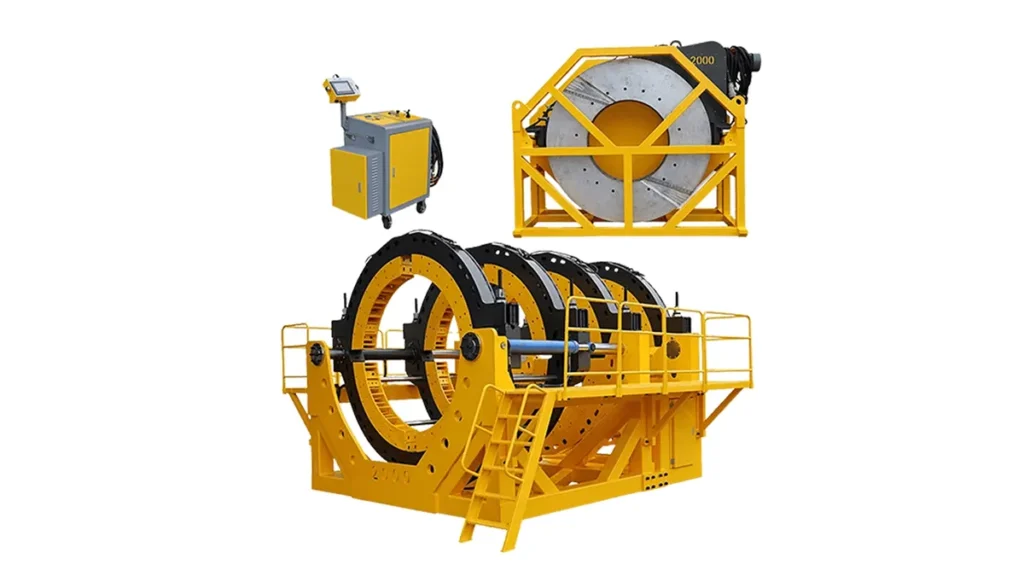
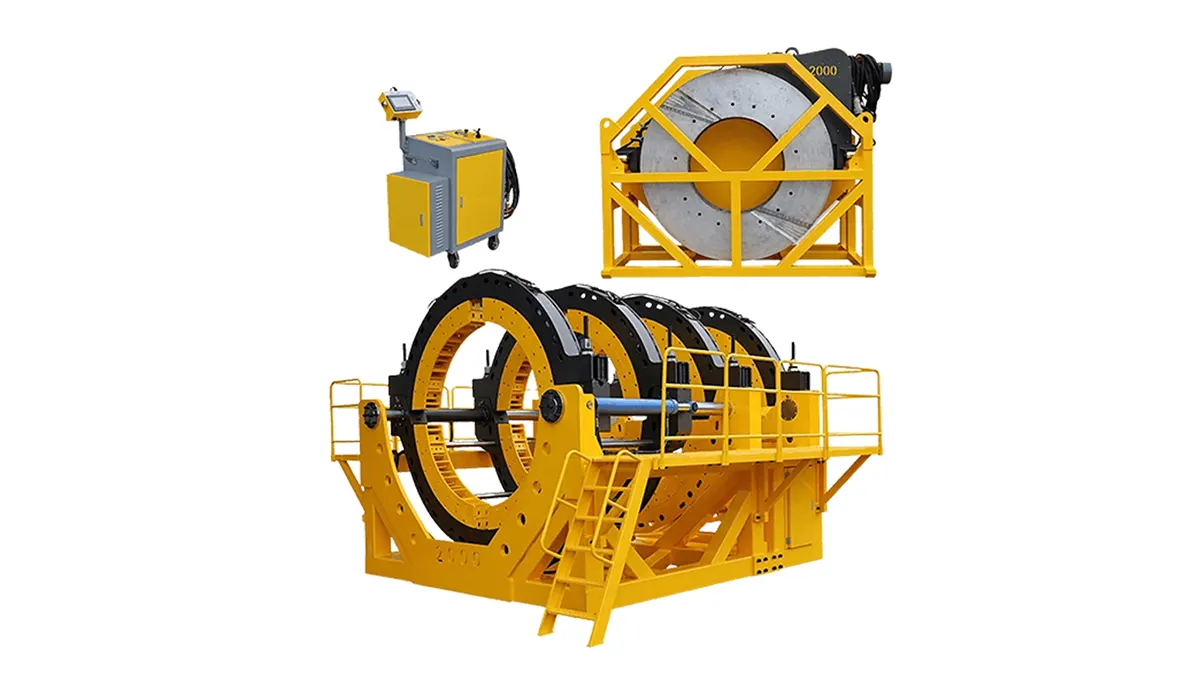
High clamping force and stability for medium to large diameters (up to 2000mm+). Suited to major municipal pipelines and industrial applications where repeatable pressure control is essential.
Automatic (CNC) Butt Fusion
Automated heating, alignment, fusion and monitoring. Best for contractors doing high-volume or precision work—reduces operator variability and improves traceability.
Electrofusion Machines
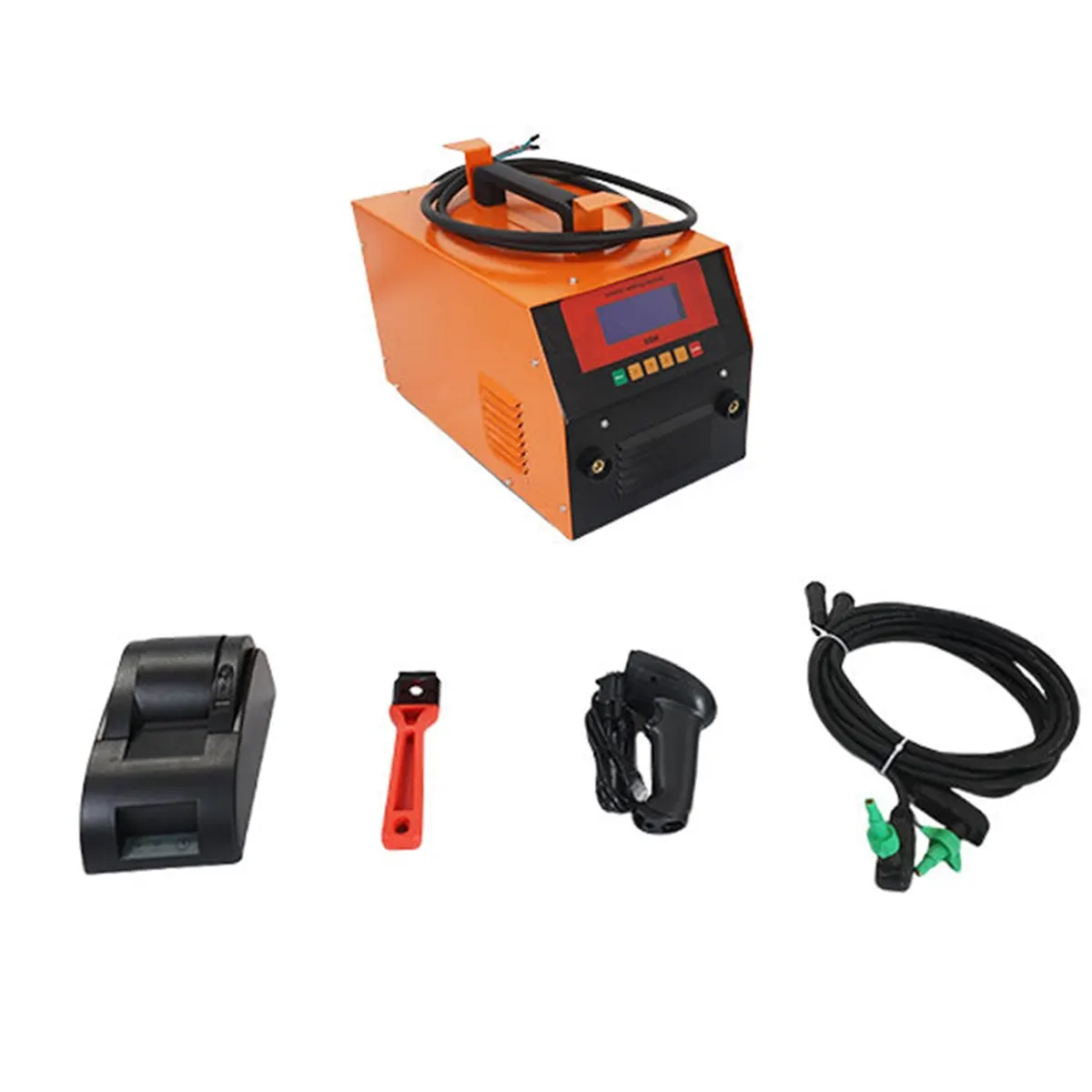
Used with electrofusion fittings for repair, jointing in constrained spaces, and service connections. Useful for pipeline networks requiring quick onsite repairs in urban environments.
Selection Criteria — What Romanian Buyers Should Check
Pipe diameter range and pressure class: select a machine that covers the full range of your projects.
Portability vs. production: balance transport costs across Romania’s varied terrain with jobsite productivity.
Standards and certification: CE marking, EN 12201 compatibility, and traceable welding records where required by local authorities.
Service & spares availability: local or regional supplier support shortens downtime—consider logistics through ports like Constanța for imports.
Training & documentation in English or Romanian to accelerate operator qualification and compliance.
Quick Comparison Table
| Feature | Recommended Machine Type | Typical Pipe Range |
|---|---|---|
| Small rural repairs, low budget | Manual Butt Fusion | 20–315mm |
| Municipal mains, high reliability | Hydraulic Butt Fusion | 160–2000mm+ |
| High-volume, traceable welds | Automatic (CNC) Butt Fusion | 63–1250mm |
| Service connections and repairs | Electrofusion | 20–630mm (depending on fitting) |
Purchase & Logistics Tips for Romania
Verify CE certification and ask for welding procedure files and traceable records—these are often needed for public tenders.
Consider delivery routes: sea freight to Constanța or road transport from EU warehouses can affect lead time and VAT treatments.
Request training packages and spare parts lists to ensure continuous operation across the country’s urban and rural sites.
Maintenance & Operator Checklist
Regular inspection of heaters, clamps and hydraulic lines.
Calibration and test fusion records after any major transport or heavy use.
Keep an inventory of consumables: heating plates, scrapers, gaskets and spare electrofusion control units.
Final Recommendation
For reliable HDPE welding solutions tailored to Romania’s diverse projects, consider manufacturers that provide CE-compliant machines, operator training, and spares support. Manufacturer: JQ-Fusion offers manual, hydraulic and CNC automatic butt fusion machines suited to municipal, agricultural and industrial pipework.



