
Electrofusion pipe fitting welding equipment is a specialized solution for joining HDPE (high-density polyethylene) pipes and fittings using electrically heated fittings. This method delivers reliable, leak-free joints that are widely used in utility networks, gas distribution, water supply, and industrial piping systems. In this guide you’ll learn how electrofusion machines work, where they’re best applied, and the benefits they bring to contractors and pipeline installers.
How Electrofusion Welding Works
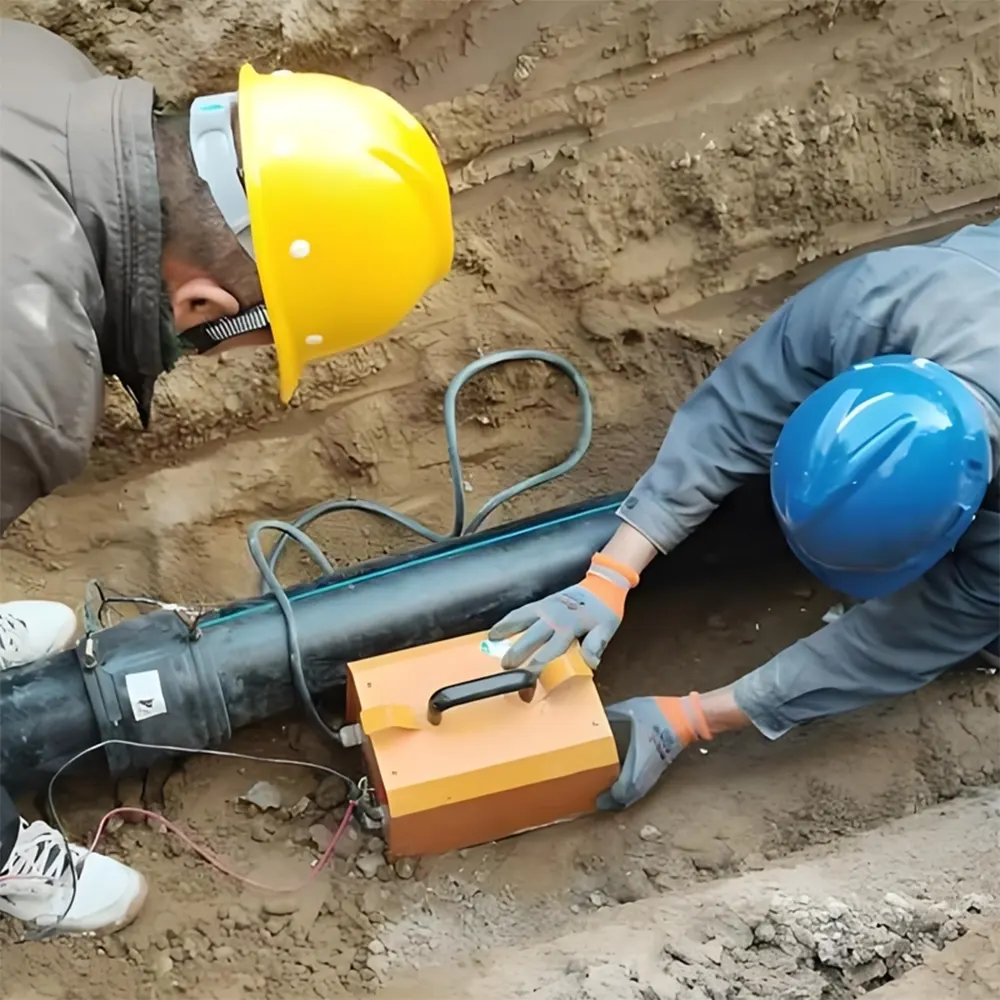
Electrofusion welding uses fittings with built-in resistance coils. When an electrofusion control unit applies a controlled electric current, the coil heats the fitting’s internal surface, melting both the fitting and pipe surfaces to create a fused joint as the assembly cools under pressure. The process is automated by the electrofusion machine which controls voltage, current, and time to ensure consistent results.
Key Components of an Electrofusion Machine
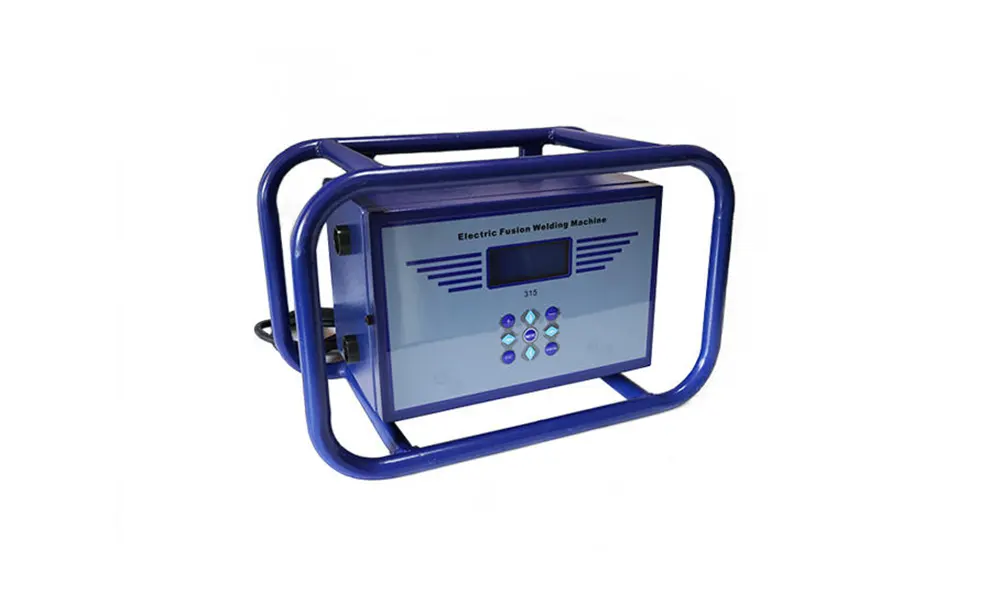
Electrofusion control unit – manages the welding program and records parameters. Clamping frame – holds pipes and fittings accurately in position. Cable and leads – connect the control unit to the fitting. Modern units include memory, barcode scanning, and diagnostic displays for traceable weld records.
Common Uses and Applications
Electrofusion is especially suited to:
- Gas distribution networks where safety and leak prevention are critical.
- Municipal water supply pipelines that require durable, corrosion-free joints.
- Sewer and drainage systems where alignment and sealing are challenging.
- Industrial installations with complex fittings, saddle tees, or reduced-space conditions.
Advantages Over Other Joining Methods
Electrofusion offers several compelling benefits:
- High joint integrity and resistance to external loads.
- Minimal excavation and easier repairs in tight or congested sites.
- Traceable weld records with modern controllers for quality assurance.
- Compatible with a wide range of HDPE fittings and sizes.
Electrofusion vs. Butt Fusion — Quick Comparison
| Feature | Electrofusion | Butt Fusion |
|---|---|---|
| Best use | Fittings, repair, tight spaces | Long straight pipe runs |
| Equipment mobility | Compact, portable | Bulky frames and heaters |
| Skill level | Moderate — follow parameters | Higher — precise alignment required |
| Record keeping | Excellent (digital logs) | Good (manual/digital depending on unit) |
Choosing the Right Electrofusion Unit
When selecting equipment, consider pipe diameter range, built-in features (barcode scanning, memory), portability, and compliance with local standards. For contractors working on utility projects, a unit with digital logging and user-friendly interfaces reduces rework and improves safety compliance.
Best Practices for Reliable Joints
To ensure consistent weld quality:
- Prepare and clean pipe surfaces thoroughly before welding.
- Follow manufacturer welding parameters precisely (time, voltage, pressure).
- Use certified fittings and maintain your electrofusion unit regularly.
- Keep ambient conditions in mind; cold or wet environments require attentive prep and shielding.
Why Manufacturers and Contractors Trust Quality Equipment
High-quality electrofusion machines boost productivity and reduce project risks. Companies like JQ-Fusion design and manufacture dedicated HDPE fusion equipment, including electrofusion controllers, to meet industry needs. Reliable equipment and proper training together yield durable pipeline systems with fewer failures and lower lifecycle costs.
Final Tip
Invest in a control unit with logging capability and ensure operators are trained to read and store weld reports — this small step greatly improves traceability and long-term system reliability.



