
HDPE electrofusion welding machines are becoming essential tools for reliable pipe joining across Palestine’s infrastructure projects — from municipal water networks in Ramallah and Nablus to agricultural irrigation systems in the Jordan Valley. This article outlines the practical benefits, selection tips, and on-site considerations for contractors, NGOs, and utilities choosing electrofusion solutions in Palestine.
Why Electrofusion for HDPE Pipes in Palestine?
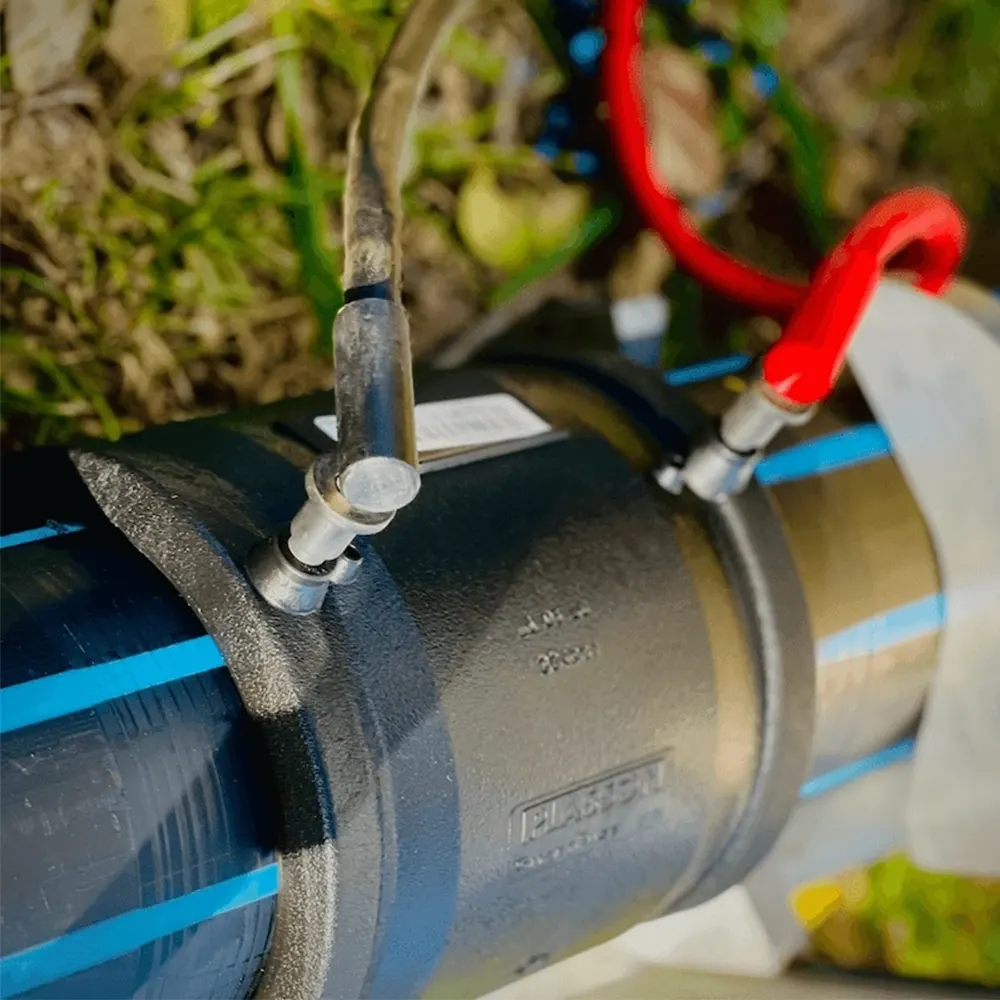
Electrofusion welding provides a consistent, leak-proof joint ideal for the varied needs of Palestinian projects: resilient drinking-water distribution, donor-funded sanitation works, and flexible rural irrigation installations. Compared with mechanical fittings or solvent methods, electrofusion offers higher joint integrity, reduced excavation time, and better performance under fluctuating pressures common in local supply networks.
Common Applications across Palestinian Regions
Electrofusion units are widely used by municipal crews and private contractors for:
– Potable water pipelines and service connections in urban areas.
– Drip and sprinkler irrigation lines for olive groves and vegetable farms.
– Stormwater and sewer rehabilitation projects where trenchless or limited-access joining is required.
– Temporary and permanent gas distribution networks in approved areas.
Key Features to Look For
When evaluating machines, local teams often prioritize:
– Portability and power options — battery or generator compatibility for remote West Bank or Gaza sites.
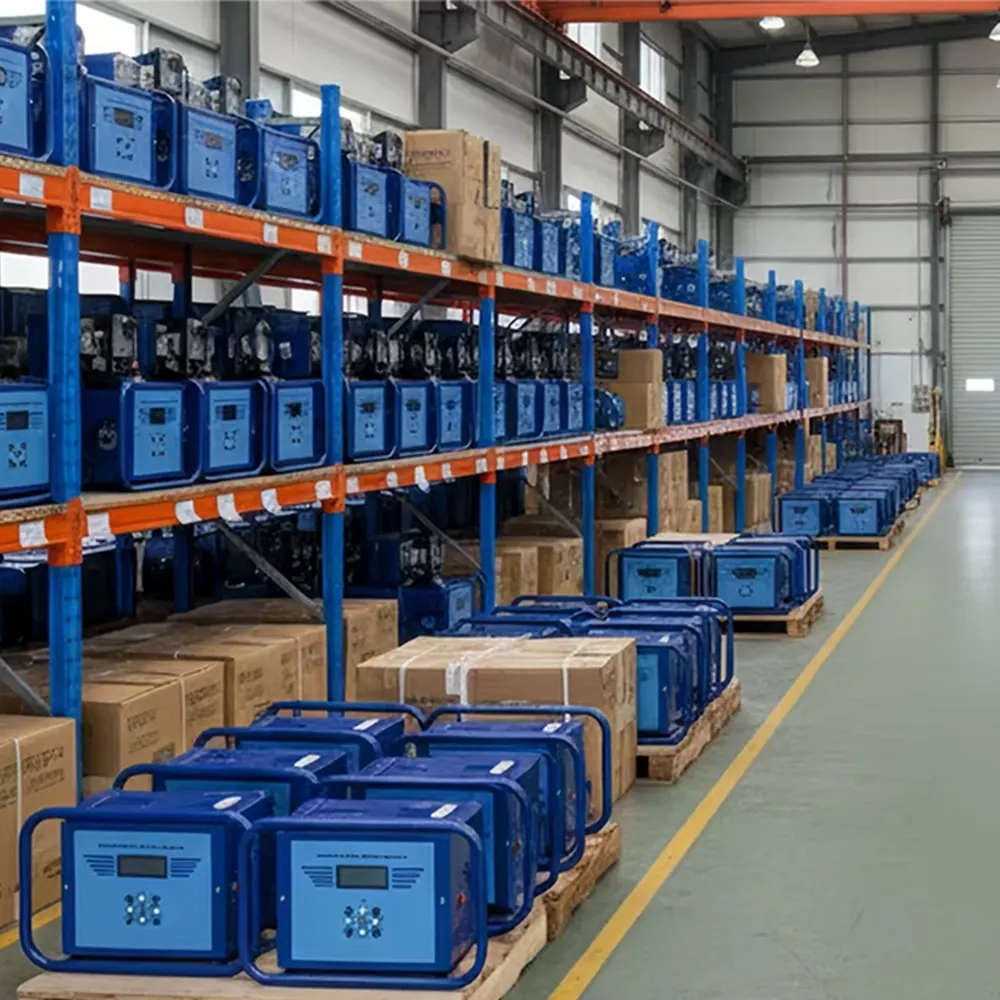
– Built-in control and QA logging — automatic welding profiles that record cycle parameters for compliance and project documentation.
– Range and adaptability — models that support common local pipe diameters from small service lines to large mains.
Quick Model Comparison
| Model | Pipe Range (mm) | Power | Best For |
|---|---|---|---|
| EF-160 | 20–160 | Battery / 230V | Domestic service connections |
| EF-500 | 160–500 | Generator / 230V | Municipal mains & irrigation |
| EF-AUTOMATE | 20–630 | AC + integrated logging | Large projects & quality-controlled sites |
Installation & On-site Best Practices
To maximize weld quality in Palestinian field conditions:
– Clean pipe ends and fittings carefully to remove dust and sand from open trenches.
– Use the correct heating time and pressure profile for the ambient temperature; cold weather or windy coastal conditions can extend cycle times.
– Keep a calibration log and weld reports for each joint to meet donor or municipal acceptance criteria.
Maintenance and Training
Local technicians should receive hands-on training in electrofusion procedures and basic machine maintenance. Routine calibration checks, inspection of leads and connectors, and proper storage of coils and fusion fittings will extend machine life and reduce downtime on remote sites.
Quality, Compliance, and Supplier Support
Choose machines with clear QA features and support for traceable weld records. For procurement and after-sales service in Palestine, consider suppliers who offer spare parts, technical manuals, and remote troubleshooting options. Manufactured by JQ-Fusion, these solutions pair proven machine design with industry support for diverse project scales.
Selecting the Right Partner
When procuring electrofusion equipment in Palestine, balance machine capability with local serviceability. Prioritize vendors who can advise on project-specific needs — pipe diameters, expected workloads, and site power constraints — and who provide accessible training and parts delivery options.
Final Notes for Project Teams
Electrofusion welding is a robust, long-term method for HDPE pipe joining that supports Palestine’s infrastructure goals. By selecting the right machine, following site best practices, and documenting welds, contractors and utilities can deliver safe, leak-free networks that meet regulatory and donor requirements.



