
Rwanda’s rapid investment in water supply, agriculture irrigation, and urban infrastructure makes choosing the right butt fusion machine supplier critical for contractors, utility departments, and local fabricators. This guide helps engineers, procurement officers, and project managers in Rwanda identify the best supplier for HDPE pipe fusion machines, covering machine types, service expectations, import considerations, and on-site training.
Understand Your Project Needs
Pipe diameter and job scale: Small distribution networks around Kigali and rural water projects often use 20–160mm pipes, while large irrigation or bulk water mains require 200–2000mm-capable machines. Choose a supplier that can match your typical diameter range.
Work environment: For frequent fieldwork on uneven terrain, portable manual or small hydraulic machines are practical. Stationary or factory welding favors automatic or CNC machines for repeatability.
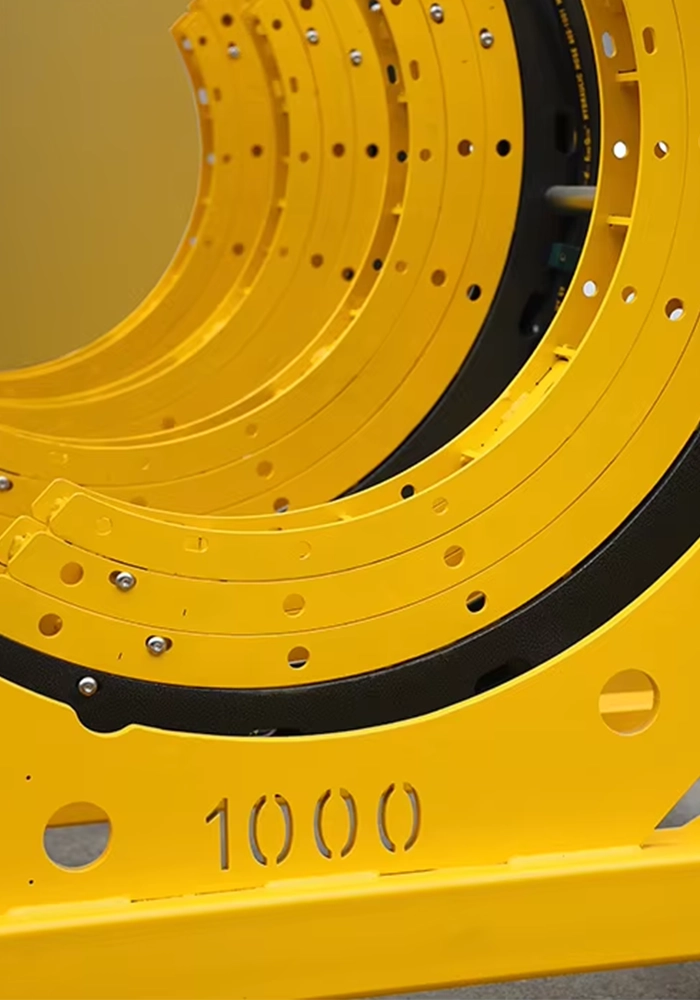
Compare Machine Types (Quick Reference)
Below is a visual comparison to help you quickly match technology to application.
| Machine Type | Best For | Pipe Range | Key Advantage |
|---|---|---|---|
| Manual Butt Fusion | Small jobs, rural teams | 20–160mm | Low cost, portable |
| Hydraulic Butt Fusion | Construction crews & municipal projects | 63–1600mm+ | Higher pressure control, reliable welds |
| Automatic / CNC | High-volume or precision work | 63–2250mm | Consistent parameters, data logging |
| Electrofusion | Fittings, repairs, complex joints | Fitting-specific sizes | Versatile for fittings and small repairs |
Key Supplier Criteria for Rwanda Projects
Local technical support and training: Suppliers should provide in-country or regional training for weld procedures and machine operation. Local contractors in Rwanda benefit from on-site commissioning and operator courses to meet project timelines.
Spare parts and consumables availability: Fast access to heating plates, cutters, and hydraulic seals reduces downtime—especially important when working in remote districts like Nyagatare or Rusizi.
Certifications and data reporting: Look for machines that support weld parameter logging and meet international standards (ISO/EN). Accurate weld records are often required by funders and local utilities.
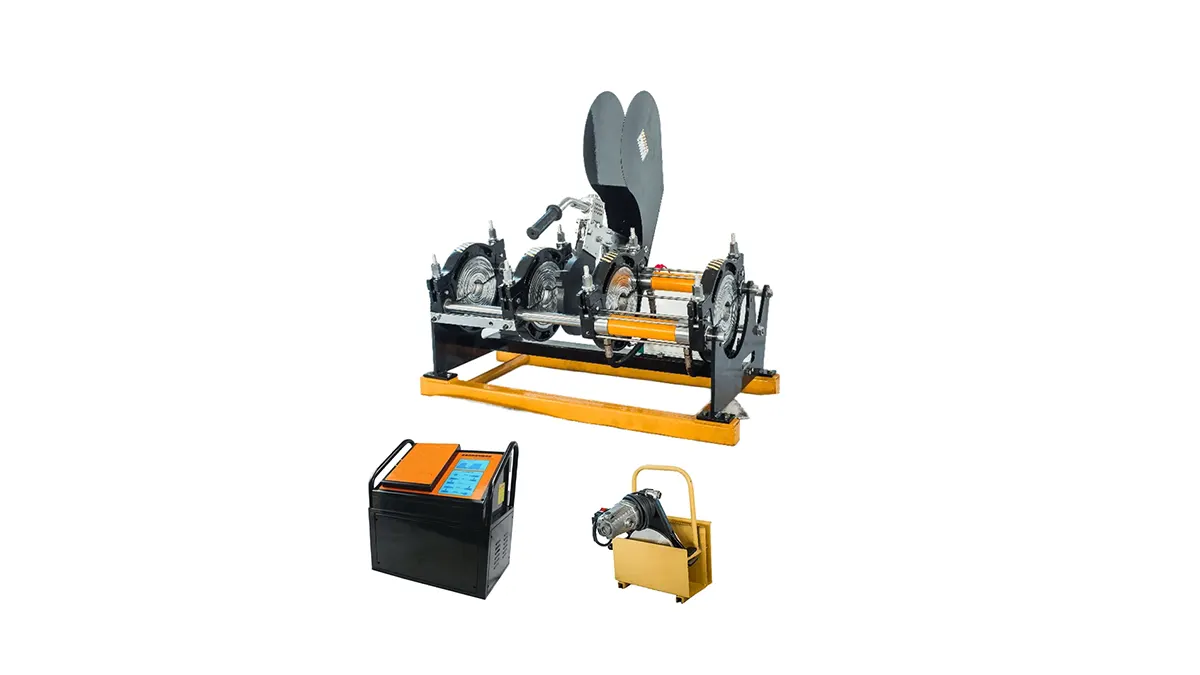
Procurement & Import Tips for Rwanda
Choose clear Incoterms and shipping plans: Decide between FOB, CIF, or DDP—DDP simplifies import clearance for teams without experience handling Rwandan customs.
Warranty and service agreement: Ensure the supplier offers an international warranty and an option for regional service partners. A 12–24 month warranty with spare parts kits is ideal.
Training and documentation in English or French: Rwanda commonly uses both languages in business; confirm manuals and training resources are available in the team’s preferred language.
On-Site Considerations
Power supply and fuel: Automatic machines may need stable power; plan for generators or voltage stabilizers in rural sites. Hydraulic systems require reliable fuel for project vehicles transporting machines.
Field welding conditions: Dusty or rainy seasons in Rwanda can affect heating plate cleanliness—insist on protective cases and easy-to-clean components.
Checklist Before You Sign
Ask the supplier for:
-
Detailed machine specifications and weld logs sample
-
Lead time and shipping options to Kigali
-
References from African projects or similar climates
-
On-site training plan, spare parts kit, and preventive maintenance schedule
Why a Trusted Manufacturer Matters
Reliable manufacturers can reduce rework, provide training, and supply parts quickly. For international projects in Rwanda, partner with a supplier that has proven export experience and clear after-sales channels. JQ-Fusion (https://jq-fusionwelding.com/) is an example of a specialized manufacturer offering manual, hydraulic, and automatic butt fusion machines, covering a wide pipe-size range and supporting global infrastructure deployments.
Next steps: Define your pipe size mix, expected weld volume, and available field support. Use this guide to evaluate proposals and prioritize suppliers that combine the right machine technology with dependable service for Rwandan conditions.



