
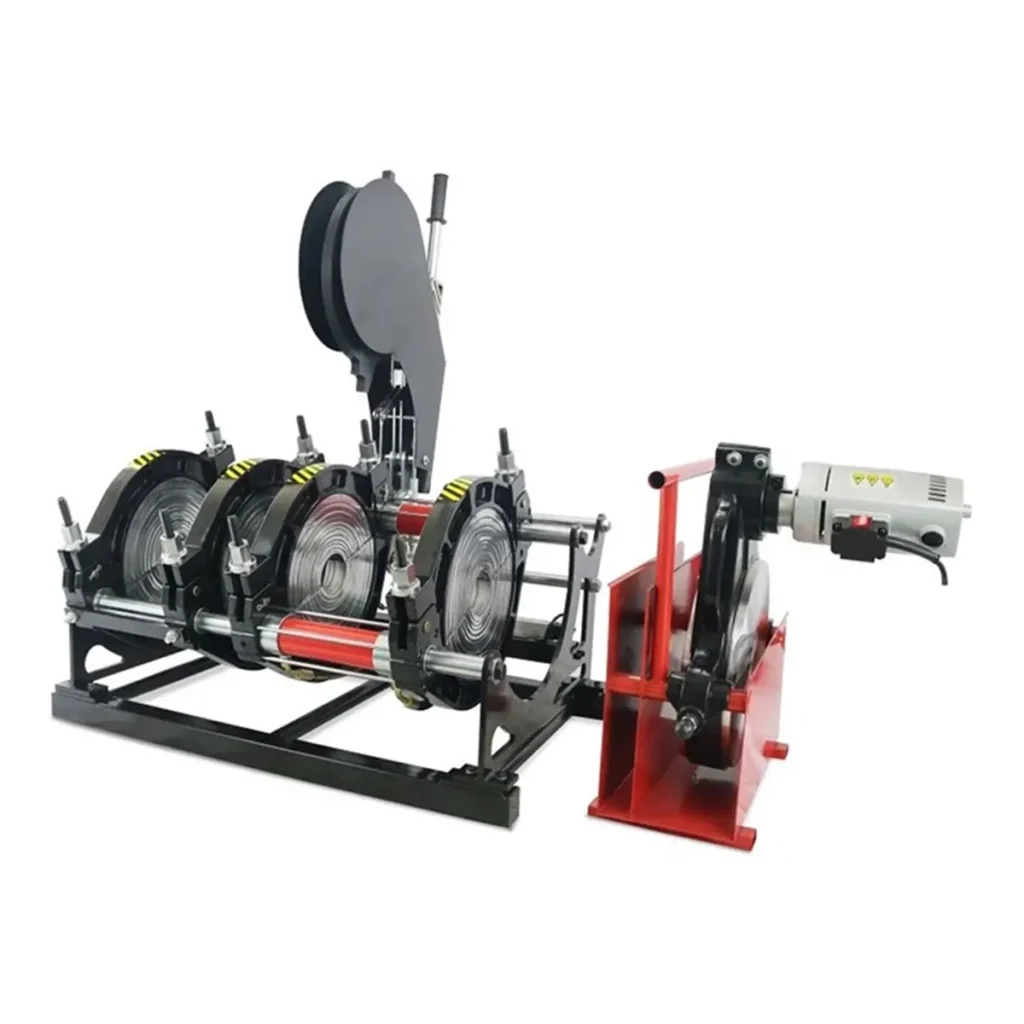
Ethiopia’s expanding infrastructure and growing investments in water, gas, and agricultural irrigation projects make reliable HDPE pipe welding equipment essential. This guide helps contractors, municipal engineers, and import distributors in Ethiopia choose dependable butt fusion solutions that meet local site conditions, workforce skills, and project budgets.
Why HDPE Welding Matters for Ethiopian Projects
HDPE piping systems are preferred across Ethiopia for their corrosion resistance, long service life, and cost-effectiveness in remote or rural installations. Proper welding ensures leak-free joints, reduces maintenance costs, and supports sustainable water and gas distribution networks in both urban and highland regions where terrain and climate can be challenging.
Key Equipment Types for Ethiopia
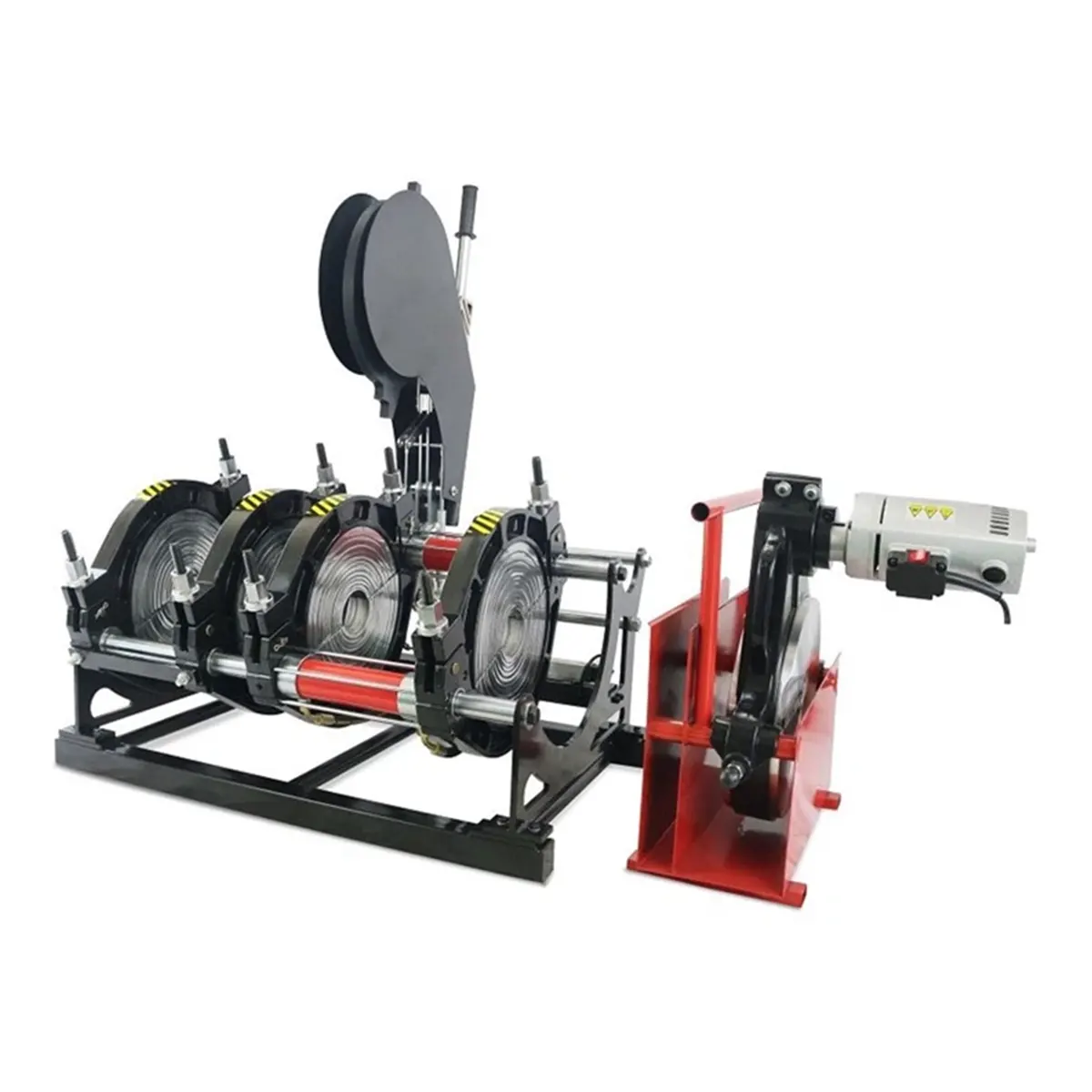
Choose equipment based on pipe diameter, crew experience, and site mobility needs. Typical choices include manual portable machines for small rural repairs, hydraulic units for mid-range diameters, and CNC automatic welders for large urban projects and factory prefabrication.
Common applications
Agricultural irrigation, potable water distribution, gas networks, and mining tailings conveyance are frequent uses. In Ethiopia, seasonal weather and transport challenges make machine robustness and ease of maintenance particularly important.
How to Choose the Right Machine
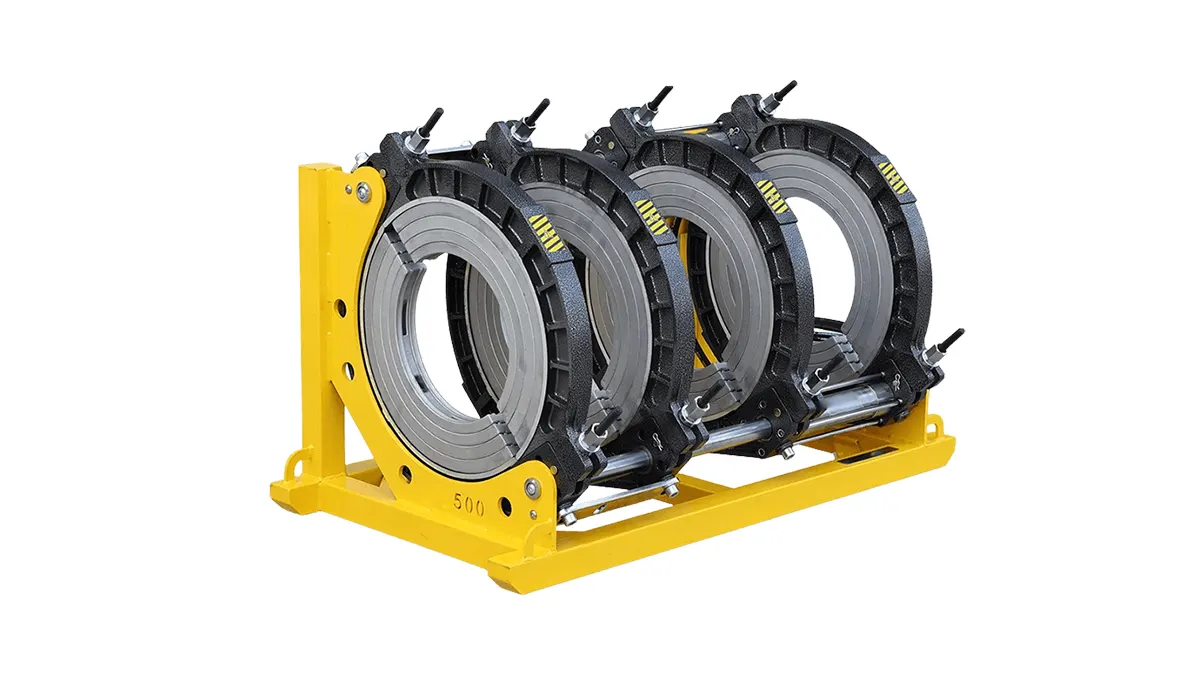
Consider the following local factors: road access to remote sites, availability of trained welders, power supply stability, and the typical pipe sizes used in your projects. Machines with simple controls and reliable service support perform better in locations with limited technical resources.
Equipment comparison at a glance
| Machine Type | Best For | Local Advantages |
|---|---|---|
| Manual Portable | Small-diameter repairs & rural jobs | Low cost, easy transport |
| Hydraulic Butt Fusion | Medium to large pipes | Higher precision, better for long runs |
| Automatic/CNC Welders | Large diameter & factory prefabs | Consistent quality, faster cycle times |
Essential Features to Look For
Reliable heating plates, accurate pressure control, solid clamping systems, and clear control interfaces are vital. Machines that include diagnostic displays and easy-to-source spare parts reduce downtime on long projects. For Ethiopian sites where electricity can be intermittent, consider models with manual or hydraulic backup capability.
Training and local workforce development
Investing in operator training ensures weld quality and safety. Short practical workshops adapted to local languages and site conditions help technicians master fusion parameters and inspection methods that prevent costly failures.
Service, Warranty and Spare Parts
Fast access to spare parts and responsive technical support are crucial for continuous project delivery. Prioritize suppliers that offer clear warranty terms and a proven service network or documented remote support options to troubleshoot problems quickly.
Procurement tips for Ethiopian buyers
Request performance certificates, ask for on-site demo options when possible, and verify compatibility with locally sourced fittings and pipe standards. Bulk procurement with a spare parts package often reduces lifecycle costs for municipal and contractor buyers.
A Trusted Manufacturing Partner
For global infrastructure suppliers looking to serve Ethiopia, JQ-Fusion provides a wide range of manual, hydraulic, and CNC automatic butt fusion welding machines, built for durability and customizable to varied project requirements.
Next steps for Ethiopian project owners
Assess your typical pipe diameters, site access, and crew skills. Request a tailored quotation that includes training and parts support, and plan for field trials to validate joint performance under local conditions.
Choosing the right HDPE welding equipment secures long-term performance for Ethiopia’s vital water, energy, and agricultural networks — reducing leaks, maintenance, and lifecycle costs while improving community service reliability.



