
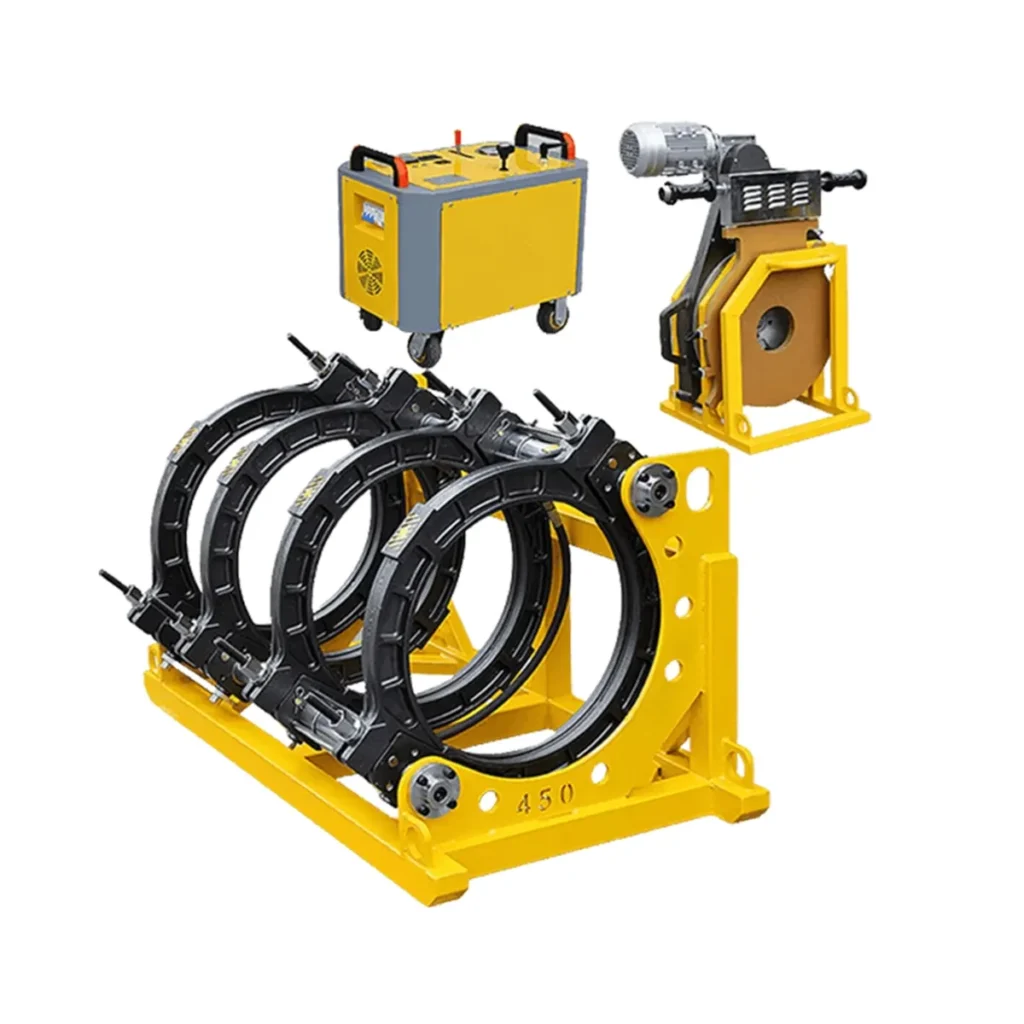
HDPE pipe networks are the backbone of many New Zealand infrastructure projects — from municipal water supply and rural irrigation to gas distribution and mining. Choosing the right fusion equipment ensures long-lasting, leak-free joints that perform well in Aotearoa’s diverse environments, from coastal soils to alpine conditions.
Why Butt Fusion Works for New Zealand Projects
Butt fusion is the preferred joining method for HDPE pipes across New Zealand because it creates a continuous, monolithic joint with excellent resistance to corrosion, ground movement, and freeze-thaw cycles. This is especially valuable for:
Regional councils, civil contractors, and farm irrigators who need durable, low-maintenance pipelines for long-term performance. Butt fusion reliably meets pressure and lifespan demands while minimizing the risk of contamination or leaks in potable water and wastewater systems.
Common Machine Types & Best Use Cases
Manual machines — Ideal for small-diameter pipes and remote sites where portability and simplicity matter. Great for on-farm repairs and small municipal projects.
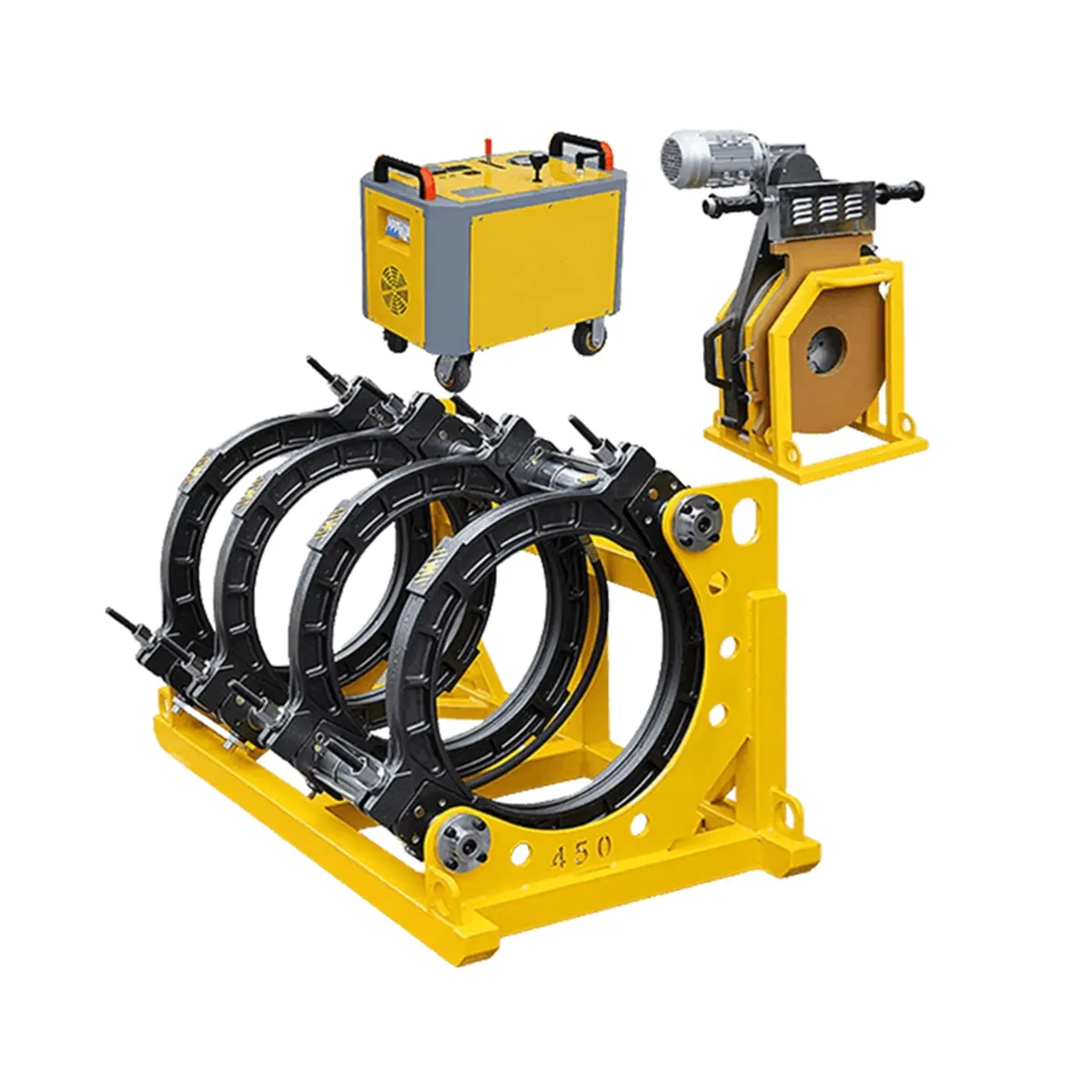
Hydraulic machines — Offer controlled pressure and repeatable results, suitable for medium to large pipelines used by councils, utilities, and contractors.
Automatic / CNC machines — Best for high-volume, precision welding in factory or large field installations where speed, data logging, and tight tolerances are required.
Key Features New Zealand Buyers Should Prioritize
– Portability and rugged construction for remote and varied terrain.
– Reliable power options (diesel/hydraulic/electric) to suit off-grid or urban sites.
– Easy access to spare parts and service, with clear maintenance procedures for long-term uptime.
– Compliance compatibility with local standards (e.g., AS/NZS specifications for PE pipes) and traceable weld documentation for council approvals.
Quick Comparison: Machine Choices for NZ Applications
| Machine Type | Typical Pipe Range (mm) | Best For | Delivery Consideration |
|---|---|---|---|
| Manual Butt Fusion | 20–315 | Rural irrigation, on-site repairs | Fast shipping, minimal setup |
| Hydraulic Butt Fusion | 160–1600 | Municipal water, gas mains | Requires freight planning for larger frames |
| Automatic / CNC Fusion | 63–1250+ | Large-scale, high-volume projects | Longer lead times; data logging useful for compliance |
Field Support, Training & Certifications in New Zealand
Successful HDPE fusion projects depend on operator skill and documented procedures. New Zealand contractors should look for suppliers or partners that provide:
– On-site or virtual training tailored to local soil, climate, and regulatory needs.
– Welding procedure qualification and traceable weld records for council approvals.
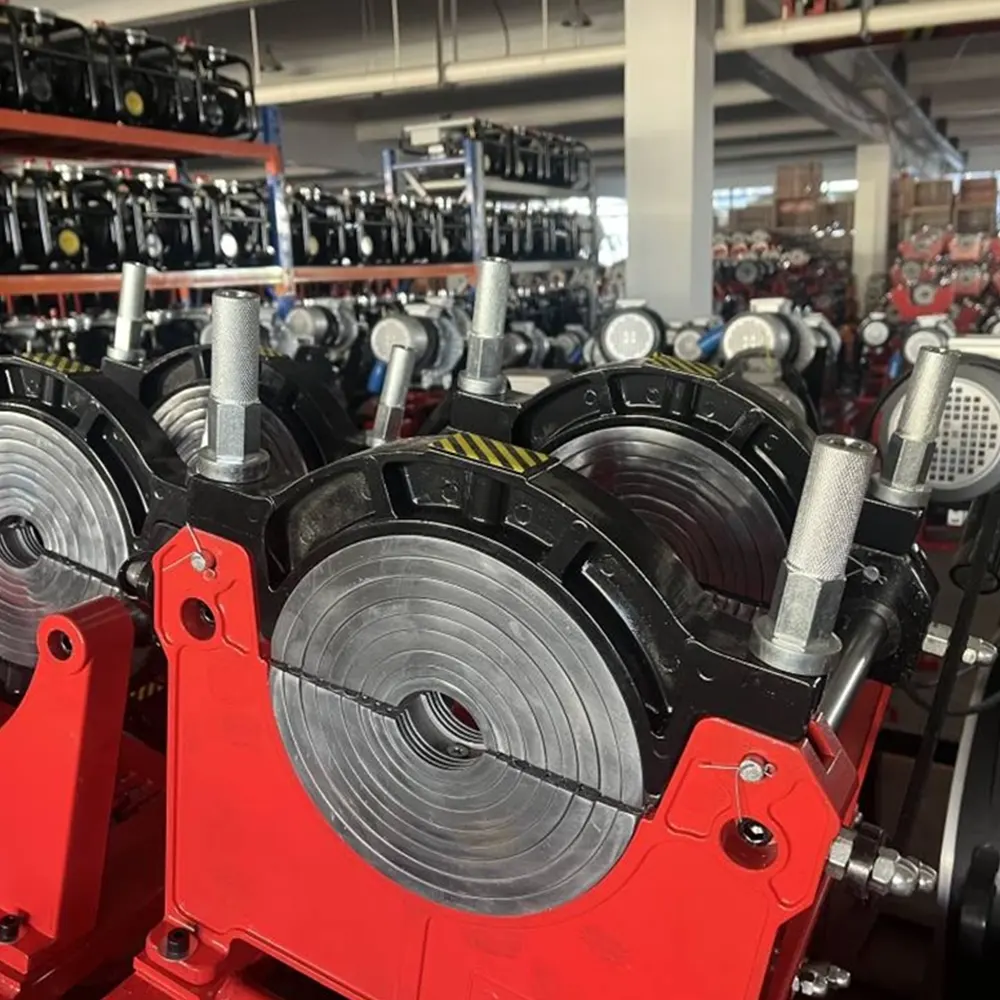
– Spare parts, consumables (heating plates, clamps), and technical support that can reach major centres like Auckland, Wellington, Christchurch, and regional districts.
Shipping, Customs & After-Sales Notes
When importing fusion equipment into New Zealand, factor in freight to port, import duties, and local electrical or safety testing. For remote projects — such as farm irrigation or rural water schemes — plan for spare parts kits and basic field tooling to reduce downtime.
About
JQ-Fusion is a professional manufacturer specializing in HDPE pipe welding machines, offering manual, hydraulic, and CNC automatic butt fusion machines for a wide range of pipe sizes and applications. Learn more at https://jq-fusionwelding.com/



