
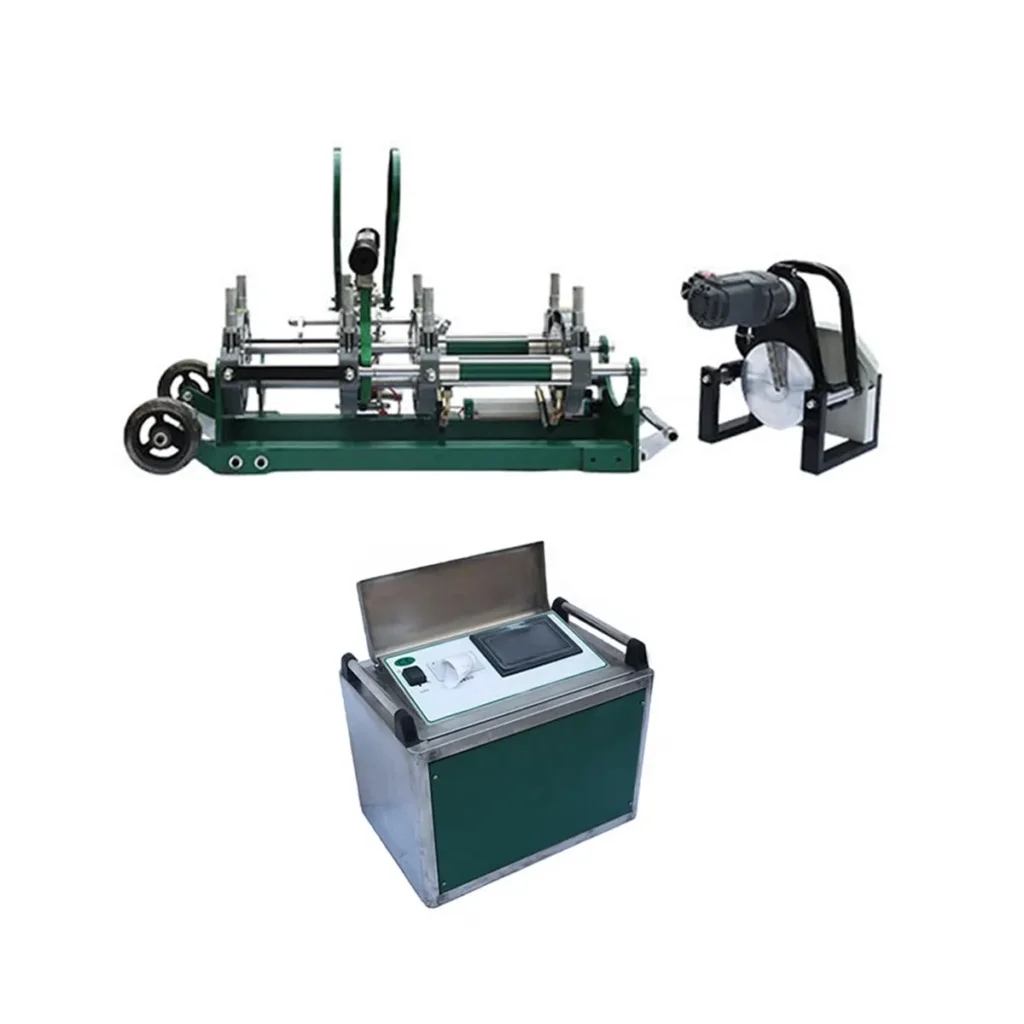
Switzerland’s infrastructure projects demand precision, durability, and compliance — especially when it comes to joining HDPE and other poly pipe systems. This article explores reliable poly pipe fusion machine solutions for industrial pipe welding across Swiss municipalities, alpine construction sites, and utilities, helping engineers, contractors, and procurement teams find the right equipment for water, gas, mining, and industrial pipelines.
Why Swiss Projects Need Robust Poly Pipe Fusion Machines
Harsh climates, strict standards, and long-term reliability make weld quality non-negotiable in Switzerland. From frozen alpine valleys to urban utility corridors, properly fused HDPE pipelines minimize leak risks, reduce maintenance, and ensure regulatory compliance with local codes and EN/ISO standards commonly referenced by Swiss public works.
Key Benefits for Swiss Contractors
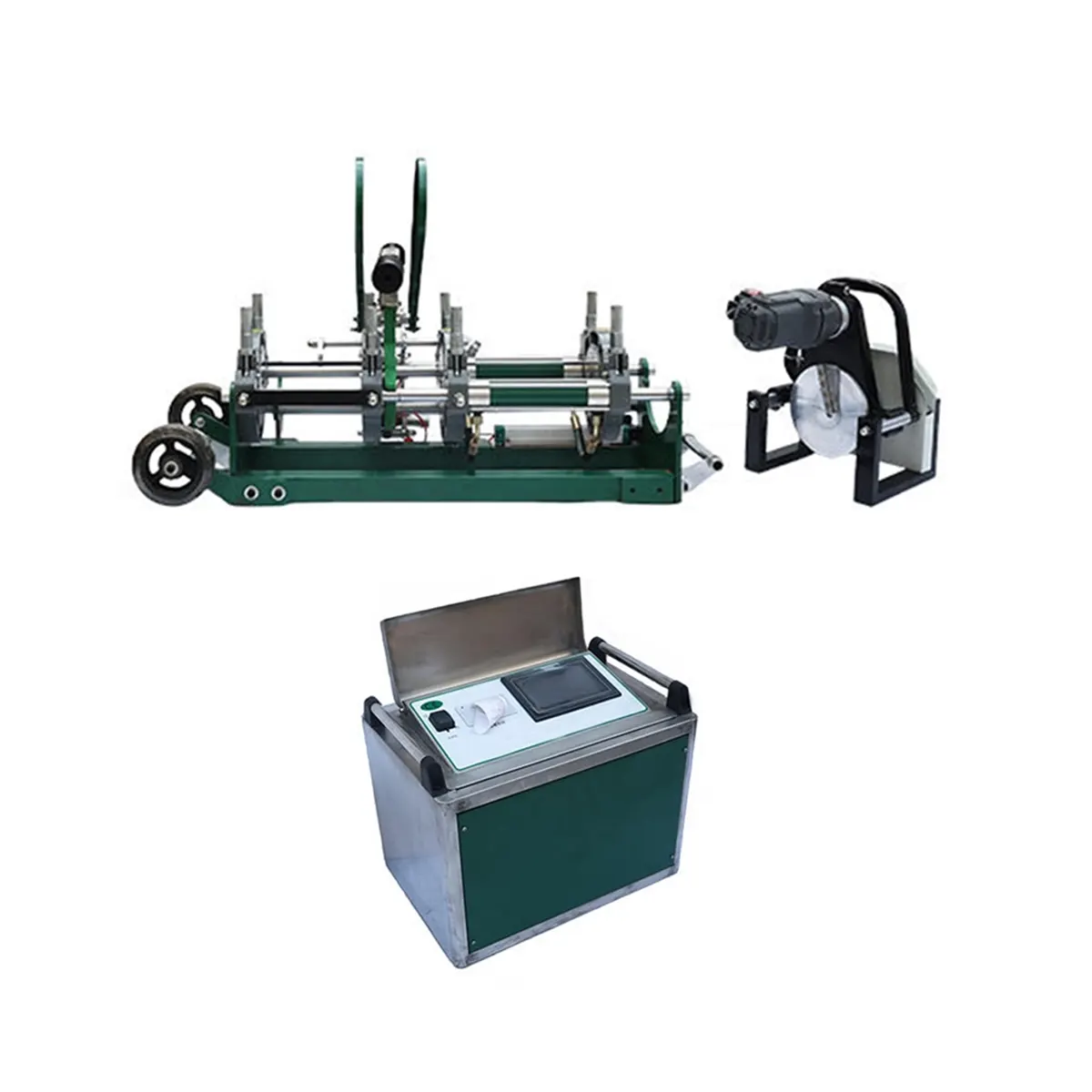
Consistent fusion quality — automated and hydraulic units deliver repeatable heating and pressure cycles. Field adaptability — portable manual machines suit tight urban sites while large-diameter hydraulic/CNC systems handle trunk lines. Lower lifecycle costs — fewer joints and professional welds translate to long-term savings for municipal budgets and private operators.
Common Machine Types and When to Use Them
Manual Butt Fusion — best for small-diameter repairs and remote sites where mobility is essential. Hydraulic Butt Fusion — ideal for medium to large diameters with higher clamp stability and force. CNC Automatic Butt Fusion — recommended for high-volume, precision-critical projects like major water mains and industrial pipelines.
Applications across Switzerland
Swiss water utilities, gas distributors, district heating networks, and industrial sites rely on welded poly pipelines for corrosion resistance and flexibility. Alpine ski-resort systems and hydropower feeder lines benefit from robust fusion equipment that withstands temperature swings and ground movement.
Technical Snapshot: Typical Features to Look For
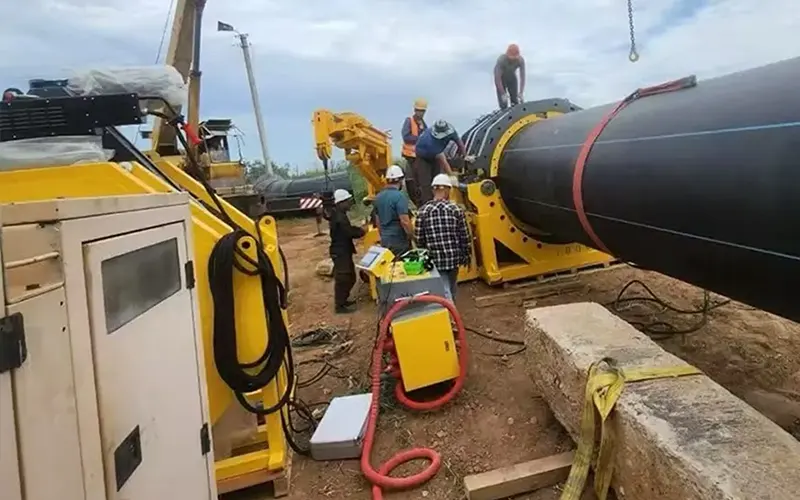
Choose machines with precise temperature control, adjustable heating plates, reliable hydraulic systems, and compatibility with common pipe SDRs and materials. For Swiss projects, look for devices that support traceable welding records — helpful during inspections and long-term asset management.
Comparison Table — Typical Models & Suitability
| Model Category | Diameter Range | Best For |
|---|---|---|
| Manual Butt Fusion | 20mm – 160mm | Field repairs, remote sites |
| Hydraulic Butt Fusion | 160mm – 2000mm+ | Large mains, trunk pipelines |
| CNC Automatic Fusion | 63mm – 1600mm | High-volume, precision welding |
Installation & Certification Considerations in Switzerland
Swiss projects often require documented welding procedures and qualified operators. Ensure equipment supports record-keeping or connectable data loggers for proof of weld parameters. Consider local language needs (German, French, Italian) when providing operation manuals and on-site training.
Service, Spare Parts & Lifecycle Support
Availability of spare parts and fast technical support are crucial in alpine logistics and urban timelines. Prioritize partners offering responsive maintenance, calibration, and training services to avoid project downtime.
Buying Tips for Swiss Buyers
Assess machine portability vs. throughput, request sample weld records, verify compatibility with local pipe standards, and confirm warranty and spare-part channels. For municipal tenders, include traceability and operator certification clauses to protect investment value.
Contact & Next Steps
For product details, specifications, and tailored solutions for Swiss projects, contact JQ-Fusion: https://jq-fusionwelding.com/



