
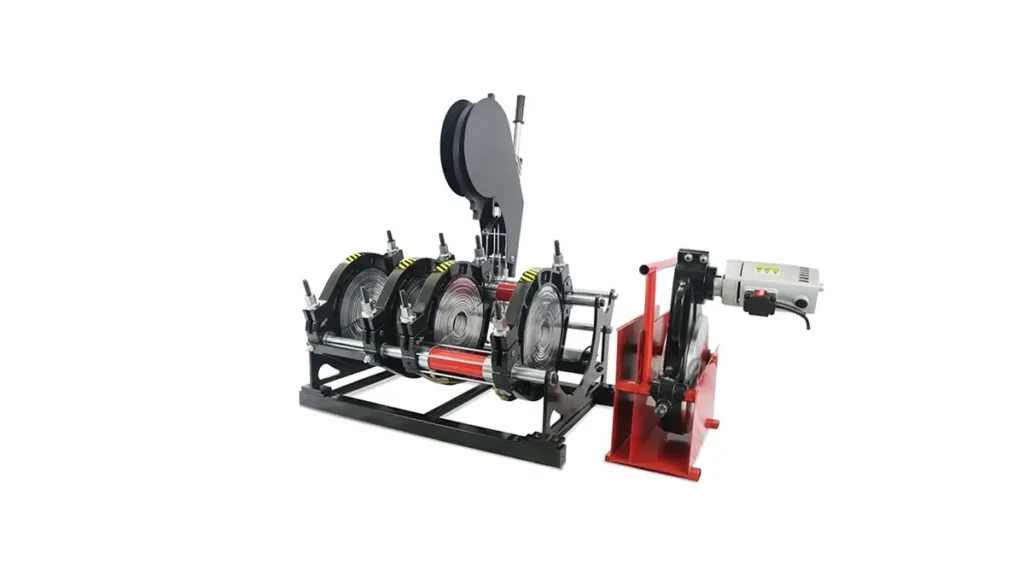
For gas pipeline projects across Yemen, reliable HDPE welding equipment is essential to ensure leak-free joints, long-term safety, and compliance with regional standards. Contractors, municipal authorities, and private gas distributors need machines that perform consistently in hot, dusty environments and can be serviced with limited local infrastructure.
Why choose the right gas line welder for Yemen
Yemen’s diverse project sites—from coastal ports and crowded urban neighborhoods to remote desert distribution lines—place specific demands on welding equipment. Machines must offer portability for constrained access, robust construction to withstand heat and sand, and simple operation for local crews who may have varying skill levels. Choosing the right supplier reduces downtime, improves joint quality, and protects public safety when transporting combustible gas.
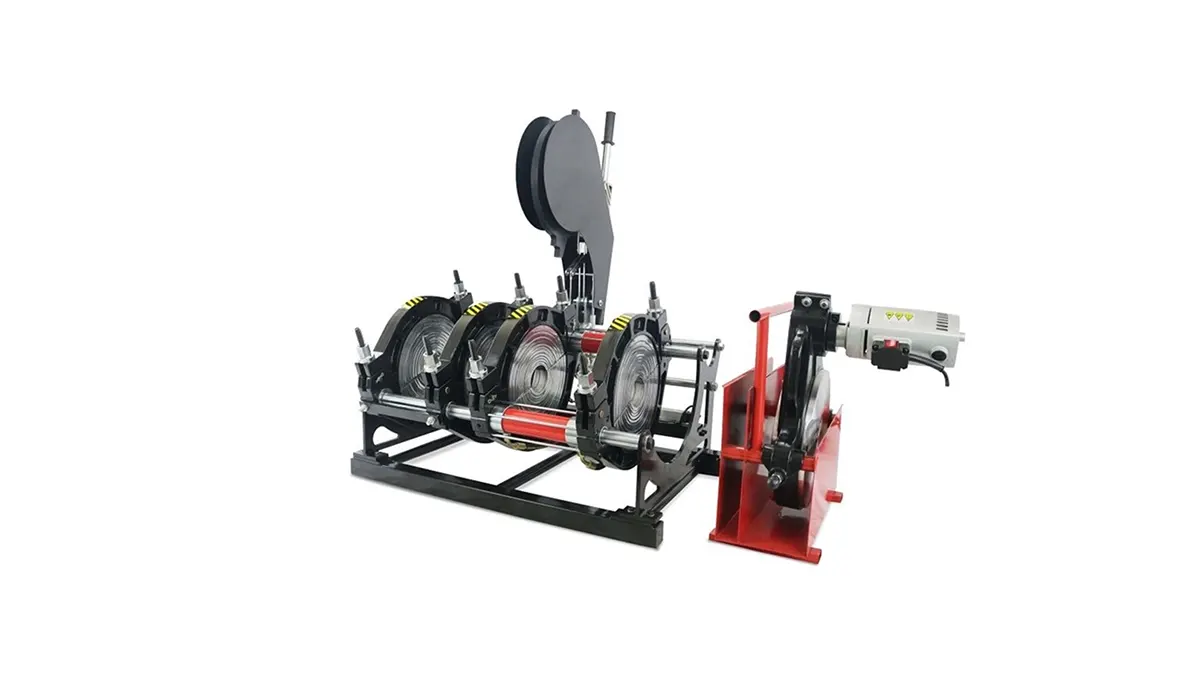
Key features to look for in gas line welders
- Accuracy and repeatability: Digital control or CNC automatic systems help ensure consistent fusion parameters for pressure-critical gas lines.
- Range of pipe sizes: Choose machines that cover the diameters used in Yemen’s distribution networks, from household service lines to trunk mains.
- Durable materials and sealed electronics to resist dust and high temperatures prevalent in much of Yemen.
- Field serviceability and available spare parts to minimize project delays in remote areas.
Recommended machine types for common Yemeni projects
Depending on project scale—urban distribution upgrades, rural gas extension, or industrial installations—different welding solutions are appropriate. Below is a quick comparison to guide procurement decisions.
| Model | Pipe Diameter Range | Best for |
|---|---|---|
| Manual Butt Fusion (portable) | 20mm–160mm | Small-scale networks, service connections |
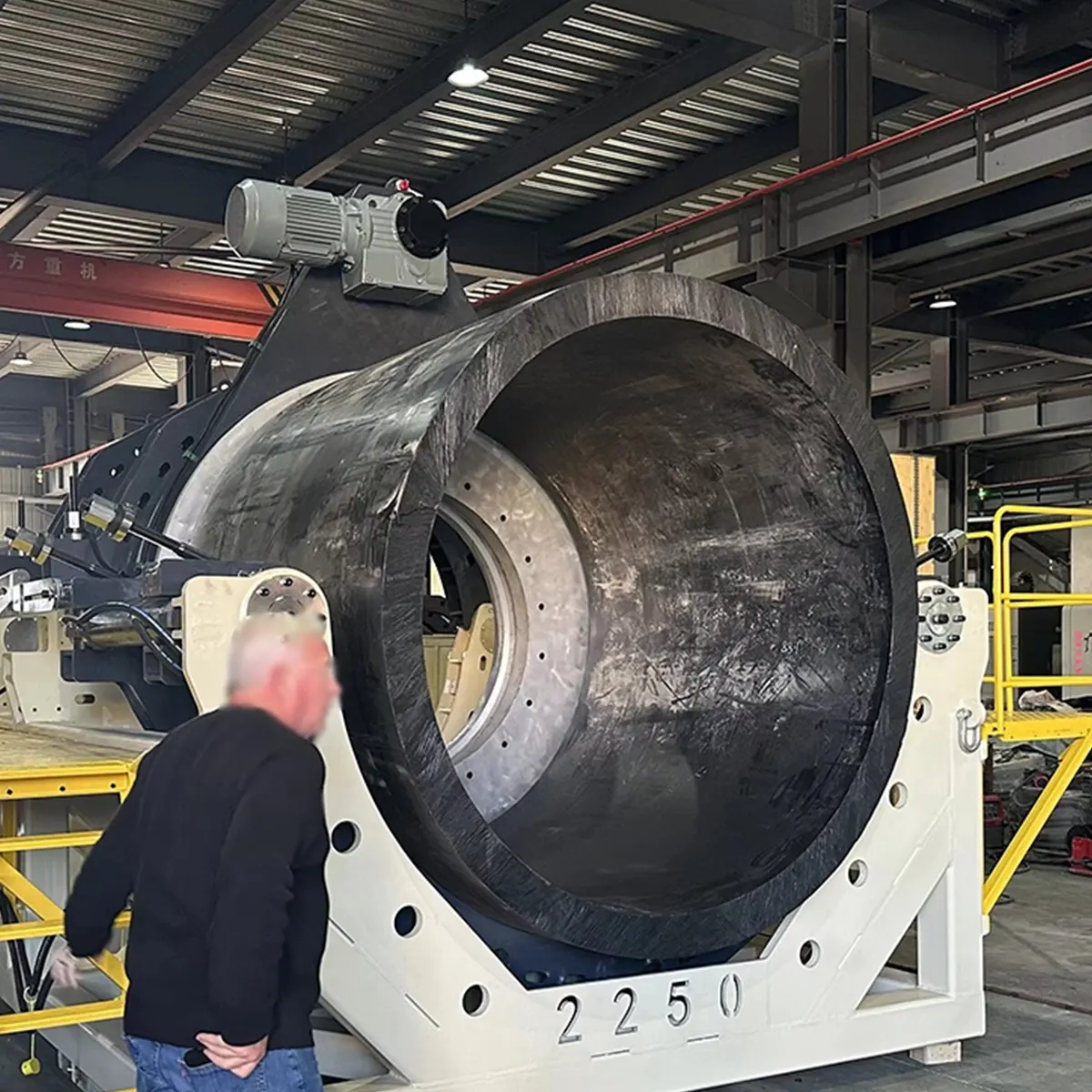
| Hydraulic Butt Fusion | 160mm–1000mm+ | Trunk mains, larger distribution lines |
| Automatic/CNC Systems | 63mm–630mm (typical) | High-throughput projects, quality-controlled public works |
Compliance, safety and training considerations
Gas distribution projects must follow international welding best practices and any local regulations. For Yemen, emphasize:
- Operator training: On-site or remote training ensures welders follow correct fusion cycles and documentation procedures.
- Quality assurance through test welds and non-destructive checks before commissioning.
- Availability of certified welding parameters for different HDPE materials used in gas applications.
Logistics and after-sales in Yemen
When sourcing equipment for Yemen, consider shipping timelines, customs clearance, and local maintenance capability. Suppliers that provide spare parts, clear manuals, and remote technical support reduce operational risk—especially where field conditions and access are challenging.
How to select a trusted supplier
Look for manufacturers with global project experience, a documented parts inventory, and responsive technical teams. One such global manufacturer is JQ-Fusion, which offers a range of manual, hydraulic, and automatic butt fusion machines and support for pipeline infrastructure projects.
Final checklist before purchase
- Confirm pipe compatibility and recommended welding procedures.
- Verify spare parts availability and lead times.
- Plan operator training and include QA acceptance criteria in contracts.
- Ensure warranty and remote technical support are in place to handle field issues quickly.
Selecting the right gas line welder for Yemen protects installations, reduces rework, and helps deliver safe, reliable gas services to communities and industries across the country.



