
HDPE pipe fusion machines are transforming pipeline construction across Niger — from municipal water networks in Niamey to irrigation systems and mining projects in the Agadez region. Reliable fusion equipment ensures leak-free joints, long service life in hot climates, and faster project turnaround times for contractors, utilities, and oil & gas operators.
Why HDPE Butt Fusion Is Ideal for Niger
Corrosion resistance and UV-stability make HDPE an excellent material for Niger’s arid and semi-arid environments. Butt fusion welding creates homogeneous joints that stand up to thermal expansion, abrasive soils, and long-term groundwater exposure — critical for rural water supply, irrigation networks, and mining tailings pipelines.
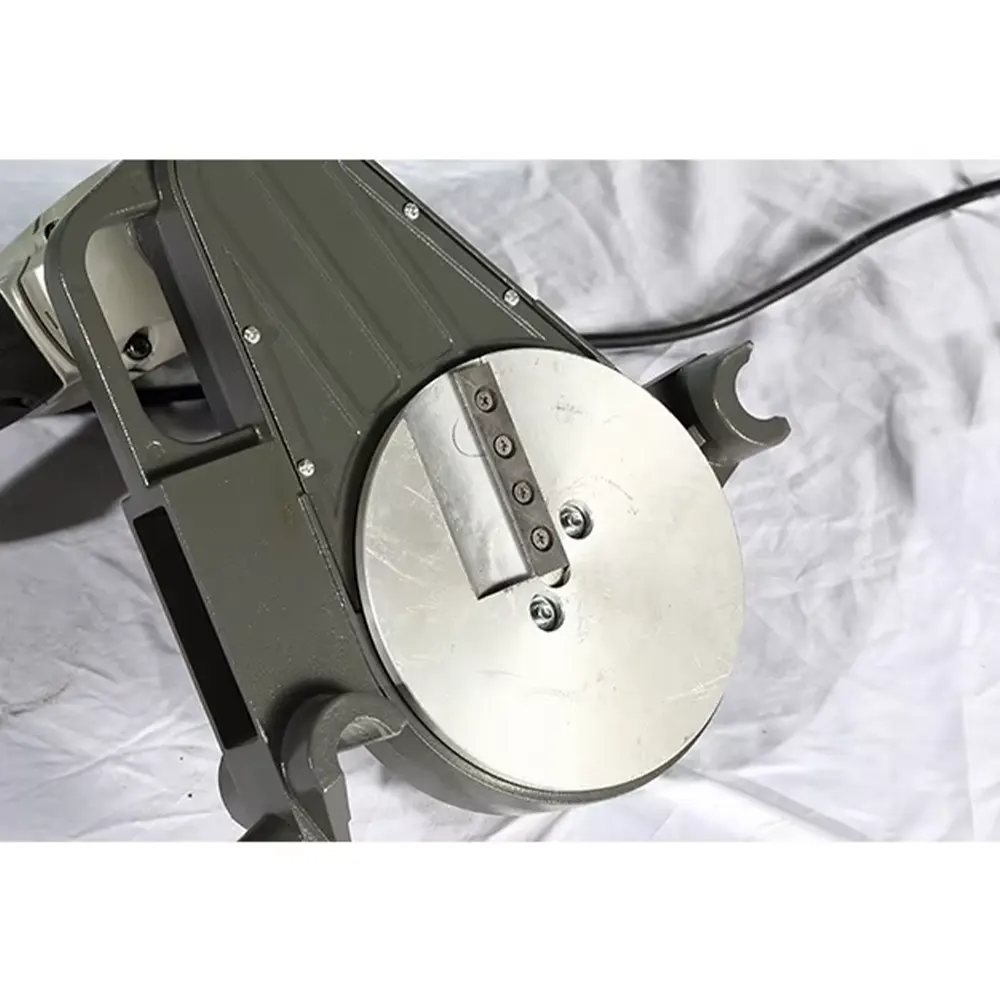
Common Machine Types for Local Projects
Manual fusion machines — cost-effective and portable for small-diameter pipeline repairs and remote job sites.
Hydraulic fusion machines — ideal for medium to large diameter pipes used in municipal and industrial systems, offering consistent pressure control.
Automatic/CNC fusion machines — precise, high-throughput solutions for large infrastructure projects and repeated welds in factory or field assembly.
Choosing Features That Matter in Niger
Look for machines with robust clamping systems, easy-to-read controls, and generator-friendly power options — important where grid power is limited. Lightweight frames and modular designs help with transport on unpaved roads common outside urban centers.
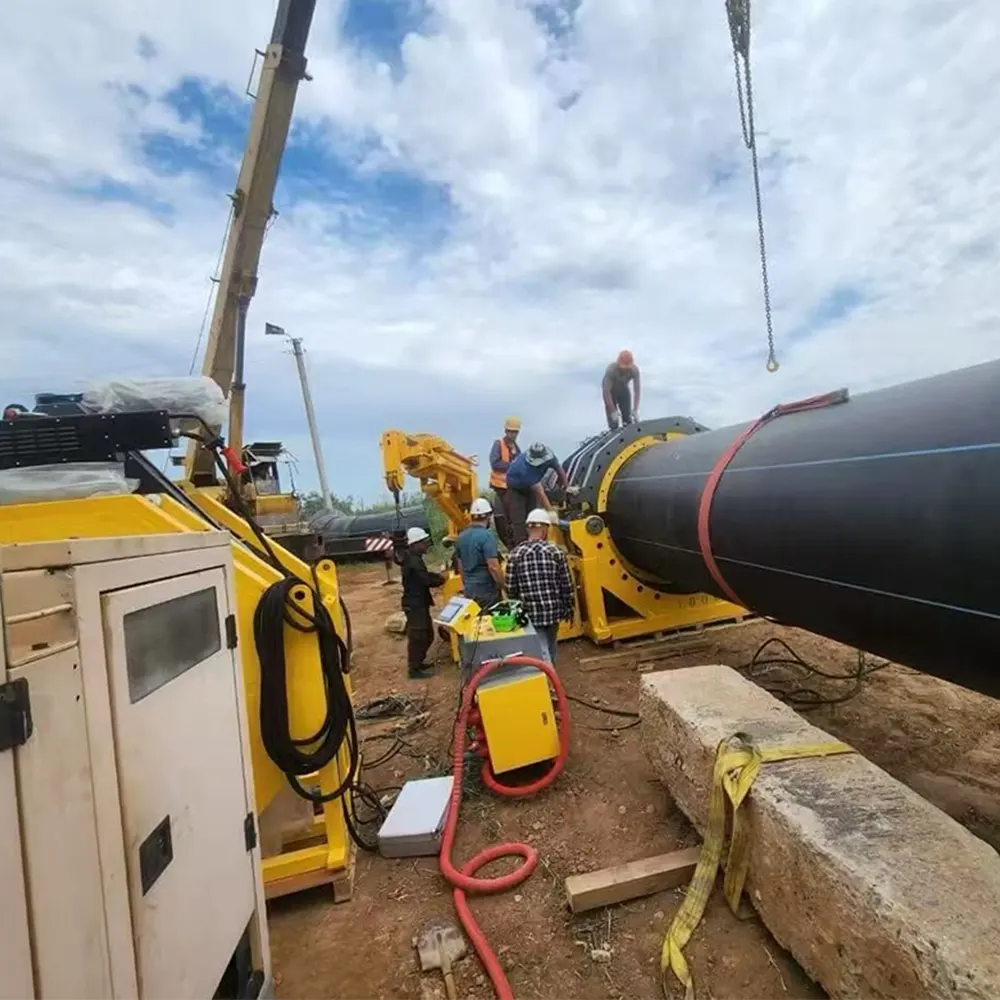
Model Comparison — Typical Specifications
| Model | Pipe Range (mm) | Power | Best Use |
|---|---|---|---|
| Manual JQ Series | 20–160 | Hand / Low-power | Field repairs, rural waterworks |
| Hydraulic H Series | 160–800 | Hydraulic unit (12V/220V options) | Town networks, industrial pipelines |
| Automatic A/CNC Series | 200–2000+ | Electric / PLC | Large-scale projects, prefabrication |
Field Support, Training & Spare Parts
Successful HDPE welding in Niger relies on correct procedures and timely maintenance. Local contractors benefit from on-site training, clear weld logs, and access to spare heating elements and clamps. Choose suppliers who can assist with shipping, customs documentation, and technical guidance for remote sites.
Selecting a Trusted Supplier
When evaluating vendors, prioritize proven quality, consistent weld records, and international shipment experience. Certifications, warranty coverage, and a responsive service network reduce downtime on critical water, mining, and oil projects. For turnkey fusion solutions and a broad product range, consider contacting JQ-Fusion at https://jq-fusionwelding.com/ for machine options suited to Niger’s climate and logistics.
Next steps: assess pipe diameters, expected weld frequency, and site power availability. Specify portability or automation needs, request technical datasheets, and plan for operator training before delivery to ensure efficient installation and long-term performance.



