
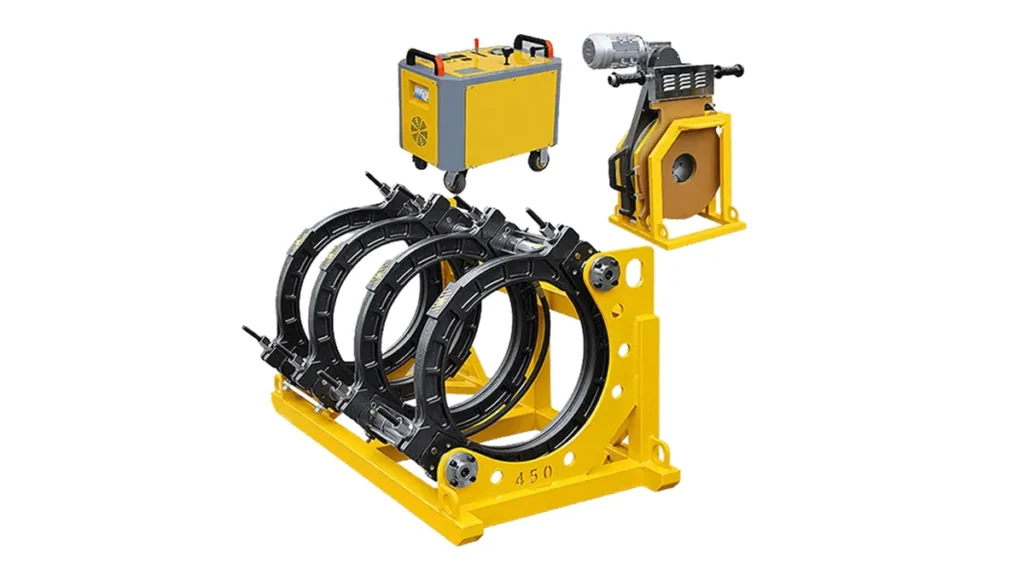
Singapore’s dense urban environment and ambitious infrastructure programs demand precise, durable solutions for HDPE pipeline welding. Contractors, utilities and municipal works teams in Singapore rely on robust pipe fusion machines to ensure leak-free joints for water supply, gas distribution and district cooling systems. Choosing the right equipment improves productivity on tight sites and meets local regulatory expectations such as PUB requirements for pipeline integrity.
Why Reliable Pipe Fusion Machines Matter in Singapore
Space constraints and high labor standards in Singapore mean that fusion machines must be compact, fast and accurate. Consistent weld quality reduces rework in city projects, while machines suited for tropical humidity and salt-air environments extend service life. For municipal and private sectors alike, minimizing downtime and ensuring traceable weld records are top priorities.
Common Types for Singapore Applications
Selection typically falls into three categories:
Manual Butt Fusion
Best for smaller-diameter pipes and tight-access jobs. Manual machines are lightweight and simple to operate, making them ideal for short runs and service connections.
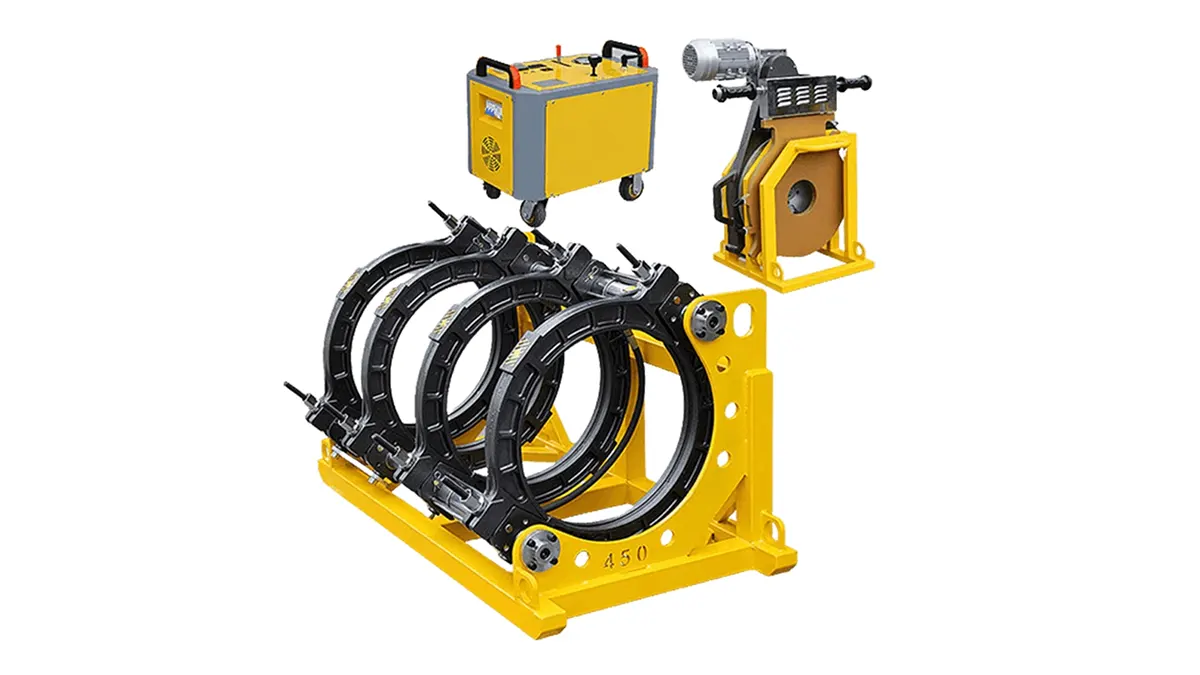
Hydraulic Butt Fusion
Designed for medium to large diameters and repetitive site work. Hydraulics deliver steady force for uniform fusion, crucial for larger municipal lines and industrial pipelines.
Automatic / CNC Butt Fusion
Offers programmable cycles, precise heating and automatic pressure control. These units are preferred by contractors doing long pipeline sections where consistency and recorded welding parameters matter.
Quick Comparison Table
| Model | DN Range | Automation | Best Use |
|---|---|---|---|
| Manual Frame | 20–315 mm | Manual | Service lines, confined sites |
| Hydraulic Unit | 63–1600 mm | Semi-auto | Medium/large municipal works |
| CNC Automatic | 50–1250 mm | Full Auto | Long pipelines, recorded QA/QC |
Key Features to Look For
Portability: Lightweight frames and compact hydraulic stations save space on Singapore construction sites. Corrosion resistance: coatings and stainless elements withstand humid, coastal conditions. Accurate temperature and pressure control: ensures joints meet PUB and industry standards.
Buying Tips for Local Contractors and Engineers
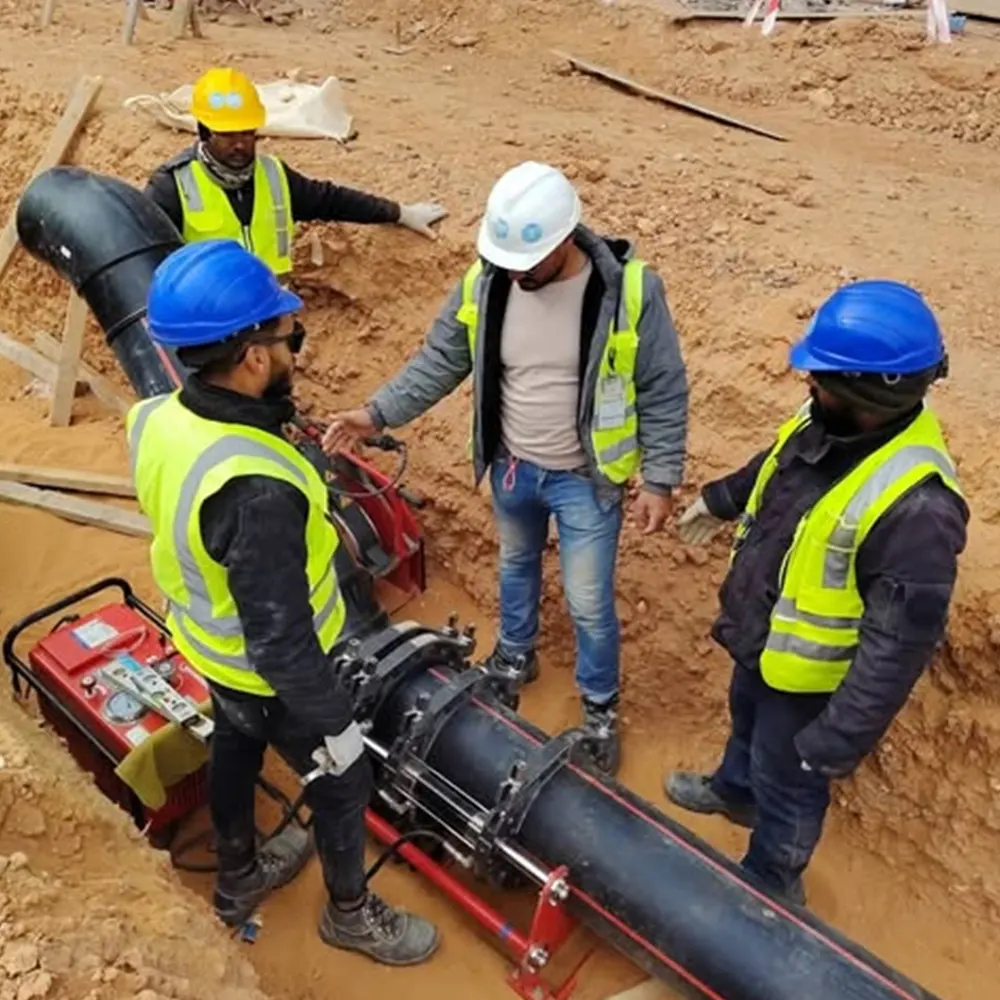
1) Match machine capacity to expected job diameters to avoid overpaying for unnecessary features. 2) Ask about training and on-site commissioning—skillful operation is as important as the machine itself. 3) Verify calibration and welding parameter logging for quality assurance on larger projects.
Maintenance & Site Best Practices
Regular cleaning of heating plates, routine hydraulic checks and protection from heavy rain preserve machine life in Singapore’s weather. Store heating plates in dry cases and use desiccants during prolonged storage. For urban trenching, plan weld sequences to reduce machine moves and traffic disruption.
Compliance, Training and After-Sales Support
Ensure suppliers provide certification, operation manuals and training tailored to local standards. Reliable after-sales service and spare parts availability in the region reduce costly delays. For contractors focused on long-term projects, ask about extended warranties and service agreements.
Partner with a Proven Manufacturer
For reliable HDPE butt fusion solutions backed by manufacturing experience, contact JQ-Fusion: https://jq-fusionwelding.com/



