
Choosing the right electrofusion machine in Thailand requires balancing local conditions, project scale, operator skill, and long-term service support. Whether you are building municipal water pipelines in Bangkok, irrigation networks in the Central Plains, or remote village gas connections in the north, the right controller and tooling will determine weld quality, speed, and project cost.
Why electrofusion is ideal for projects in Thailand
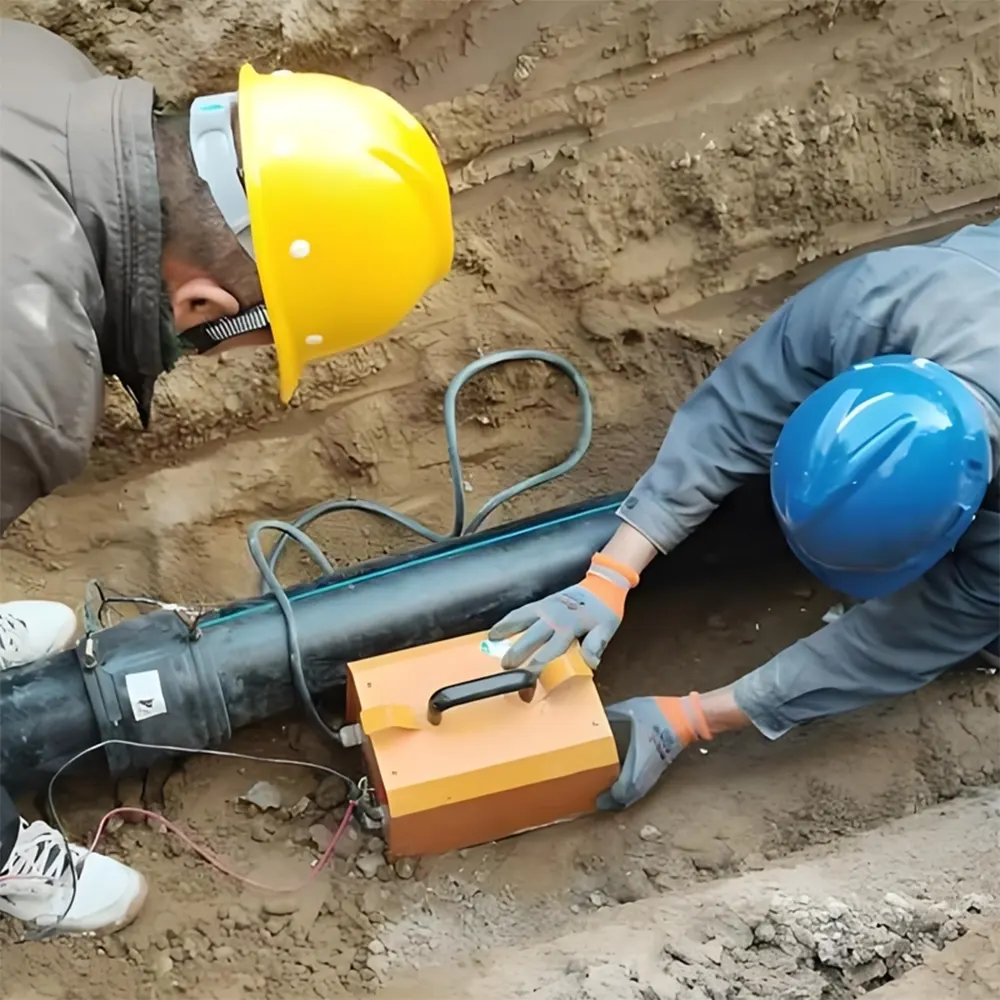
Thailand’s rapidly expanding infrastructure and high seasonal rainfall make leak-free joints and robust installations essential. Electrofusion welding of HDPE pipes provides consistent, reusable field connections that resist corrosion and handle soil movement during the rainy season. For contractors working with the Metropolitan Waterworks Authority (MWA), Provincial Waterworks Authority (PWA), or private irrigation projects, electrofusion offers repeatable results with full traceability when paired with modern controllers.
Common Thailand use-cases
Municipal water distribution, rural potable water upgrades, gas distribution for urban areas, and industrial facilities all favor electrofusion where HDPE is used. In remote provinces, compact portable units are often chosen for ease of transport over rough roads and seasonal flooding.
Types of electrofusion machines and controllers
Selecting the right category depends on pipe diameter, frequency of use, and site conditions. The main options are:
Portable controllers
Small, battery-assisted units for on-site repairs and remote installations. Ideal for rural Thailand projects where mains power may be unreliable.
Bench or workshop controllers
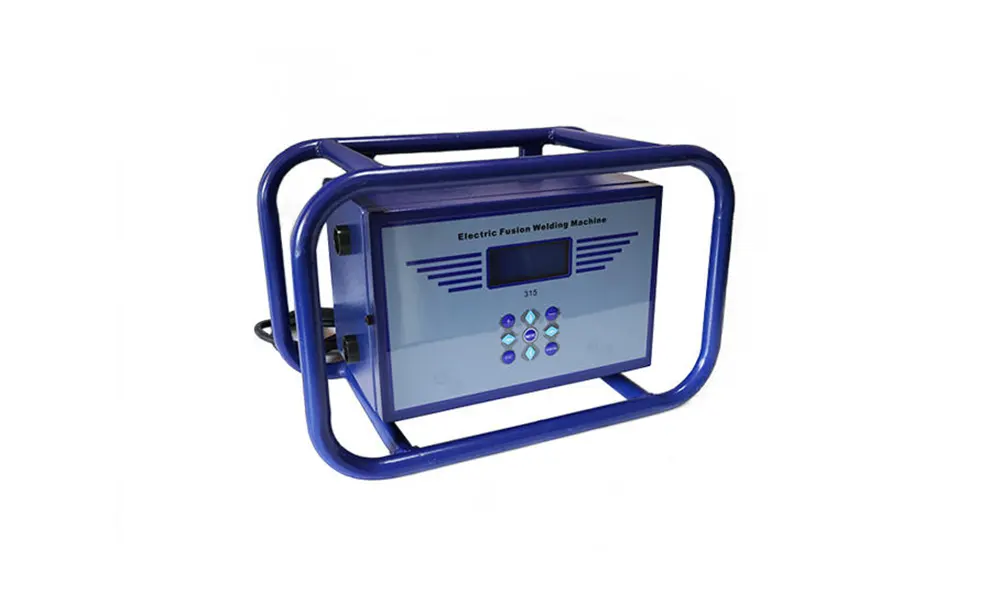
Higher-capacity, stable-power controllers for pre-fabrication yards. Suited to contractors producing many fittings daily in urban centers like Bangkok or industrial estates in the Eastern Economic Corridor.
High-end automatic systems
Full-featured units with data logging, barcode/ID scanning, and programmable weld recipes. Best for large municipal or industrial projects requiring traceable weld reports and tight QA standards.
Key selection criteria for Thailand projects
Consider these practical factors before buying or renting:
1. Pipe material and size compatibility
Verify compatibility with common HDPE grades used locally (PE80 / PE100) and ensure the machine supports the pipe diameter range for your work: from small service connections up to large mains.
2. Power supply and environment
Thailand uses 220V / 50Hz mains in most urban areas. For coastal and high-humidity sites, choose controllers with IP-rated protection and corrosion-resistant connectors. Battery-backed portable units are invaluable for remote provinces.
3. Traceability and data logging
Projects with strict QA (utilities, industrial clients) benefit from units that record weld parameters, store CSV reports, or connect to printers. This reduces rework and speeds approvals from agencies like PWA or private owners.
4. Local service, parts, and training
Timely access to spare electrodes, couplers, and technical support reduces downtime. Prefer suppliers or distributors with Thailand logistics or regional coverage to avoid long lead times during wet season projects.
5. Ease of use and operator training
Look for intuitive menus in English (and local language support if available), clear prompts, and safety features that lower the risk of operator error during high-volume jobs.
Quick procurement checklist
Before placing an order, confirm: welded pipe ranges, required certification, IP rating for field use, power requirements, data export formats, and warranty/lead time for spare parts in Thailand.
Comparison table: Which machine fits your project?
| Type | Typical pipe range | Best for | Portability |
|---|---|---|---|
| Portable controller | 20–160mm | Field repairs, rural connections | High |
| Benchtop/workshop | 20–315mm | Prefabrication yards | Medium |
| Automatic high-capacity | 63–1600mm+ | Large mains & industrial | Low |
Standards, certification and compliance in Thailand
Ensure the chosen equipment and weld procedures comply with international standards commonly requested by Thai authorities and large contractors (ISO 12176 series for electrofusion welding, manufacturer test certificates, and material traceability for PE100). For gas distribution, additional approvals from operators like PTT may be required — confirm local acceptance before procurement.
Maintenance, consumables and lifecycle costs
Evaluate the total cost of ownership: controller reliability, availability of coupling fittings and electrofusion sockets, spare battery and lead times during import. Machines with user-replaceable fuses and easy-to-source clamps lower long-term downtime in Thailand’s supply chain environment.
Final tips to maximize ROI
Invest in training for welders, insist on recorded weld logs for critical sections, and choose controllers that support firmware updates and parts replacement without long factory lead times. For mixed projects across urban and rural sites, a combination of a bench-top unit for prefabrication and a couple of rugged portable controllers for fieldwork often offers the best balance.
For reliable equipment options and global support, consider manufacturers with proven HDPE welding experience such as JQ-Fusion, which supplies a range of manual, hydraulic, and automatic butt fusion and electrofusion solutions suitable for Thailand projects.



