
Finding a reliable automatic pipe welding machine maker in Ecuador can be a game-changer for contractors, municipal water authorities, and oil & gas service providers. This guide explains where to source trustworthy suppliers, what to look for in automatic HDPE butt fusion machines, and practical tips for importing, installation, and local support across Ecuador’s coastal, Andean, and Amazon regions.
Why Choose Automatic Pipe Welding Machines for Ecuador Projects
Automatic butt fusion welding machines deliver consistent joint quality, faster cycle times, and better record-keeping than manual methods—advantages that matter for large irrigation networks, urban water distribution in Quito and Guayaquil, and pipeline works in oil-producing provinces. For teams working in remote Amazon or high-altitude sites, automation reduces skill dependency and improves first-pass success rates.
Benefits at a glance
– Reduced human error and consistent fusion strength.
– Faster welding for long-distance pipelines and trunk mains.
– Digital control and logs for quality assurance and regulatory compliance.
– Easier training for local crews with standardized procedures.
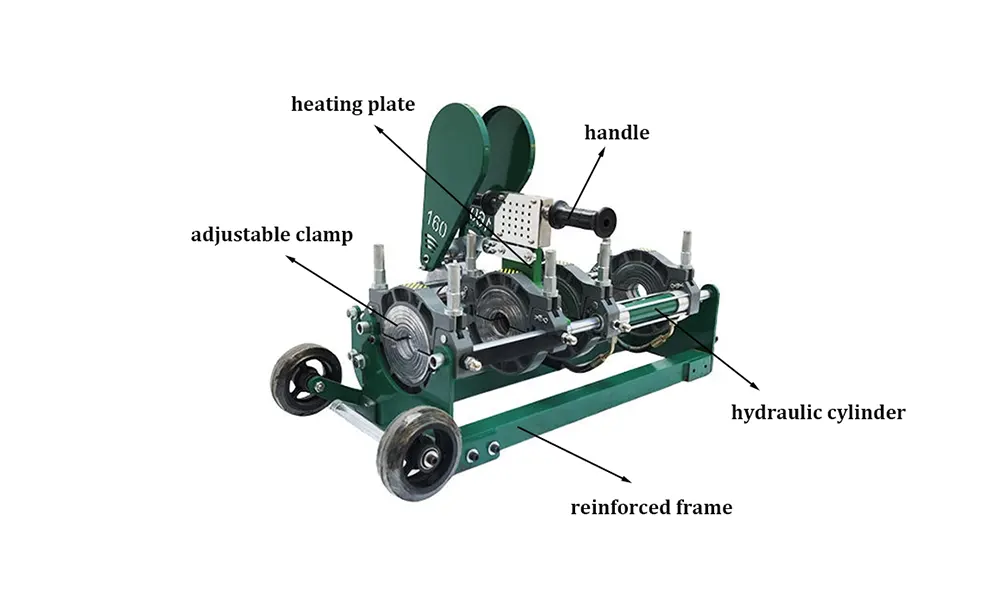
Where to Find Reliable Suppliers and Solutions in Ecuador
Look for suppliers who can provide machines, spare parts, and on-site training. In Ecuador, options include local distributors, authorized regional dealers, direct imports from manufacturers, and specialized industrial equipment marketplaces. Major ports like Guayaquil and Manta handle most heavy equipment imports—choose partners familiar with Ecuadorian customs and logistics.
Local channels to check
– Authorized dealers and equipment rental companies in Guayaquil and Quito.
– Industry trade shows and civil works expos in Ecuador where manufacturers exhibit latest automatic machines.
– International suppliers offering export-ready models with Spanish manuals and remote support.
How to Vet a Supplier: Key Criteria
Choose suppliers that can demonstrate product quality, service capability, and local understanding:
Must-have qualifications
– Clear technical specs and certifications (ISO, relevant EN/ASTM references).
– Availability of spare parts and consumables in the region.
– Training programs in Spanish, plus user manuals and diagnostic support.
– Warranty terms and proven after-sales service for field repairs.
Popular Automatic Models & Typical Uses (Quick Comparison)
The table below shows representative automatic butt fusion models useful for Ecuador projects—pick machines based on pipe diameter range and job profile (utilities, irrigation, gas distribution, mining).
| Model | Pipe Range (mm) | Control Type | Typical Applications |
|---|---|---|---|
| JQA160 / JQA200 (example) | 20 – 200 | Automatic digital | Local networks, service connections |
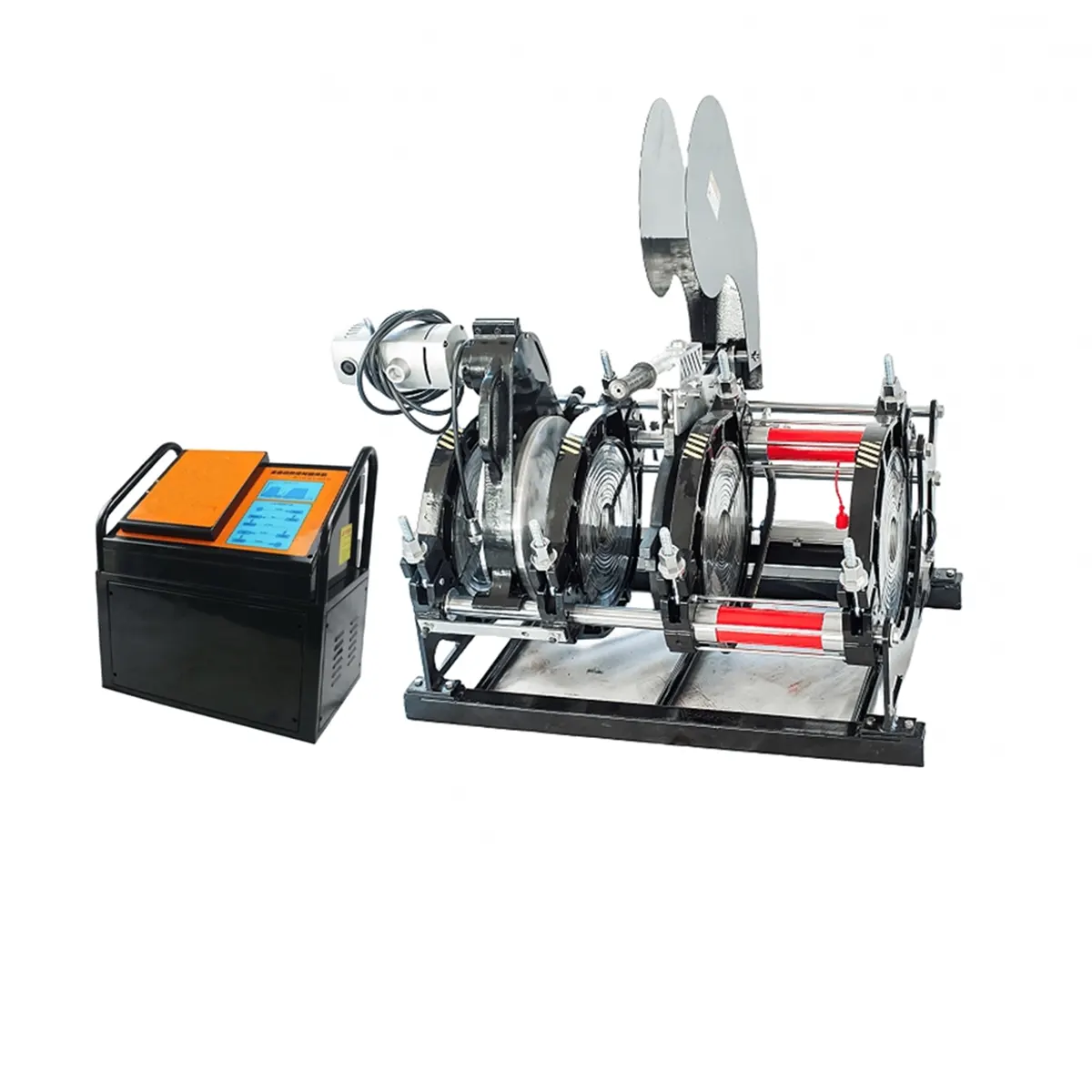
| JQA355 / JQA450 (example) | 250 – 500 | PLC / touchscreen | Irrigation mains, medium trunk pipes |
| Large‑diameter automatic series | 500 – 2500+ | CNC / PLC | Major transmission lines, mining and oilfield pipelines |
Installation, Training and Local Conditions in Ecuador
When planning deployment in Ecuador, consider climate and terrain: coastal humidity, Andean altitude variations, and remote Amazon access. Ensure suppliers provide:
– Spanish-language training and operation guides.
– Calibrations adjusted for altitude and ambient temperature ranges.
– Portable power or generator compatibility for remote sites.
Field tips for Ecuadorian sites
– Protect heating plates and electronics from coastal corrosion.
– Verify welding parameters on first joints under local conditions.
– Keep a local stock of common spare parts to minimize downtime.
Logistics & Import Advice
Work with freight forwarders experienced with Ecuadorian customs. Key considerations:
– Use Incoterms that clarify who handles import duties and inland transport.
– Ship to Guayaquil port for faster access to south and coastal zones; Manta serves central-west projects.
– Factor in lead times for heavy or CNC-controlled units—plan ahead for major infrastructure schedules.
Real-World Use Cases in Ecuador
Automatic welding machines are widely used in:
– Municipal water upgrades in Guayaquil and Quito.
– Irrigation expansions in coastal agricultural provinces like Los Ríos and Manabí.
– Pipeline projects serving oil & gas operations in Oriente regions.
– Mining tailpipe systems and industrial process piping in the highlands.
Manufacturer Contact & Next Steps
For international-grade butt fusion solutions with export support and customizable automation, consider contacting a manufacturer with experience in HDPE pipe welding and global deliveries. One such producer is JQ-Fusion, which provides manual, hydraulic, and CNC automatic machines across a wide pipe size range and offers aftermarket support and customization.
Action checklist for Ecuador buyers
– Define your typical pipe diameters and project cadence.
– Request technical datasheets, warranty terms, and training plans in Spanish.
– Ask for reference projects or local partners who have used the same equipment.
– Plan spare parts inventory and a maintenance contract before the first project.
Start by shortlisting 2–3 suppliers based on certifications, local support, and user training availability, then arrange demos or remote walkthroughs to confirm fit for your Ecuador projects.



