
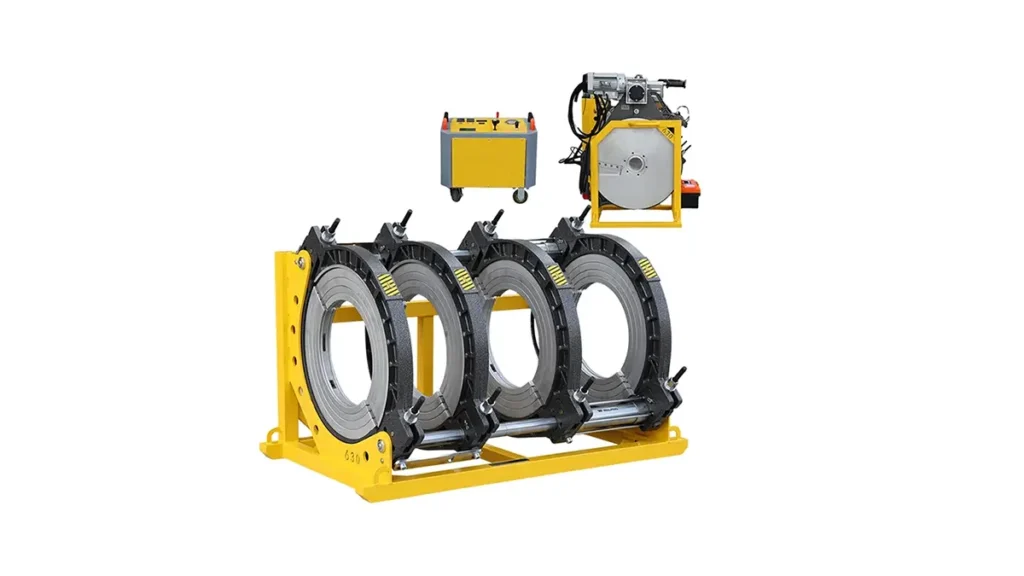
Looking for a reliable poly pipe welder in Spain? From municipal water upgrades to agricultural irrigation networks and renewable energy projects, high-density polyethylene (HDPE) piping is the preferred choice for durability and leak-free performance. This guide explains the best butt fusion welding solutions for plastic pipe installation across Spanish regions, helping contractors, utilities, and installers choose the right equipment and workflow for consistent, certified joints.
Why HDPE Butt Fusion Matters for Spanish Infrastructure
Butt fusion welding creates homogeneous, pressure-rated joints ideal for Spain’s diverse climates — from the humid north to the warm Mediterranean south. HDPE systems resist corrosion, chemical attack, and ground movement, making them perfect for drinking water, gas distribution, stormwater, and irrigation canals. Local projects often require adherence to EU and Spanish standards (e.g., EN 12201), so selecting proven welding equipment helps ensure compliance and long-term performance.
Key Considerations for Contractors and Installers in Spain
When evaluating poly pipe welders, Spanish contractors should weigh:
-
Pipe diameter range — ensure the machine supports the common HDPE sizes used locally (commonly 20mm up to several meters for large-diameter mains).
-
Automation level — manual, hydraulic, or CNC automatic butt fusion machines improve consistency and speed for larger projects and municipal works.
-
Portability and on-site setup for trench/backfill conditions in urban and rural Spanish job sites.
-
Compliance and traceability features for documentation required by utilities and public tenders.
Common Applications Across Spanish Regions
Spain’s infrastructure needs vary by region. Typical uses of HDPE welding solutions include:
-
Urban water distribution and network rehabilitation in cities like Madrid and Barcelona.
-
Irrigation systems in agricultural areas such as Andalusia and Murcia, where durable, UV-resistant pipelines are essential.
-
Gas distribution projects requiring pressure-rated fused joints and strict safety records.
-
Renewable energy and industrial pipelines where chemical resistance and long service life are critical.
Top Machine Types and When to Use Them
Choosing the right machine optimizes productivity and weld quality:
-
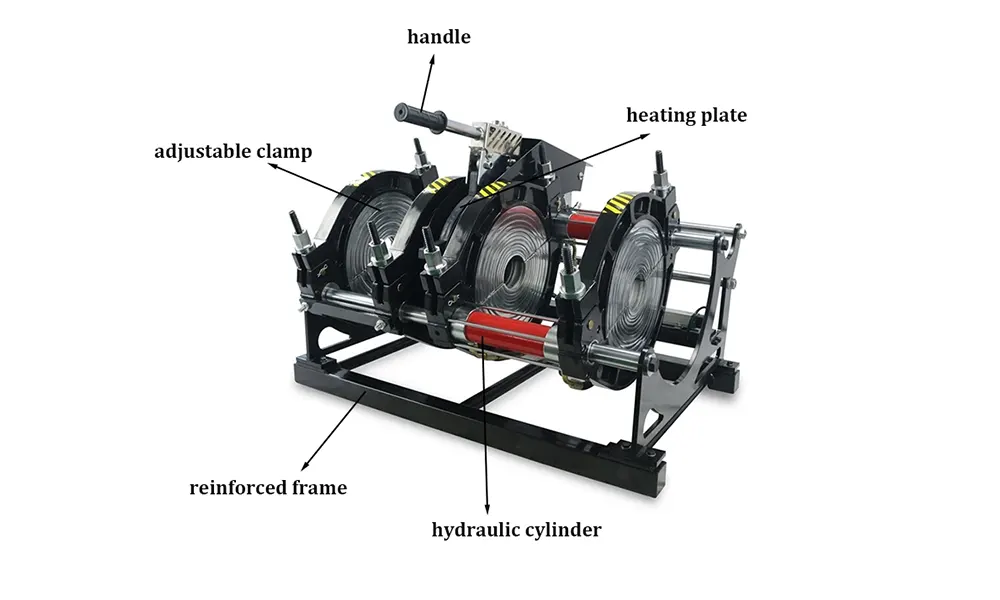
Manual butt fusion — cost-effective for small-diameter pipes and low-volume repairs.
-
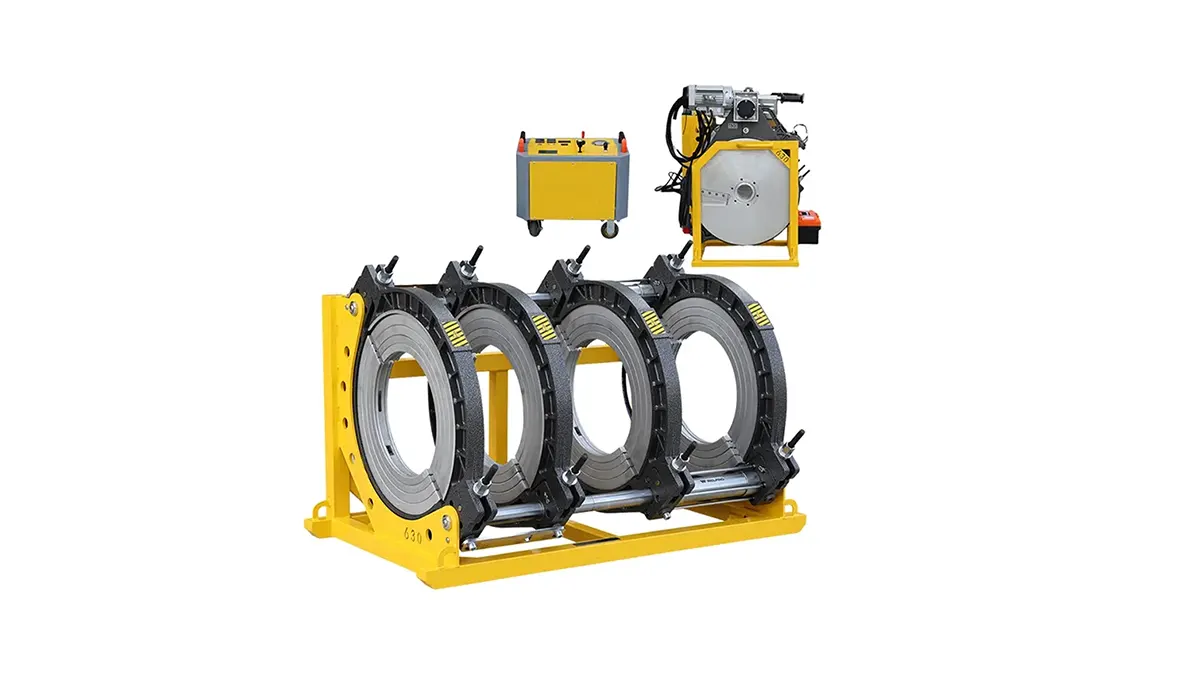
Hydraulic butt fusion — ideal for medium to large diameters and rugged field conditions.
-
Automatic/CNC machines — best for large-scale, high-precision projects where repeatability and data logging matter.
Model Comparison Snapshot
| Machine | Diameter Range | Best For |
|---|---|---|
| Hydraulic JQH Series | 160mm – 1600mm+ | Large-diameter mains & industrial pipelines |
| Automatic JQA Series | 20mm – 630mm | High-volume municipal and utility projects |
| Manual & Portable Frames | 20mm – 400mm | Repairs, irrigation and small installations |
Installation Tips for Spanish Weather and Soil Conditions
To maximize joint reliability in Spain’s varied environments:
-
Preheat plates and trimmers should be clean and calibrated before welding in dusty or coastal sites.
-
Allow for thermal expansion in long runs exposed to strong Mediterranean sun using adequate expansion loops or fittings.
-
Document welds and maintain traceability for public tenders and quality audits.
Buying and Support: What Spanish Buyers Should Expect
Reliable suppliers provide Spanish-language manuals, local spare parts logistics, and training for site teams. Look for machines with robust service networks and clear warranty terms. For manufacturers that specialize in a wide range of HDPE welding equipment, you can find models suited to both small contractors and large infrastructure contractors — including support for installation, maintenance, and calibration.
About the Manufacturer
JQ-Fusion (https://jq-fusionwelding.com/) offers a broad lineup of HDPE butt fusion welding machines, from manual frames to CNC automatic systems, designed to meet demanding pipeline projects worldwide.
Next Steps for Project Leads in Spain
Assess your pipe sizes, expected daily weld output, and documentation needs. Request on-site demonstrations or detailed specs from manufacturers, and verify compliance with EN standards for drinking water and gas. Proper machine selection and operator training will safeguard your network and minimize lifecycle costs.



