
The butt fusion welding process for HDPE pipes creates strong, leak-free joints when performed correctly. This step-by-step guide covers preparation, equipment settings, welding sequence, inspection, and common troubleshooting tips to help contractors, technicians, and pipeline installers achieve reliable results on water, gas, and industrial infrastructure projects.
Why Butt Fusion for HDPE Pipes?
Butt fusion produces homogeneous joints by heating pipe ends and pressing them together until molecular diffusion occurs. The resulting joint is as strong as the parent material, resistant to corrosion and chemical attack, and ideal for long-term buried or pressurized systems. Compared with mechanical fittings or electrofusion, butt fusion is often faster and more suitable for large-diameter lines.
Essential Equipment & Pre-Weld Checklist
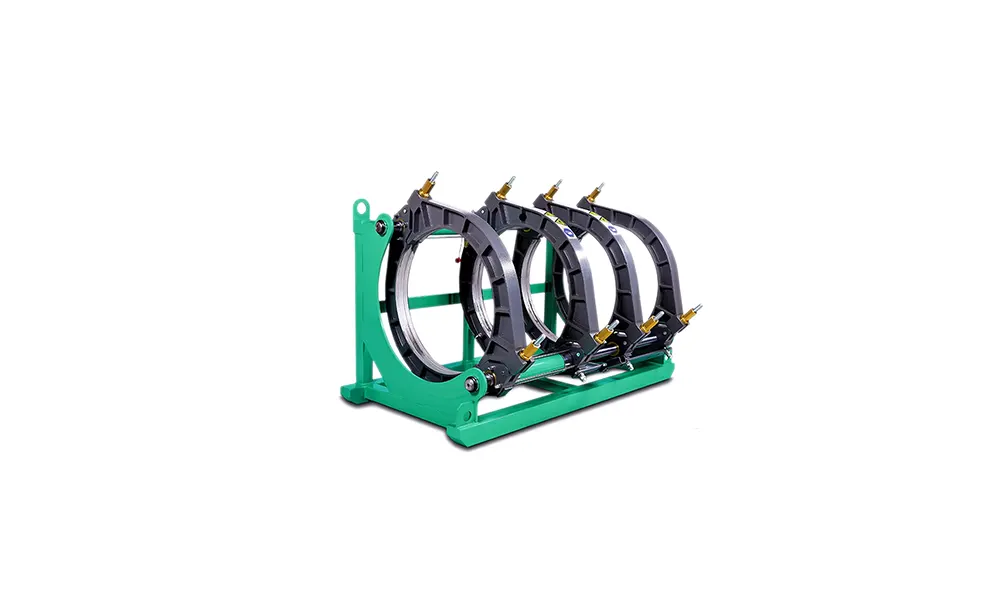
Before you start, ensure you have a properly sized butt fusion welding machine, heater plate, facing tool (trimmer), clamps, alignment tools, and a calibrated temperature controller. Confirm the heater plate surface is clean and undamaged and that the facing tool produces smooth, square pipe ends. Verify ambient conditions are within manufacturer recommendations.
| Item | Why It Matters |
|---|---|
| Heater Plate | Provides controlled, uniform heating; damaged plates cause poor fusion |
| Facing Tool | Removes oxides and ensures flat, square mating surfaces |
| Clamps & Alignment | Prevent axial or angular misalignment during fusion |
| Calibration | Ensures temperatures and pressures meet specified parameters |
Step-by-Step Butt Fusion Welding Process
1. Site Preparation
Clear the work area of debris, level pipe supports, and ensure pipes are dry and free of contaminants. Secure both pipe ends in the machine clamps and confirm axial alignment. Clean the pipe OD and ID near the joint to remove dirt, grease, and moisture.
2. Facing (Trimming)
Use the facing tool to trim a uniform layer from each pipe end until smooth and square. Proper facing removes oxidation and ensures full contact during fusion. Check for burrs and repeat if necessary.
3. Heating
Bring the heater plate to the specified temperature (commonly around 200–230°C for PE materials) and press it between the aligned pipe ends under a controlled approach pressure. Monitor the melt bead visually — consistent bead formation along the circumference indicates even heating.
4. Changeover and Forge
Remove the heater plate carefully once the prescribed heating time is reached and immediately bring the pipe ends together under controlled axial force (forge pressure). Maintain steady pressure during cooling to prevent movement. Allow the joint to cool to the required temperature before removing clamps.
5. Post-Weld Inspection
Inspect the joint externally for uniform melt bead and absence of gaps or cold sections. Perform non-destructive tests per project specification (visual, vacuum box, or hydrostatic where applicable). Record fusion parameters and weld ID for traceability.
Typical Fusion Parameter Examples (Reference Only)
Parameters vary by pipe material (PE80/PE100), SDR, wall thickness, and machine type. Always follow pipe and machine manufacturer’s recommendations and relevant standards.
| Pipe OD / Wall | Heater Temp (°C) | Heating Time (approx.) | Forge Pressure |
|---|---|---|---|
| 63 mm / SDR11 | 200 – 220 | 20 – 30 s | 0.2 – 0.4 MPa |
| 160 mm / SDR11 | 200 – 220 | 60 – 90 s | 0.3 – 0.6 MPa |
| 630 mm / large diameter | 200 – 230 | 300 – 600 s | 0.4 – 1.0 MPa |
Common Defects & Troubleshooting
Cold or Incomplete Fusion
Cause: insufficient heating time or low heater temperature. Remedy: verify heater plate temperature, check facing quality, and repeat fusion with corrected parameters.
Excessive Flash or Collapse
Cause: overheating or excessive approach/forge pressure. Remedy: reduce heating time/temperature and adjust pressure to manufacturer’s settings; ensure facing removed correct amount.
Angular Misalignment
Cause: poor clamping or pipe support. Remedy: reclamp with better alignment aids and use spacer/supports to maintain straightness during cool down.
Quality Control & Documentation
Maintain a weld log for each joint including pipe IDs, material type, machine ID, heater serial, fusion temperatures, pressures, times, operator name, and visual inspection outcome. This traceability supports warranty, safety, and regulatory compliance.
Safety Tips for On-Site Welding
-
Wear heat-resistant gloves and face protection when handling the heater plate.
-
Ensure adequate ventilation if welding in enclosed spaces.
-
Lock out hydraulic or electrical power during maintenance operations.
Maintenance and Calibration
Regularly inspect heater plate flatness, replace worn facing knives, and calibrate temperature sensors and pressure gauges. A well-maintained machine reduces downtime and improves weld consistency.
Ready to Improve Your Fusion Results?
For reliable butt fusion machinery and technical support, consider equipment options tailored to your pipe diameters and project conditions. JQ-Fusion offers a range of manual, hydraulic, and automatic butt fusion welding machines designed for robust field performance and global infrastructure needs: JQ-Fusion.



