
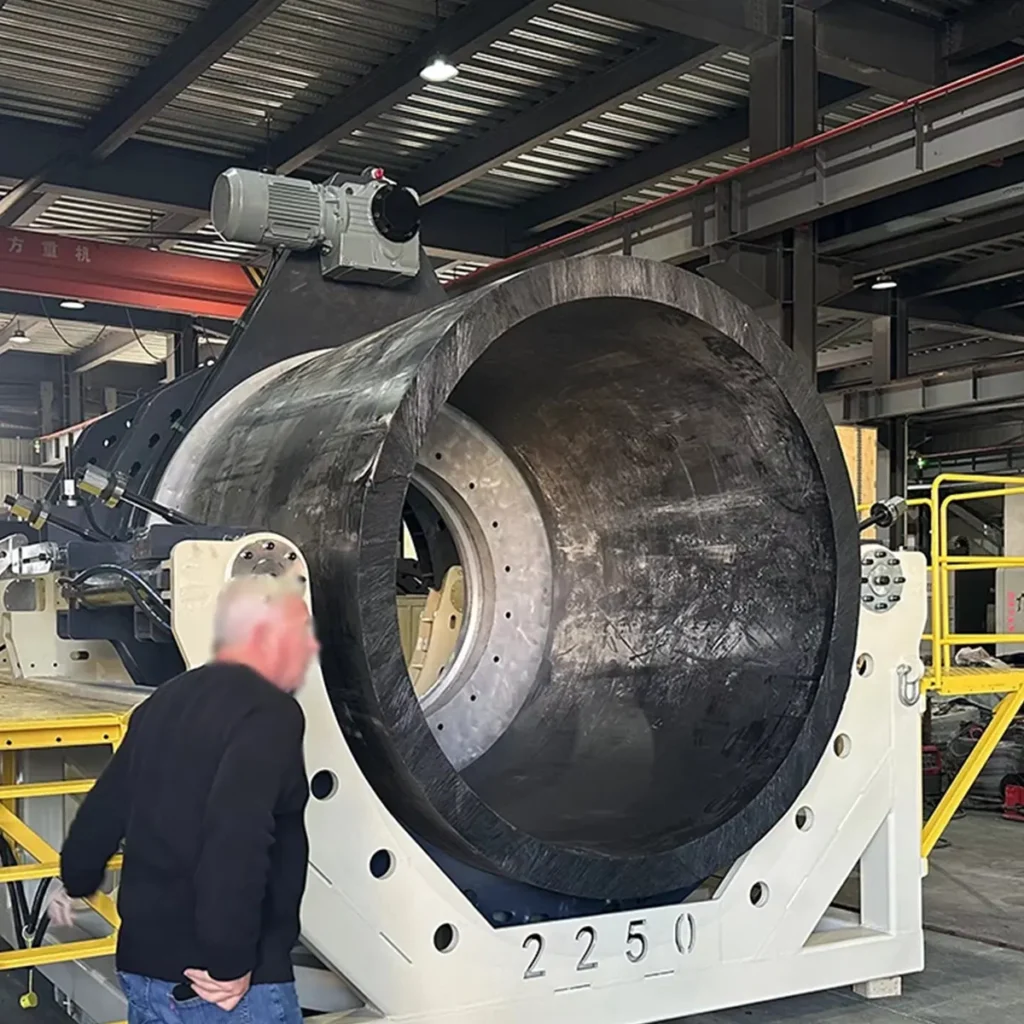
As Iceland invests in resilient infrastructure across remote fjords, geothermal districts, and urban centers, reliable HDPE pipe joining is essential. For contractors and utilities seeking proven butt fusion welding machines and complete support in cold, coastal, and volcanic environments, JQ-Fusion offers professional solutions engineered for durability and precision.
Why Butt Fusion Welding Fits Icelandic Projects
Butt fusion welding provides leak-free, corrosion-resistant joints ideal for Iceland’s water supply, geothermal heating networks, and aquaculture piping. The fusion process creates a homogeneous joint with mechanical strength comparable to the pipe itself, which reduces maintenance and long-term failure risk in harsh weather and saline conditions.
Key Advantages for Icelandic Operators
• Cold-climate performance: Machines designed to weld reliably in low temperatures and variable field conditions.
• Portable options: Manual and compact hydraulic units for remote fjord access and island-to-island jobs.
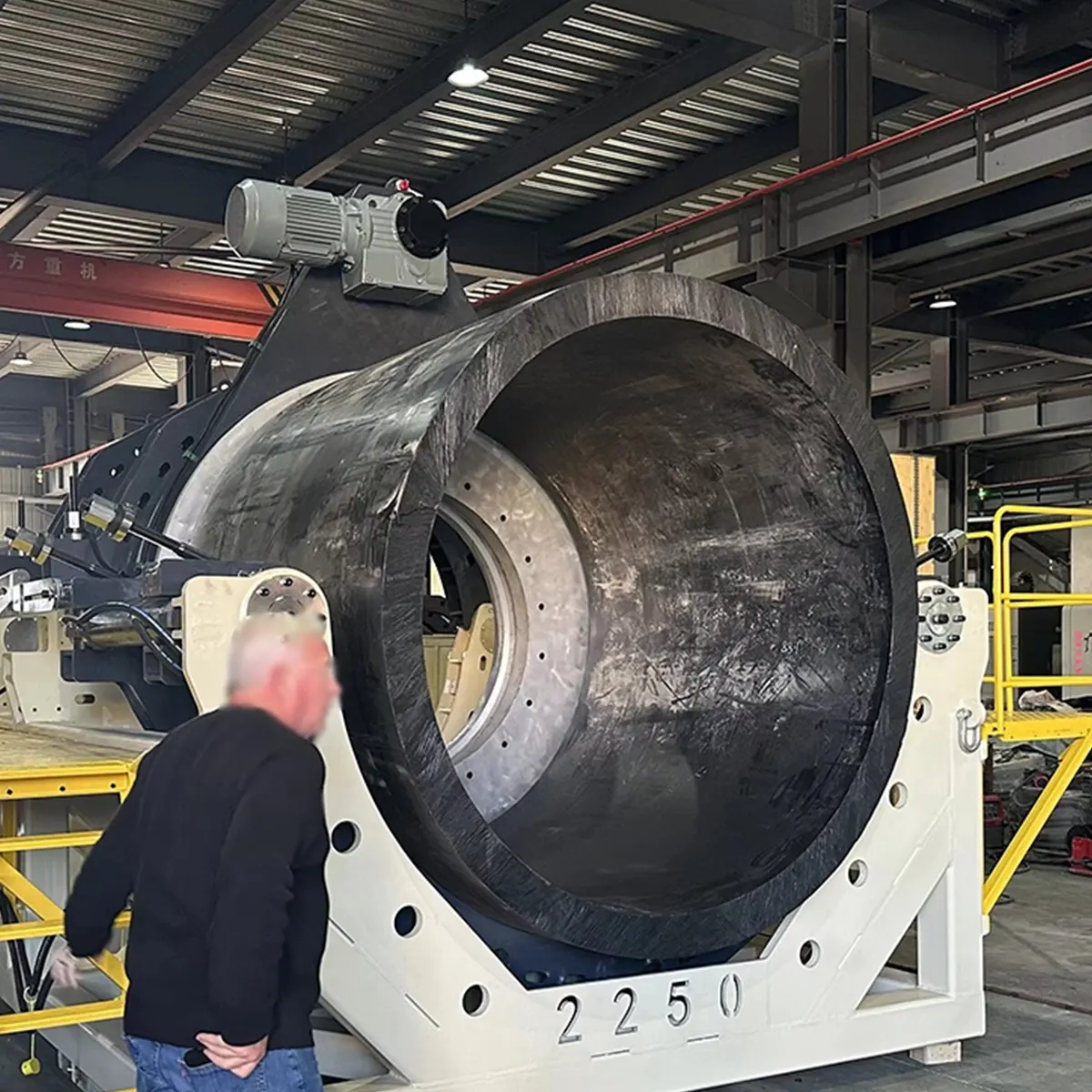
• Large-diameter capability: Hydraulic and automatic machines for major district heating and industrial pipelines.
• Low maintenance: Fewer mechanical joints and corrosion-prone fittings—important for coastal and geothermal corrosion factors.
Common Icelandic Applications
• Geothermal district heating pipe networks carrying hot water between plants and towns.
• Municipal water and sewage distribution in scattered settlements and growing urban areas.
• Aquaculture and fish processing lines where hygienic, leak-free piping is critical.
• Industrial and mining process pipelines requiring durable HDPE solutions in remote sites.
Selecting the Right Machine: Practical Criteria
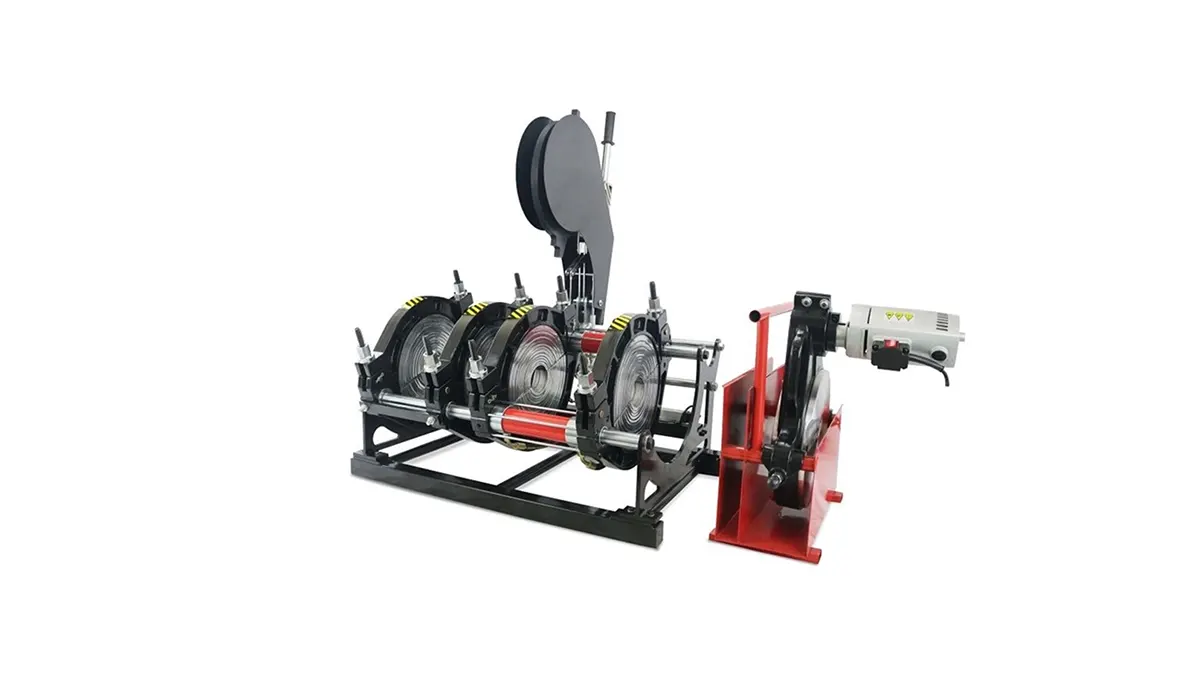
• Pipe diameter range — choose manual machines for small-diameter repairs and automatic/hydraulic units for continuous production on larger pipes.
• Portability vs. throughput — balance transport logistics for remote Icelandic sites with required weld speed and repeatability.
• Power source — electric or hydraulic systems must match on-site power availability; consider portable generators for isolated worksites.
• Automation level — CNC automatic machines deliver consistent weld quality for long pipeline stretches and urban heating grids.
Quick Comparison: Typical Models and Best Uses
| Model | Pipe Range | Type | Best for |
|---|---|---|---|
| Manual Compact | 16–160 mm | Manual | Repairs, fjord-side jobs |
| Hydraulic Field Unit | 160–1000 mm | Hydraulic | District heating, municipal pipelines |
| CNC Automatic Series | 63–1250+ mm | Automatic | Large projects, long runs |
Installation Best Practices for Iceland Conditions
• Schedule welding during stable weather windows when possible to control temperature swings.
• Pre-heat or insulate joints in extreme cold to maintain fusion parameters and avoid brittle welds.
• Use certified welding procedures and trained technicians to ensure compliance with local standards and long-term pipeline reliability.
Service, Parts, and Training Considerations
• Ensure access to spare heating plates, clamps, and controllers — quick replacement minimizes downtime in remote areas.
• Operator training in butt fusion technique and safety is essential—consistent weld quality reduces leaks and rework.
Final Notes for Icelandic Developers and Contractors
For projects across Reykjavík, Akureyri, Westfjords, or isolated coastal settlements, selecting robust butt fusion equipment and field-ready support improves lifecycle performance of HDPE pipelines. Machines suited to cold, coastal, and rugged terrain provide predictable weld quality and lower total cost of ownership compared with traditional fittings.



