
Choosing the best plastic pipe welder maker in Austria means balancing technical performance, local regulations, and on-the-ground service. Whether you’re a contractor working on municipal water networks in Vienna, a gas installer in Tyrol, or a utilities planner in Graz, this guide will help you evaluate manufacturers and select equipment that fits Austria’s climate, standards, and project expectations.
Understand the Austrian context
Austrian projects prioritize safety, precision, and long-term reliability. Expect strict procurement processes, close attention to certifications (ÖNORM, ÖVGW and EU/CE requirements), and an emphasis on traceability and documentation for welding records. Cold winters in mountainous regions also demand equipment and welding procedures that perform consistently at lower temperatures. Local teams typically prefer machines that are easy to calibrate, maintain, and that come with clear German-language manuals and training.
Which machine types matter most?
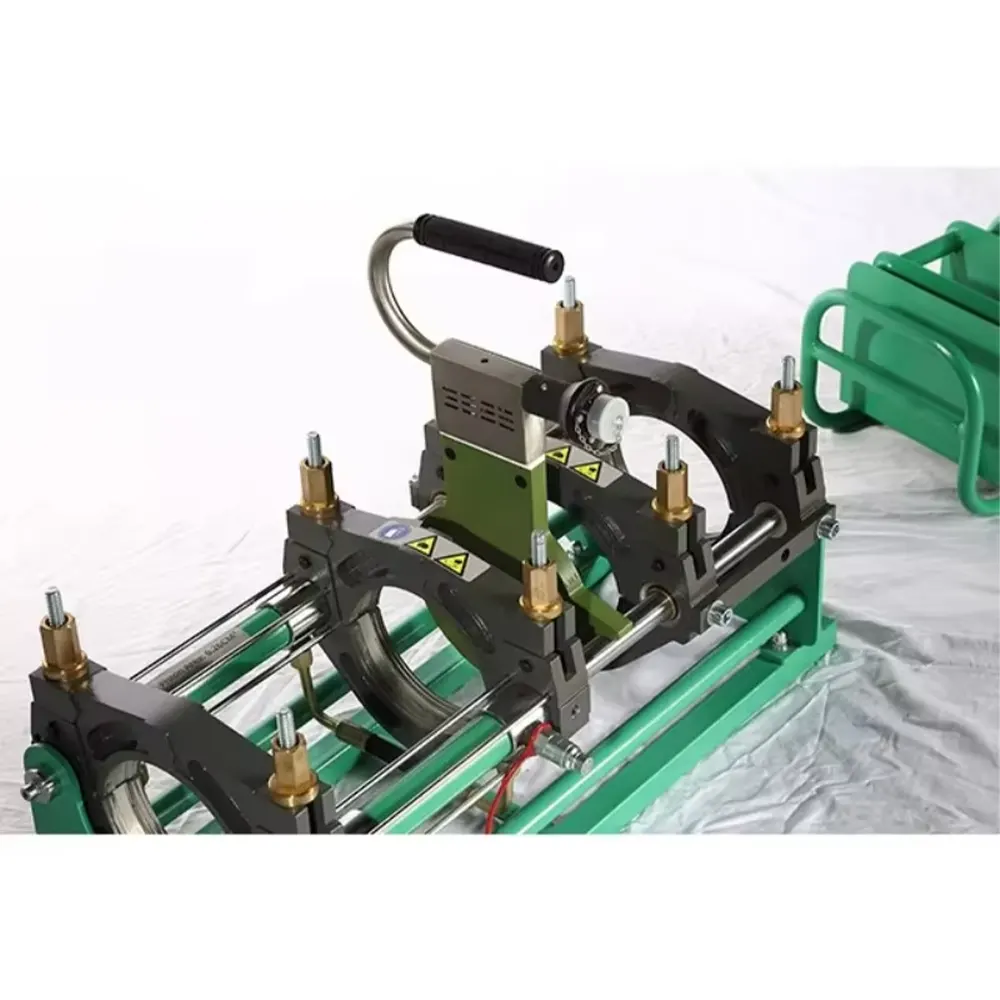
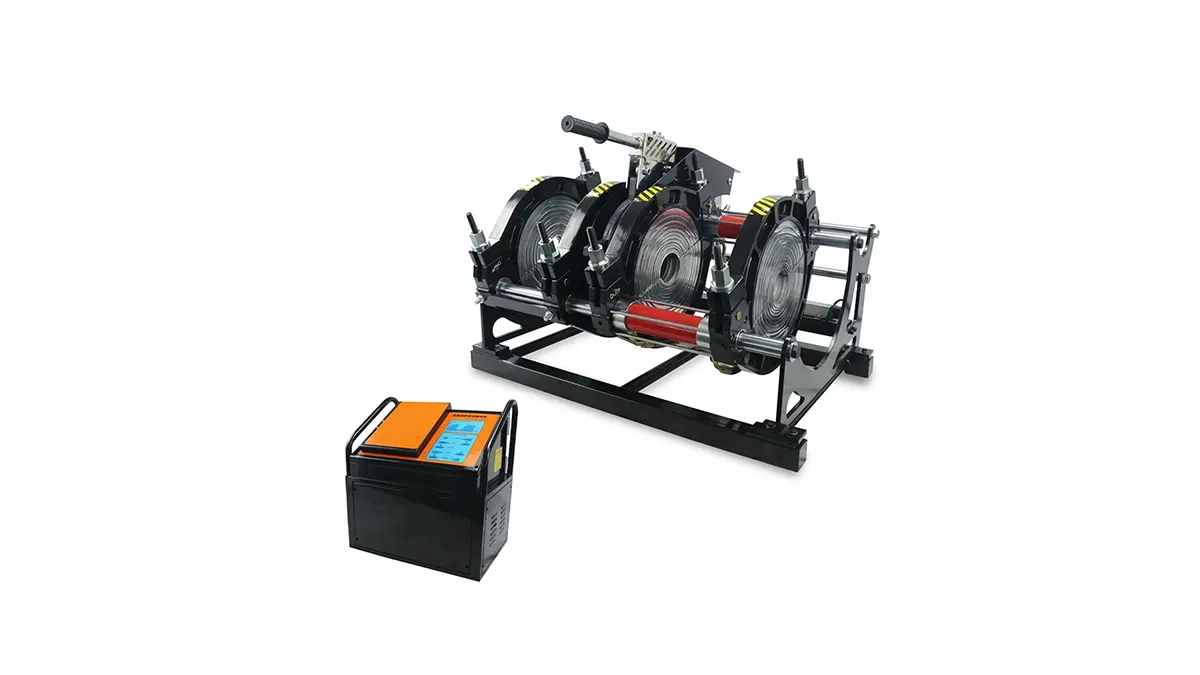
Decide based on pipe diameter, site conditions, and production pace. Manual units are cost-effective for small-diameter maintenance work. Hydraulic machines offer the robustness needed for medium and large diameters on construction sites. CNC automatic and fully automatic butt fusion machines provide high repeatability for industrial contracts and large infrastructure projects. Electrofusion units are essential when fittings or repairs require localized joints.
Key selection criteria for Austrian buyers
Performance and precision: Look for machines with accurate alignment, repeatable heating cycles, and reliable pressure control to meet ÖNORM/ÖVGW documentation standards.
Certification and compliance: Ensure CE marking and ask about compliance with Austrian industry guidance. Machines that produce weld logs and allow exportable reports make acceptance by municipal clients easier.
Local service & spare parts: Rapid support in German and timely spare parts delivery within the EU shorten downtime — a major advantage for Austrian contractors operating in remote alpine areas.
Training and warranty: On-site training, clear user manuals in German, and a robust warranty help teams adopt new equipment quickly and protect investment.
Operational concerns specific to Austria
Consider logistic access to mountainous job sites, winterized transport options, and portability. Austrian projects often demand full welding traceability for long-term infrastructure, so machines that log weld data and integrate with asset-management systems are preferred. Also prioritize manufacturers that provide clear calibration procedures aligned with Austrian regulatory inspections.
Quick comparison table: What to evaluate
| Factor | Why it matters | What to look for |
|---|---|---|
| Machine type | Determines suitability by pipe size and production needs | Manual (small jobs), Hydraulic (site work), CNC Automatic (large projects) |
| Certification | Required for municipal and regulated installations | CE marking, compatibility with ÖNORM/ÖVGW, weld log capability |
| Service & parts | Minimizes downtime on critical projects | EU spare parts stock, local distributors, German-language support |
| Training & documentation | Ensures correct operation and audit-ready records | On-site training, clear manuals, digital weld reports |
| Durability & warranty | Protects investment across Austria’s varied climates | Robust construction, corrosion-resistant parts, transparent warranty terms |
Questions to ask any plastic pipe welder maker
Does the machine produce exportable weld logs? Is there German-language training and documentation? Where are spare parts stocked and how fast is dispatch within Austria/EU? Can the manufacturer demonstrate performance in cold-weather conditions? How flexible are options for custom fixtures for multi-angle fittings or large-diameter pipes?
Why supplier relationships matter
Long-term projects and maintenance programs common in Austria reward manufacturers that provide predictable lead times, calibration services, and scheduled training. A partner who understands municipal procurement cycles and can support tender documentation will help you win contracts and reduce implementation risk.
A practical shortlist for Austrian buyers
1) Prioritize machines that combine reliable hydraulics with digital process control for traceable welds.
2) Confirm CE and local-recognized certifications and request sample weld reports.
3) Validate service coverage in the EU and ask about German-language after-sales support.
4) Choose modular solutions when working across water, gas, and industrial projects to keep costs down while covering multiple applications.
Manufacturer note
JQ-Fusion is a professional manufacturer specializing in HDPE pipe welding machines, offering manual, hydraulic, and CNC automatic butt fusion solutions suitable for a wide range of projects and pipe sizes.
Final practical tips
Request on-site demonstrations or trial rentals when possible, collect references from Austrian or nearby EU projects, and include spare-part lead times in total cost assessments. Investing in the right machine and a supportive manufacturer relationship will improve project quality, reduce rework, and ensure regulatory compliance across Austria’s diverse infrastructure needs.



