
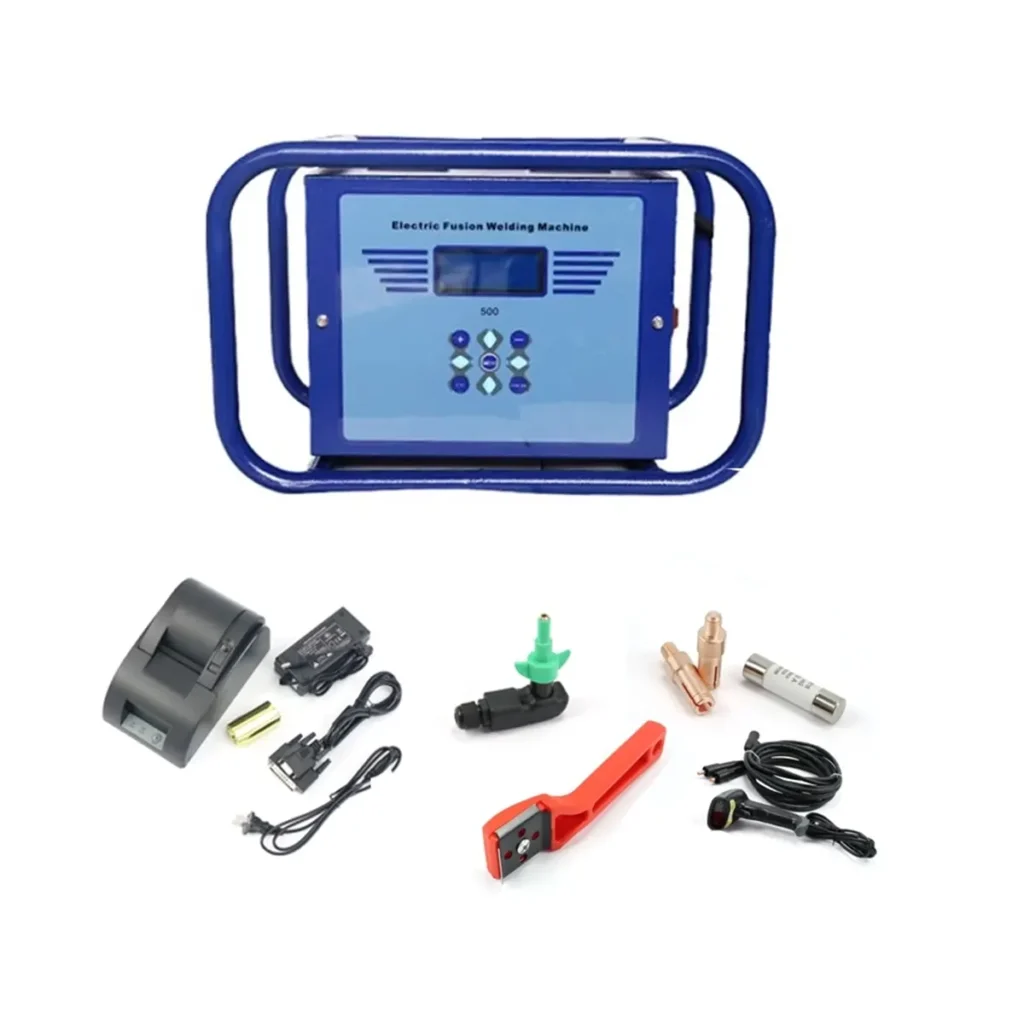
Electrofusion machine factory options for Mozambique are essential for contractors, municipal water authorities, and mining companies building reliable HDPE pipelines. This guide explains what to look for in suppliers, the types of electofusion and butt fusion equipment suited to local projects, and practical on-the-ground solutions for installation, training, and long-term service. For manufacturer information, consider JQ-Fusion as a supplier offering a wide range of HDPE welding machines.
Why Electrofusion Matters for Mozambique’s Infrastructure
Electrofusion welding is ideal for Mozambique where expanding water distribution, rural irrigation networks, and energy pipelines require corrosion-resistant, flexible joints. Urban centers like Maputo and Beira, plus remote rural districts, need portable, reliable machines for on-site joining. In the gas and mining sectors along the coast and inland, stable joints reduce leak risks and maintenance costs over time.
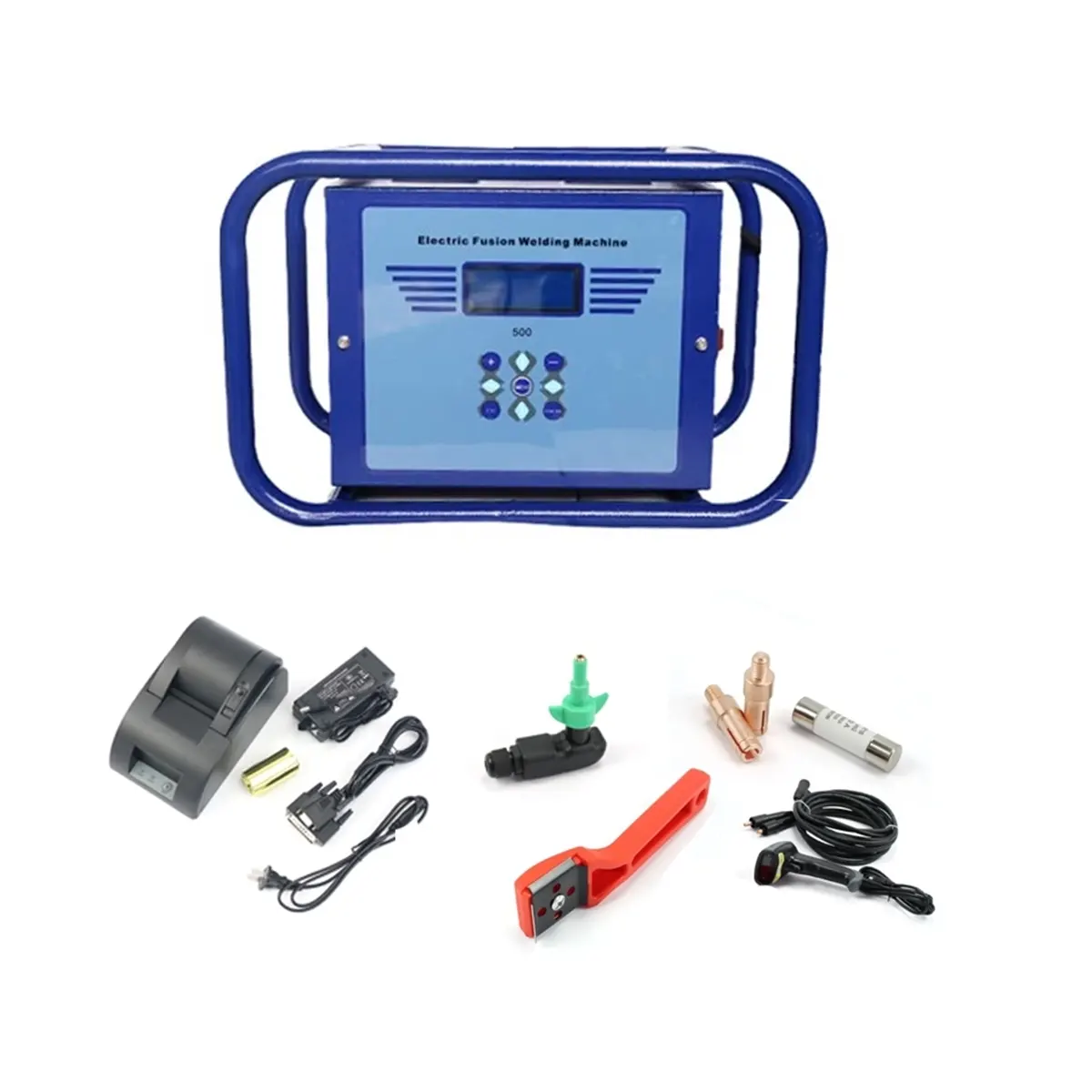
Choosing Reliable Suppliers in Mozambique
Selecting the right supplier involves assessing machine durability, local support capability, spare parts availability, and export/logistics experience. Look for suppliers who provide:
– Clear technical specs and welding records;
– Training in Portuguese or local languages;
– Pre-shipment testing and documentation for customs;
Key Equipment Types & Local Applications
The most useful welding equipment for Mozambique projects spans portable electrofusion units to hydraulic butt fusion machines for larger mains. Below is a quick comparison of typical models and uses.
| Model / Type | Best For | Pipe Range | Local Advantages |
|---|---|---|---|
| Portable Electrofusion Units | Rural repairs, service vans | 20–630 mm | Lightweight, easy operator training |
| Manual Butt Fusion Machines | Small-diameter mains | 20–315 mm | Cost-effective, low maintenance |
| Hydraulic Butt Fusion Stations | Large distribution mains | 315–2000+ mm | High precision, suitable for industrial/mining |
| CNC / Automatic Fusion Machines | High-volume pipeline production | Varied (factory use) | Consistent quality, weld logging for compliance |
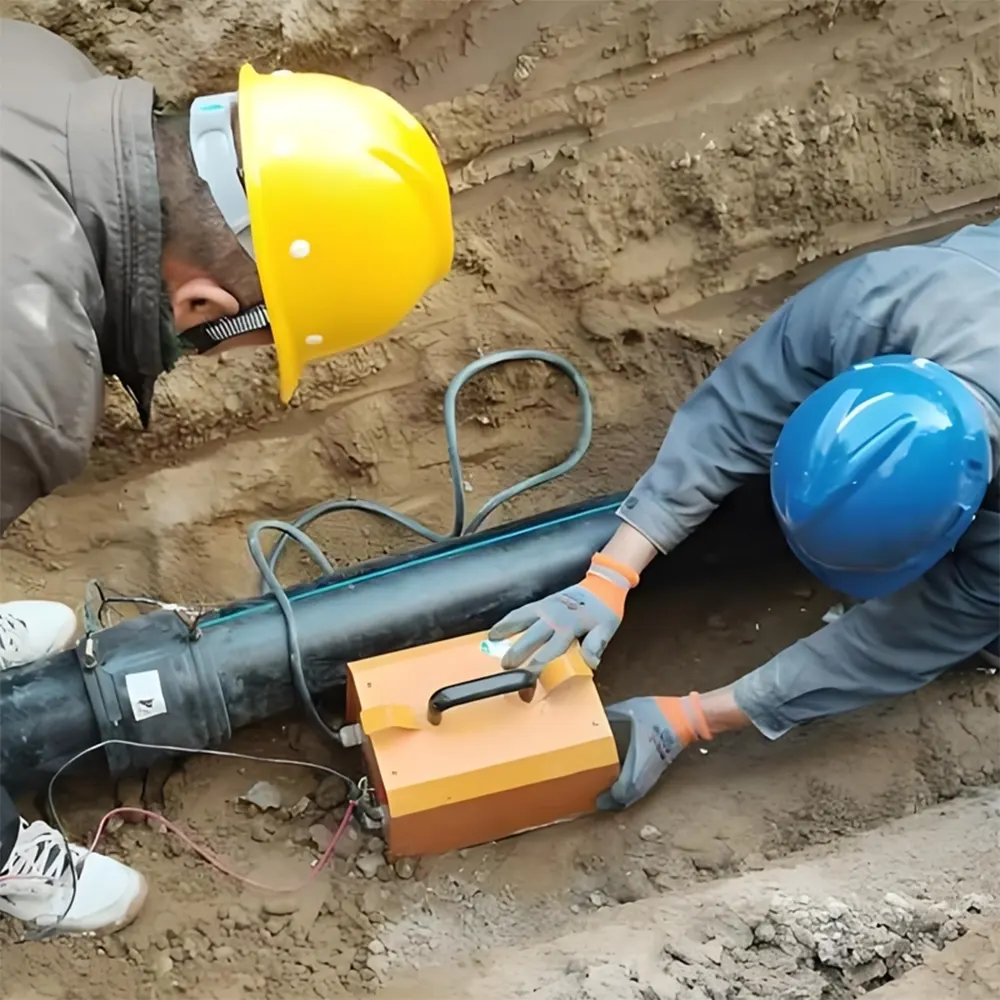
Local Solutions: Training, Support & Spare Parts
For Mozambique, prioritize suppliers offering on-site or remote training in Portuguese and technical manuals that local technicians can follow. Establishing a spare-parts kit for common wear items (heating plates, clamps, fuses) reduces downtime. Consider suppliers who handle export documentation, packaging optimized for maritime freight, and offer pre-shipment inspection reports for smooth customs clearance.
Installation & Quality Control Practices for Mozambique Projects
Adopt practical measures to ensure long-term pipeline integrity in coastal and inland environments:
– Use traceable weld logs and serial numbers for each electrofusion joint;
– Calibrate equipment regularly and validate heating cycles;
– Protect joints from UV and extreme heat during storage and installation;
– Perform destructive and non-destructive testing on sample joints for critical water and gas lines.
Compliance, Standards & Procurement Tips
Ensure equipment and fittings meet international standards (ISO, EN, or equivalent) and that piping materials such as PE100 are specified for high-pressure or gas distribution. When procuring, request datasheets, welding procedure specifications (WPS), and sample weld reports. For public tenders in Mozambique, having full documentation and local-language training often improves procurement success.
Why Partner with a Manufacturer Experienced in Global Projects
Choose suppliers that combine robust manufacturing, responsive after-sales support, and the ability to customize machines for regional needs. A reliable partner will help you optimize machine selection for coastal humidity, temperature variations, and logistics to Mozambique ports. Contact details and full product ranges are typically available on manufacturer sites.
Ready to equip your Mozambique project? For reliable electofusion and butt fusion machines, explore manufacturer offerings and request localized training and spare-part plans to secure smooth installation and long-term pipeline performance.



