
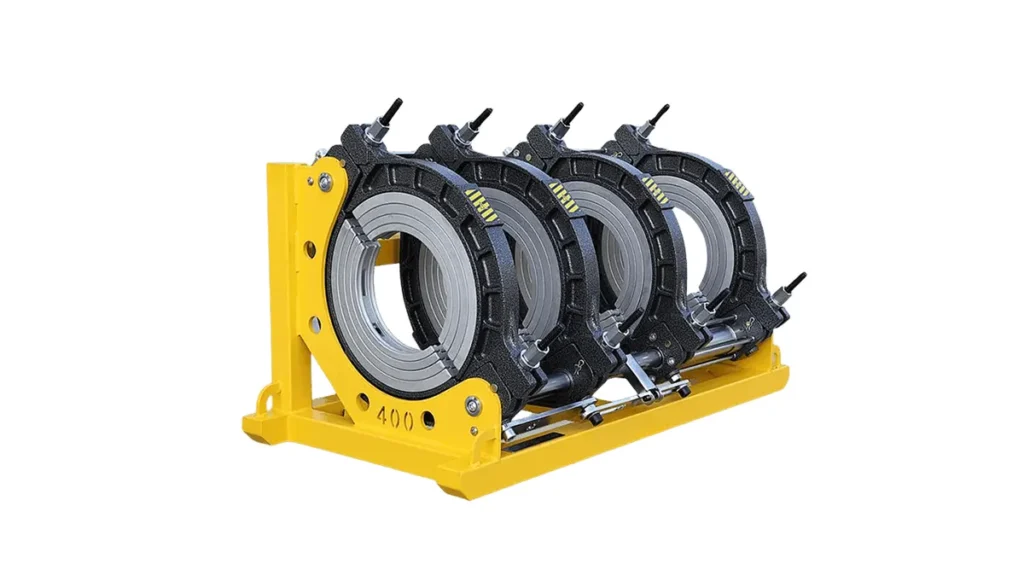
Angola’s infrastructure expansion—driven by urban water supply projects, gas distribution networks, and mining developments—demands dependable HDPE pipe welding solutions. Contractors and municipal teams need machines that perform in coastal humidity, remote inland sites, and fast-paced installation schedules. This guide explains the best HDPE fusion machines for Angola, practical selection tips, and how modern equipment ensures leak-free pipelines for long-term reliability.
Types of HDPE Fusion Machines for Angolan Projects
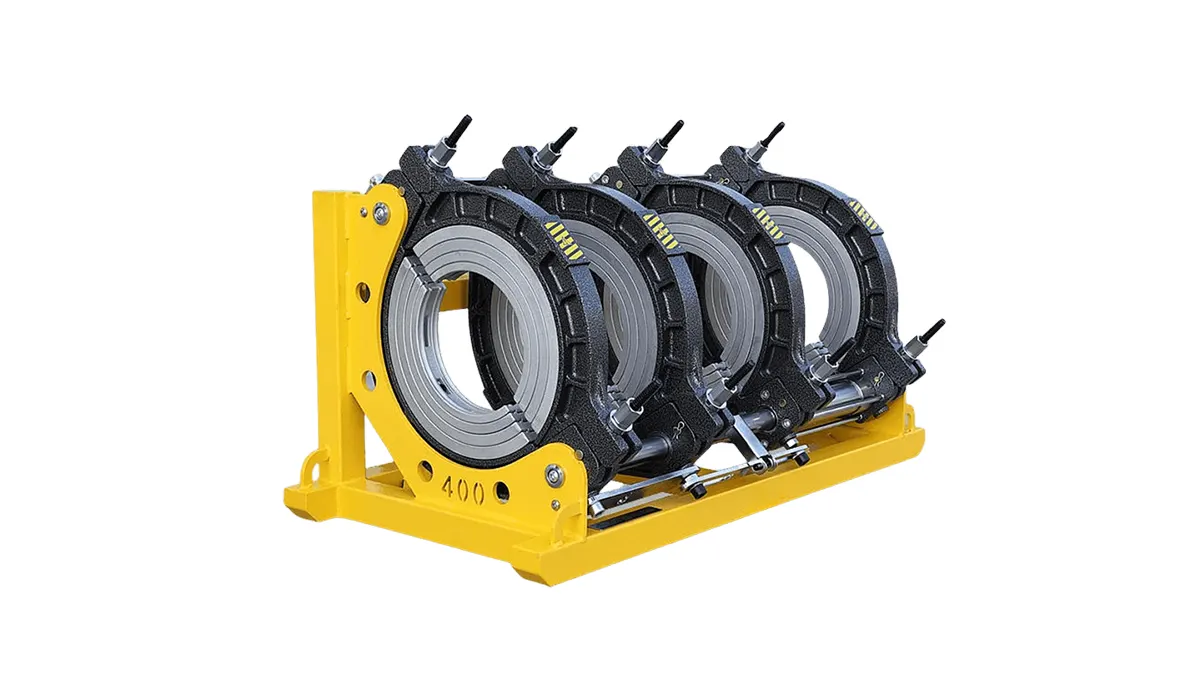
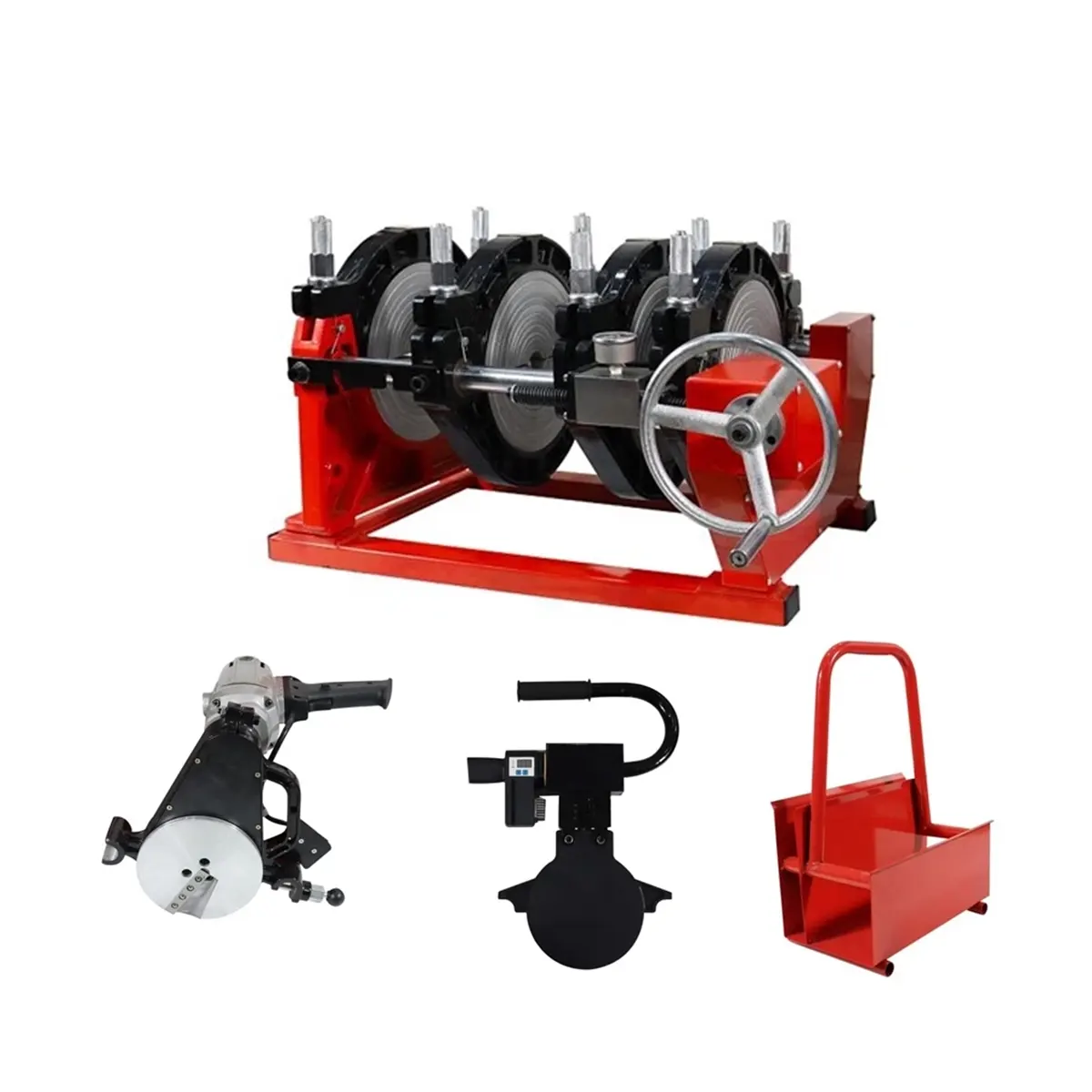
Manual butt fusion machines are affordable and ideal for small-diameter pipelines and teams operating in remote regions. Hydraulic butt fusion machines provide higher clamping force for medium to large diameters and consistent weld quality during repetitive joints. Automatic/CNC butt fusion machines suit contractors building long-distance potable water or gas mains where precision and documentation are required. Electrofusion units are preferred for complex fittings, repair work, and connections in constrained locations.
Why Choose the Right Machine for Angola’s Conditions
Angola’s climate ranges from tropical coastal humidity to dry inland zones, and many projects are located far from major service centers. Machines selected for local deployment should be:
- Robust and corrosion-resistant to withstand coastal salt air and high humidity.
- Portable and easy to maintain for field repairs and limited onsite tooling.
- Simple to operate for locally trained operators—clear controls reduce rework and improve safety.
Quick Comparison Table: Machine Types & Use Cases
| Machine Type | Typical Pipe Range | Best For |
|---|---|---|
| Manual Butt Fusion | 20mm–400mm | Small jobs, remote crews, low budget |
| Hydraulic Butt Fusion | 63mm–2000mm | Medium to large mains, higher throughput |
| Automatic/CNC Butt Fusion | 63mm–1200mm+ | High-precision projects, documented welds |
| Electrofusion | 20mm–630mm fittings | Repairs, complex fittings, gas connections |
Practical Buying Tips for Angolan Buyers
Prioritize machines that come with clear technical documentation and training options. Consider local availability of spare parts and the possibility to import consumables—heating plates, jaws, and electrofusion fittings—without long delays. Choose vendors who can provide remote troubleshooting or on-site commissioning, so projects stay on schedule.
Onsite Best Practices for Longer Pipeline Life
Consistent joint preparation, clean heating plates, correct pressure application, and adherence to cooling times are key to preventing leaks. For Angola, where rainy seasons and heat can affect field conditions, store consumables in dry containers, use protective covers for equipment, and schedule sensitive welds during stable weather windows whenever possible.
Maintenance & Support Expectations
Regular calibration of heating elements, inspection of hydraulic systems, and replacement of worn clamping inserts will reduce downtime. A supplier that offers spare parts kits, operator training, and responsive after-sales support reduces total lifecycle costs and improves onsite productivity.
Partner for Reliable HDPE Welding Solutions
JQ-Fusion provides a complete range of HDPE fusion equipment suited for Angola’s water, gas, and industrial pipeline needs—combining durable design, customizable options, and global support to help contractors deliver safe, long-lasting pipelines.
For project planning, request machine specifications, recommended accessories, and a spare-parts list before purchase to ensure a smooth deployment and predictable maintenance costs.



